How to Make a Garden at Home in 3 Easy Steps
Starting a garden at home can feel overwhelming when you’re not sure where to begin or what supplies you need. You’re not alone—many people struggle to turn a patch of yard or a few containers into a thriving garden. With the right products and a few simple steps, you can make a garden at home with confidence.
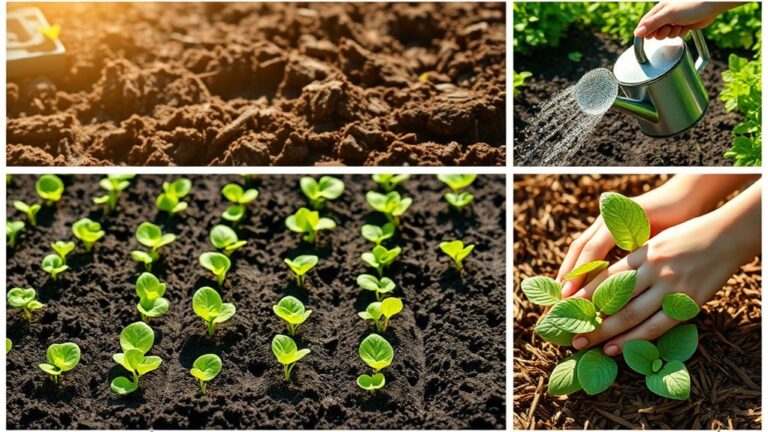
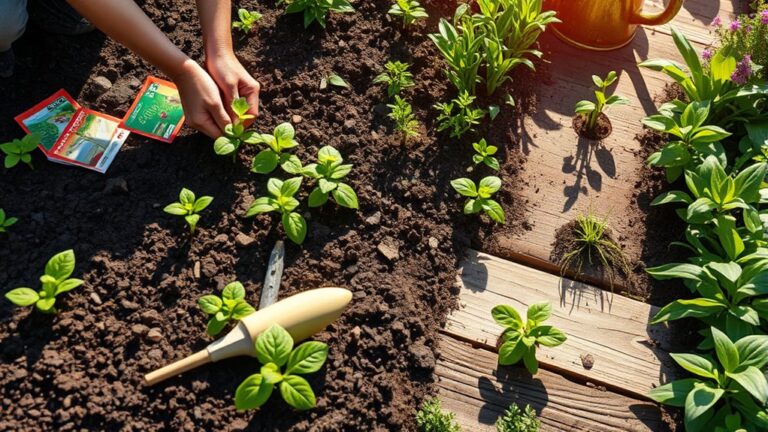
To make a garden at home in three easy steps, first choose a sunny, accessible spot and note how much light it gets throughout the day. Next, clear weeds and debris, loosen the top 8 to 12 inches of soil, and mix in finished compost.
Then plant seeds or seedlings at the depth and spacing on their labels. Water deeply when the top inch feels dry, and check regularly for weeds, pests, and disease. A few simple choices can help your garden thrive.
Key Takeaways
- Choose a sunny, accessible spot, checking light, drainage, nearby shade, and available space.
- Plan a simple layout around your preferred crops, local climate, available time, and budget.
- Clear the area, loosen the top 8–12 inches of soil, and mix in finished compost.
- Plant seeds or seedlings at the recommended depth and spacing, then label each variety.
- Water deeply when the top inch is dry, mulch to conserve moisture, and check regularly for weeds and pests.
Choose a Spot and Plan Your Home Garden
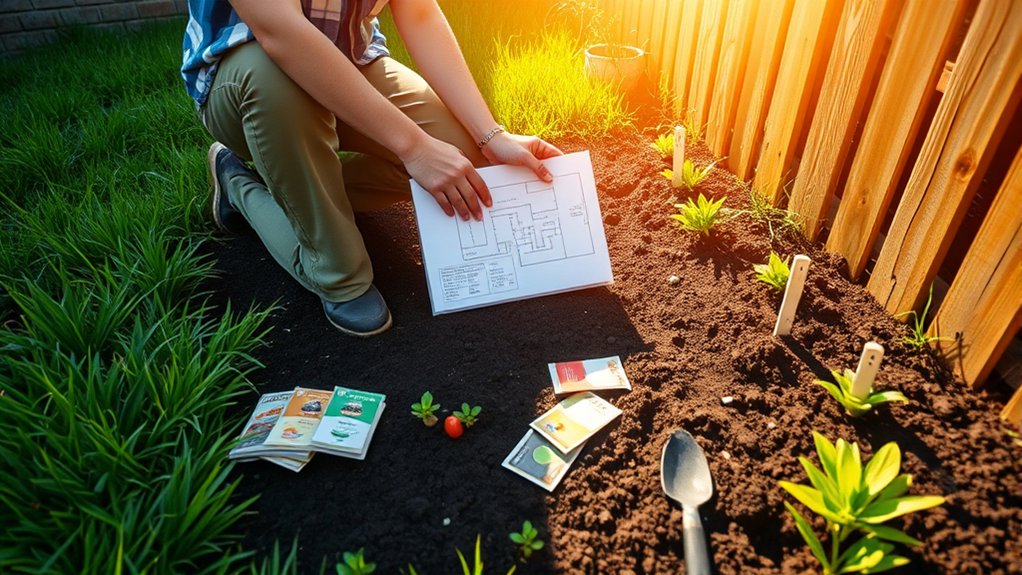
Before you plant, choose a spot that gets enough sunlight and is easy to reach for watering and care. Watch the area throughout the day to see how much direct light it receives. Most vegetables need several hours of sun, while leafy greens can tolerate partial shade. Check nearby trees, fences, and buildings for shade or competing roots.
Next, consider how you’ll use the space. Measure the area, note paths and access points, and choose containers or garden beds that fit comfortably. Keep your plan manageable; you can always expand later. Think about what you enjoy eating, how much time you can spend on upkeep, and which plants suit your local climate.
Before settling on a layout, review drainage and access to water. Soil testing can help you understand whether the location suits your goals. Set a realistic compost budgeting plan, too, so you can account for materials without overspending. Sketch your choices, then adjust them to match your space, schedule, and budget.
Prepare Soil and Plant Seeds or Seedlings
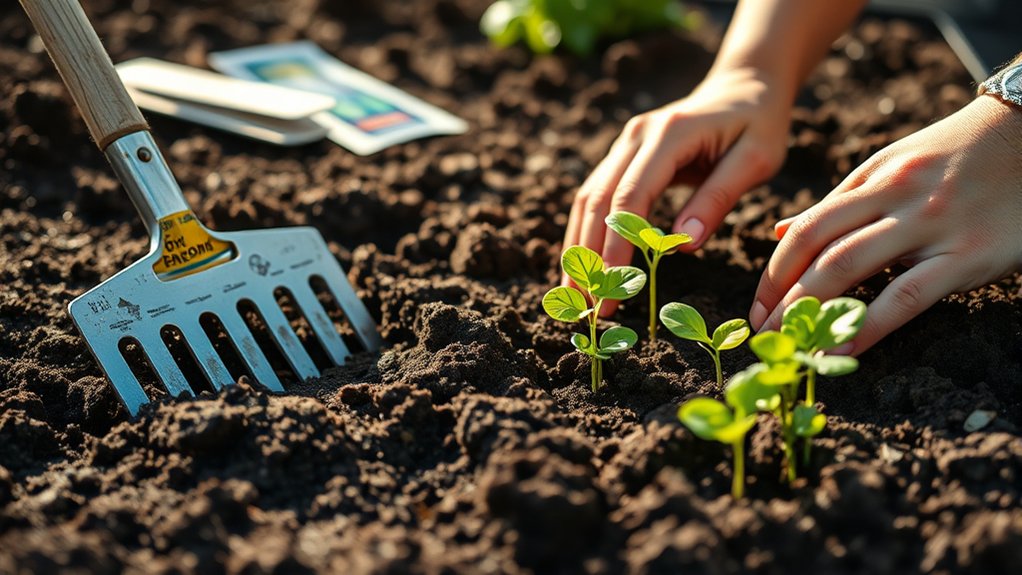
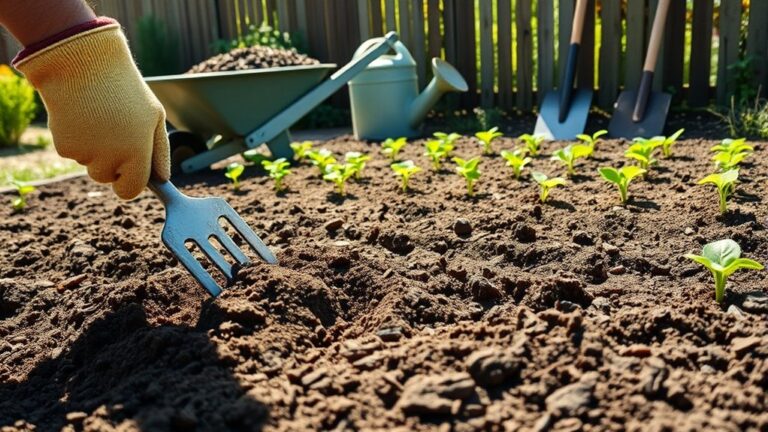
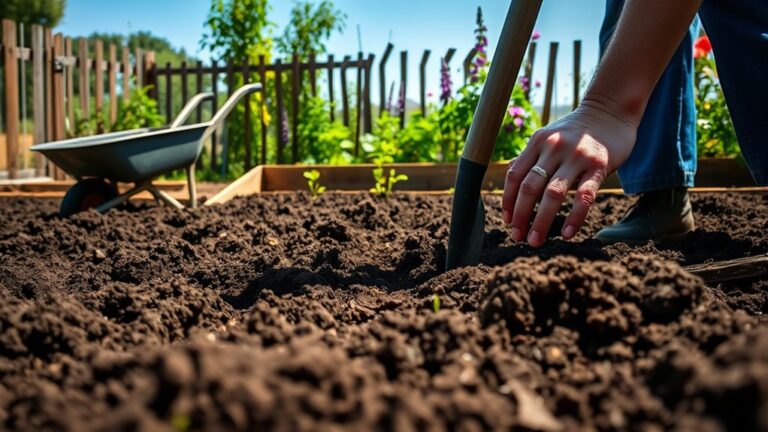
Once you’ve chosen your garden spot, prepare the soil so roots can grow and drain well. Remove weeds, rocks, and leftover plant debris. Loosen the top 8 to 12 inches with a garden fork, breaking up compacted clumps without turning the soil too finely. Mix in finished compost to add organic matter and improve soil structure. Check soil drainage by observing how quickly water moves through the ground; if it pools, blend in compost or choose a raised bed rather than adding sand.
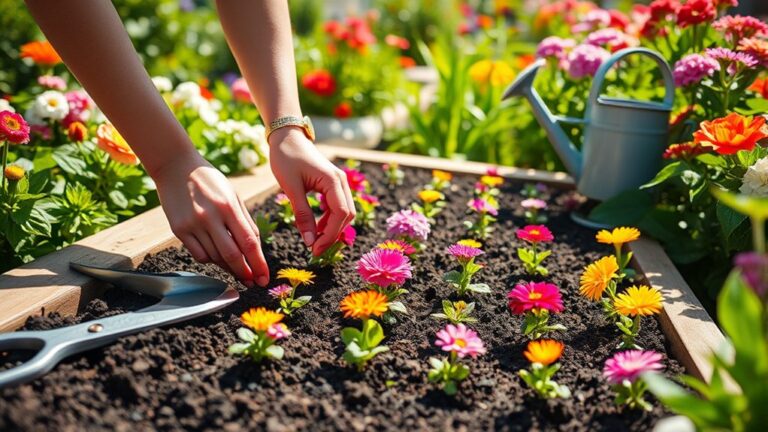
Read each seed packet or plant label before planting. It’ll tell you the right depth, spacing, and timing for your crops. Make shallow furrows or individual holes, then place seeds at the recommended depth and cover them lightly. For seedlings, loosen tangled roots gently, set each plant at the same depth it grew in its pot, and follow the listed seedling spacing. Firm soil around roots so plants stand upright, without packing it hard. Add labels to identify varieties as they emerge.
Water and Care for Your Garden as It Grows
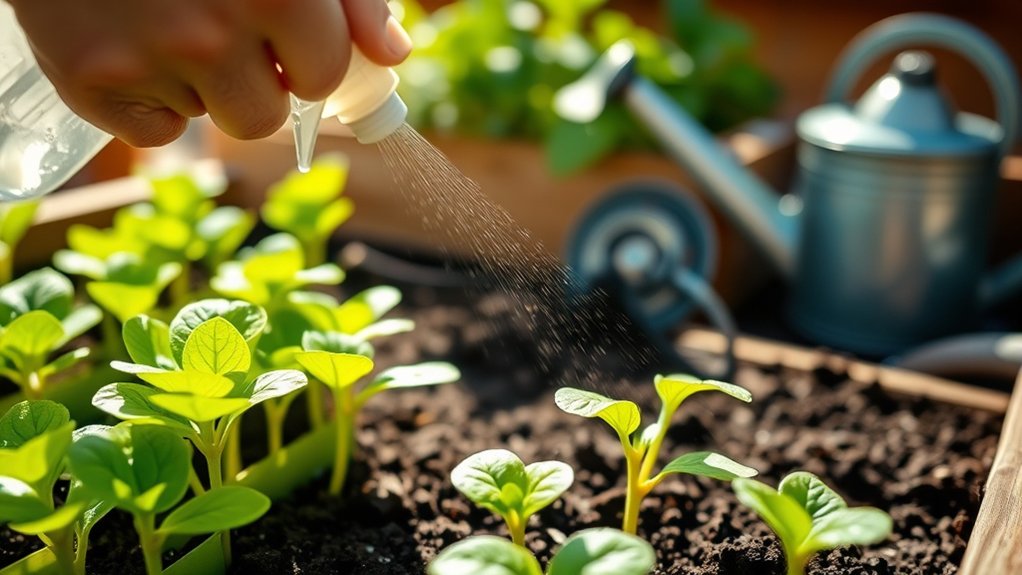
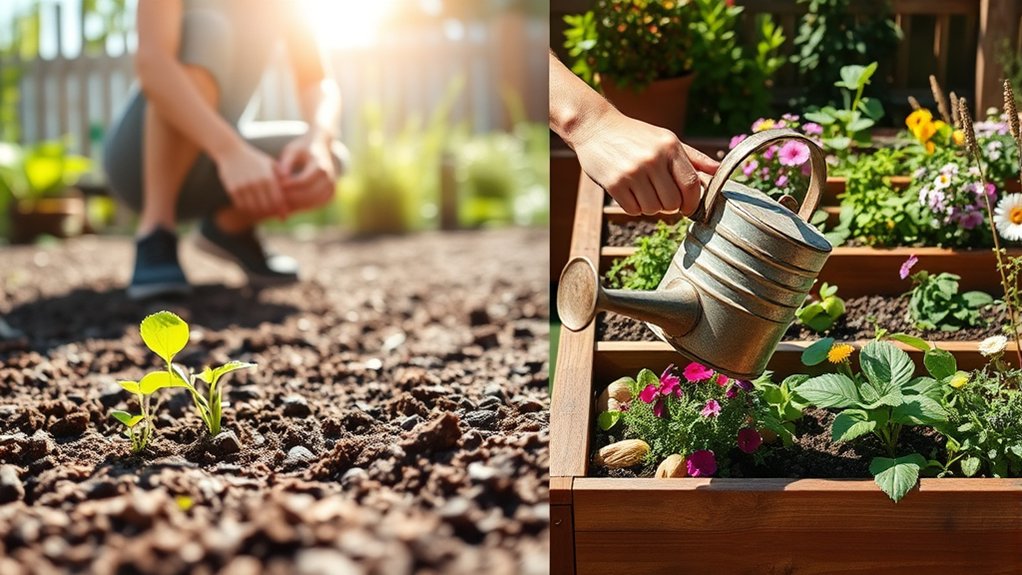
Water your garden deeply when the top inch of soil feels dry, adjusting for rain, heat, and soil type. Aim water at the soil near each plant’s base, not the leaves, to limit evaporation and reduce disease. Water in the morning, when cooler temperatures help moisture soak in. For water conservation, add mulch around plants, collect rainwater, and use a drip hose or watering can to deliver water efficiently.
Check your garden often as plants grow. Pull weeds before they compete with crops for water and nutrients, and loosen the soil gently around young plants. Look under leaves for insects, spots, or damage.
Good pest management starts with regular checks: remove pests by hand, prune affected leaves, and encourage helpful insects. Use barriers when needed, and choose the least harmful treatment that suits the problem.
Support tall plants with stakes, harvest produce when it’s ready, and adjust care as weather changes. Consistent attention helps your garden stay healthy and productive.
Frequently Asked Questions
Which Vegetables Are Easiest for Beginners to Grow?
You’ll find lettuce, radishes, green beans, zucchini, and cherry tomatoes among the easiest vegetables to grow. These easy vegetables sprout or produce quickly, so you can enjoy progress without much experience.
Choose beginner friendly crops that suit your climate and available sunlight. Keep the soil moist, give plants enough space, and check them regularly for pests.
Start with a few varieties, and you’ll learn what grows best in your garden.
What Gardening Tools Should I Buy First?
Buy a hand trowel, pruning shears, garden gloves, and a watering can or hose first. Dig with a trowel, trim with shears, protect your hands with gloves, and water with ease.
These starter tools form essential gear for beginners without crowding your shed or stretching your budget. Choose sturdy, comfortable beginner friendly garden equipment, and you’ll have a basic tool kit for newbies that handles planting, pruning, and daily care. Add tools only as your garden grows.
How Can I Garden in a Small Apartment?
You can garden in a small apartment by growing herbs, leafy greens, or compact tomatoes in pots near a sunny window. Choose small space containers with drainage holes, and use lightweight potting mix to keep them manageable.
If you have a balcony, check sunlight, wind, weight limits, and building rules to handle balcony growing challenges. Water when the soil feels dry, rotate pots for even light, and try vertical shelves to save floor space.
Are Homegrown Vegetables Safe for Pets?
Are homegrown vegetables safe for pets? Often, yes, if you choose suitable plants and keep harmful parts away. Carrots, green beans, and cucumbers can be safe in small, plain portions, but avoid toxic plants such as onions, garlic, and unripe tomatoes.
Wash produce thoroughly, and don’t let pets chew leaves or stems unless you’ve confirmed they’re safe. Use pet safe pesticides only as directed, and ask your veterinarian before introducing unfamiliar foods to your pet.
When Is the Best Time to Harvest Vegetables?
The best time to harvest vegetables is when each crop reaches its peak ripeness—just as you happen to check the garden. Pick leafy greens young and tender, harvest tomatoes when fully colored, and gather root vegetables when they reach their expected size.
Your harvest timing depends on the variety, weather, and taste, so check plants often. Though soil preparation and crop rotation support healthy growth, neither tells you exactly when vegetables are ready.
Conclusion
Your garden doesn’t need to be big or perfect to bring joy. Choose a sunny spot, prepare the soil, and plant seeds or seedlings you love.
Then water regularly and watch for signs your plants need care. Imagine picking your first ripe tomato and sharing it with a neighbor. It’s a small moment that can make your home feel warmer and more connected.
Start with one pot today, and you’ll give yourself something lovely to nurture and enjoy. Making a garden at home can be simple and rewarding.