How to Make a Border Garden in 3 Simple Steps
Creating a beautiful border garden can feel overwhelming when you’re unsure what to plant or where to begin—and you’re not alone. This roundup will help you explore practical options and make the process easier.
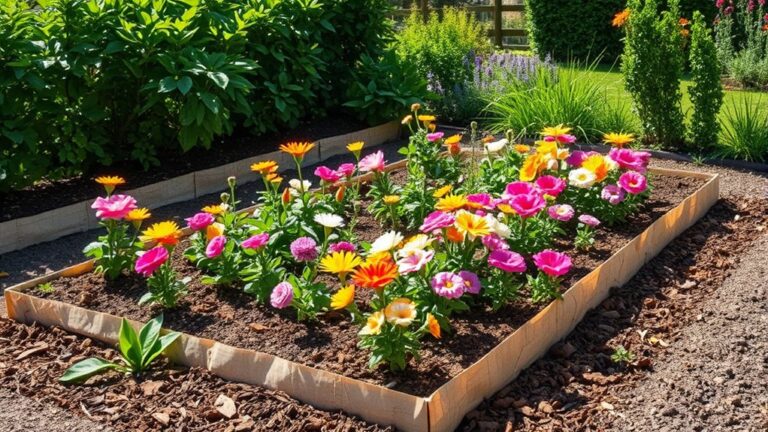
To make a border garden in three simple steps, first choose a suitable spot, measure it, and note its sunlight, soil, and preferred colors. Select plants with similar needs, check their mature sizes, and arrange taller varieties where they won’t block views.
Next, remove weeds, loosen soil about 12 inches deep, and add compost if needed. Finally, space plants according to their labels, set them at their original depth, water thoroughly, and mulch.
A few care tips can help your border thrive.
Key Takeaways
- Choose a border location, measure and sketch the bed, and note sunlight, climate, colors, and bloom times.
- Select plants with similar light and water needs; check soil conditions and plan for their mature sizes.
- Arrange pots, space plants by their mature spread, mark positions, and place taller varieties where they won’t block views.
- Clear weeds and debris, loosen soil about 12 inches deep, and add compost or amendments if needed.
- Plant at the same depth as in pots, water thoroughly, mulch away from stems, and monitor moisture.
Plan Your Border Garden and Choose Plants
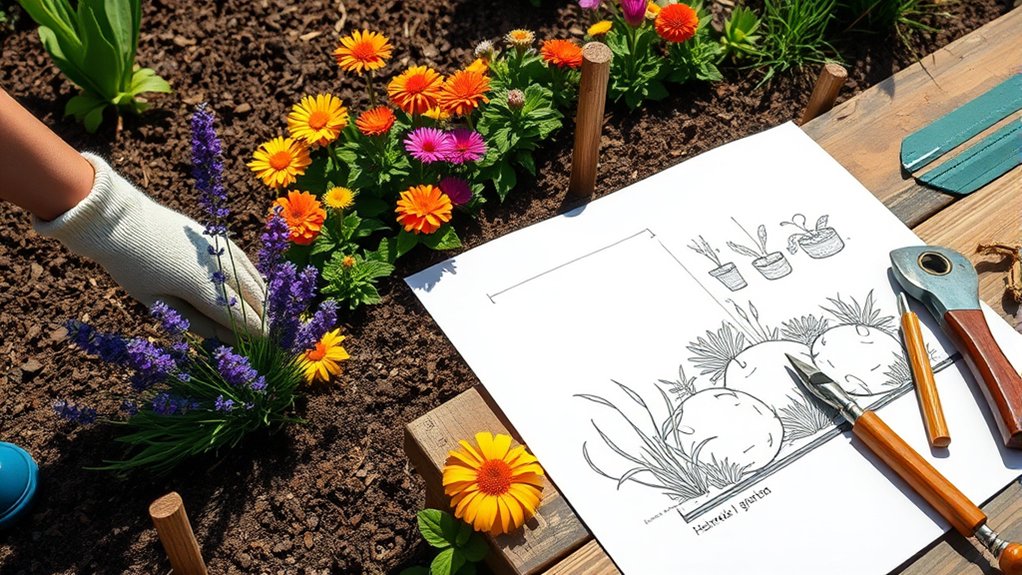
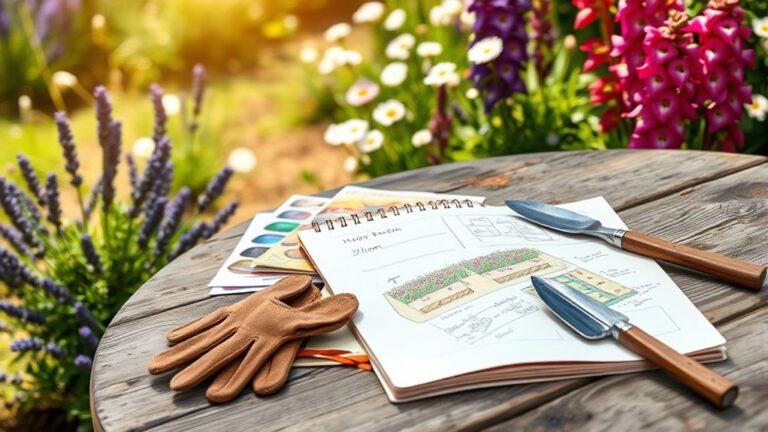
Start by choosing a border that suits your space, whether it follows a path, frames a patio, or lines a fence. Measure its length and width, then sketch the outline so you can estimate how many plants you’ll need. Check local planning rules before adding edging or choosing plants that could spread beyond your property.
For successful plant selection, note how much sun the border receives and consider your climate, preferred colors, and bloom times. Combine plants with different heights and seasons of interest, placing taller varieties where they won’t block views. Choose species with similar light and water needs to simplify care.
Review spacing considerations on plant labels, but plan for mature sizes rather than the small pots you buy. Leave enough room for each plant to grow and for you to reach it for maintenance. Check soil testing options through a local extension service to learn whether your chosen plants will thrive there. Use those results to guide your plant choices before preparing the site.
Prepare the Soil and Space Your Plants
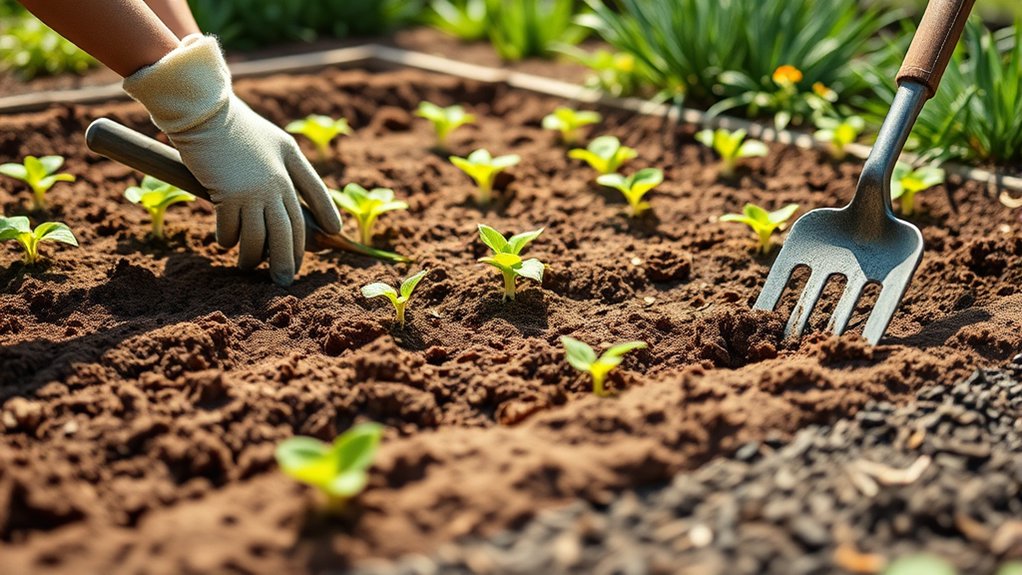
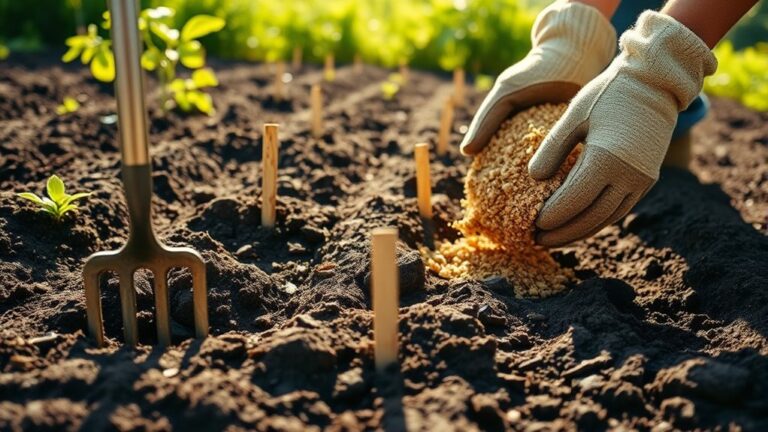
Once you’ve chosen your plants, prepare the border by removing weeds, grass, and debris. Loosen the soil to a depth of about 12 inches, then check drainage and texture.
Mix in compost or other soil amendments to improve structure and water retention, matching additions to your soil’s needs. Avoid overworking wet soil, which can compact it.
Before planting, arrange pots across the bed. Check plant compatibility, mature widths, sunlight needs, and heights so each plant has room and the layout looks balanced. Use this guide to estimate spacing:
| Plant size | Typical spacing | Placement |
|---|---|---|
| Small | 6–12 inches | Front edge |
| Medium | 12–24 inches | Middle |
| Large | 24–36 inches | Back |
| Spreading | 18–36 inches | Allow room |
| Tall | 18–30 inches | Rear focal point |
Measure between plant centers, not pot edges. Adjust for labels and local growing conditions, and leave enough root spacing to prevent crowding as plants mature. Mark positions before digging.
Plant and Care for Your Border Garden
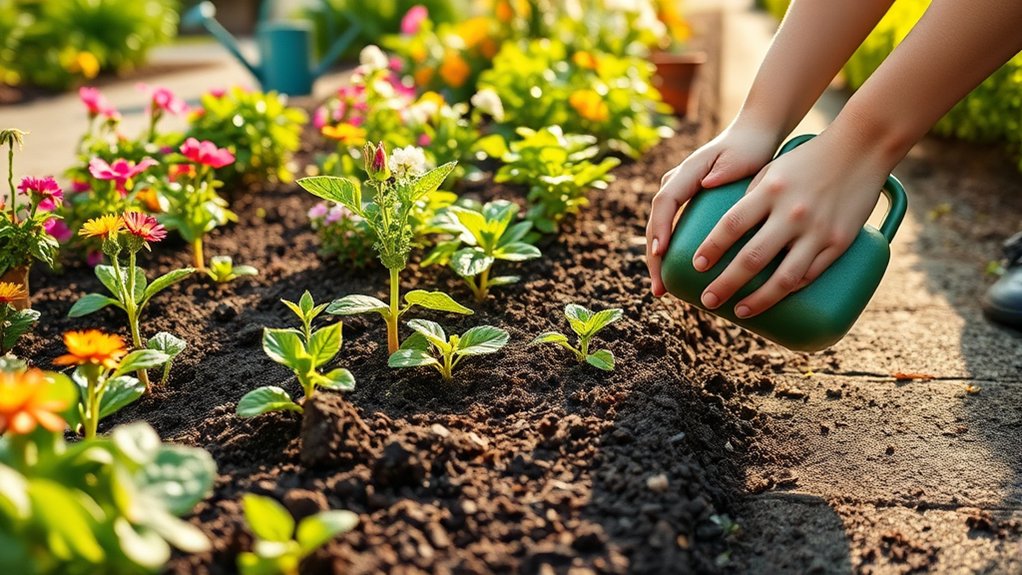
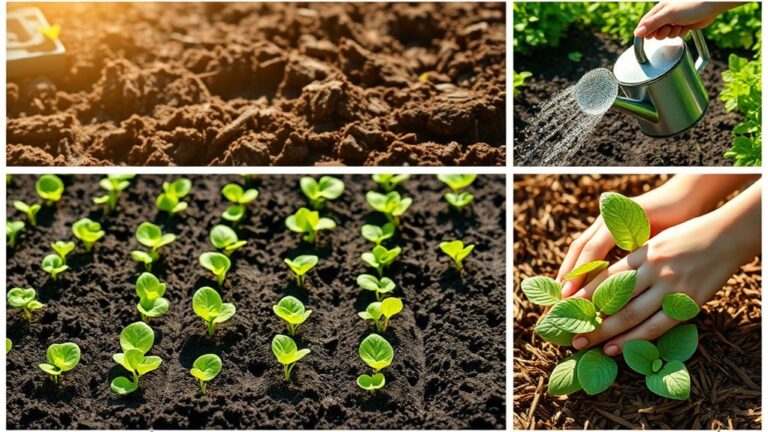
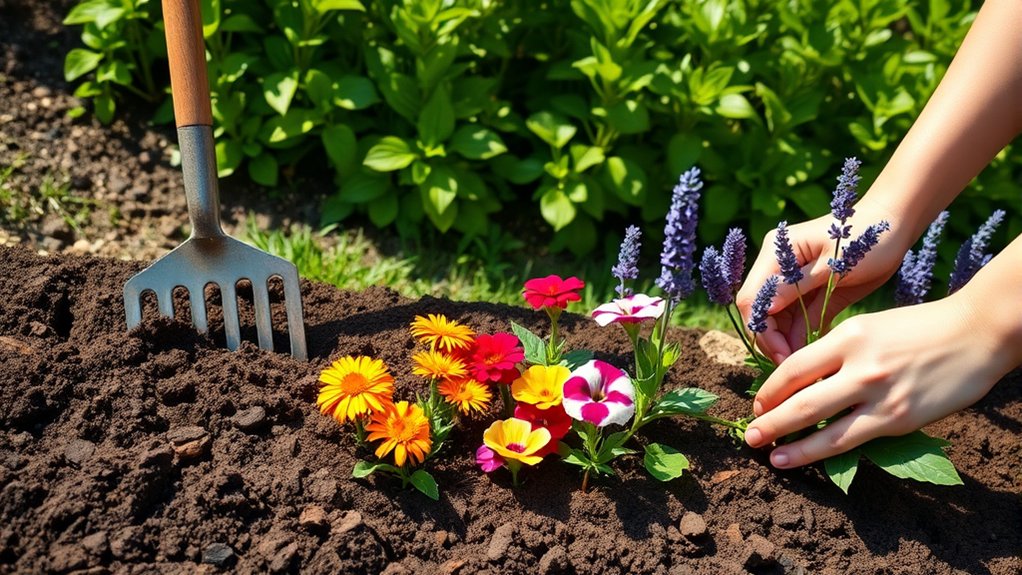
With your layout marked, plant each specimen at the same depth it grew in its pot, firm the soil gently around the roots, and water thoroughly to settle the bed. Add a layer of mulch, keeping it clear of stems, to hold moisture and discourage weeds.
Check the soil regularly; water when the top inch feels dry, especially during the first few weeks. Follow each plant’s needs rather than watering everything on a fixed schedule.
Remove faded flowers to encourage fresh growth, and trim damaged leaves with clean shears. If you sow annuals, choose a seed mix suited to your light and soil conditions.
- Watch new leaves unfurl, a small sign your garden is settling in.
- Note bloom timing so you can enjoy color from spring through fall.
- Pull weeds early, protecting the plants you’ve carefully chosen.
Feed lightly in spring if your soil needs it, and avoid overfertilizing, which can produce weak growth. As plants mature, divide crowded clumps to keep the border healthy and vibrant.
Frequently Asked Questions
How Wide Should a Border Garden Be?
Aim for a border width of 3 to 6 feet if you want room for layered planting and easy maintenance. You can make a narrow border about 2 feet wide, but choose compact plants and keep planting density moderate so they don’t crowd each other. For a larger garden, expand the border to 8 feet or more, especially if you’ll view it from both sides. Match the width to your space and reach.
Can I Create a Border Garden in Containers?
Yes, you can create a border garden in containers. Arrange pots in a line or gentle curve along an edge, varying their heights to create depth. Choose compact plants with similar sunlight and watering needs, and combine upright flowers with trailing varieties. These container planting ideas suit patios, paths, and balconies; a balcony border could work beautifully in a row of sturdy planters. Ensure each container has drainage, and water regularly, since pots dry out faster than garden beds.
How Do I Keep Pets Out of My Border Garden?
To keep pets out of your border garden, block, distract, and protect. Install a low fence, add chicken wire over fresh soil, and place large stones around vulnerable plants. For how to deter pets, give them a more appealing play area and reward them for staying there. Try motion-activated sprinklers, too. When selecting pet safe plants, check each variety’s toxicity before planting, and remove anything harmful your curious companions might chew.
What Garden Edging Materials Work Best?
The best Edging materials depend on your budget, style, and soil. Choose steel or aluminum for a slim, long-lasting edge; stone or brick for a sturdy, classic look; or plastic for an affordable, flexible option. For natural charm, use wood, but expect to replace it sooner.
Consider Material durability, installation effort, and maintenance before you decide. If you need to contain spreading plants, choose a deeper, firmly installed edge that won’t shift easily.
Can a Border Garden Increase My Home’s Curb Appeal?
Yes, a border garden can boost your home’s curb appeal. As the saying goes, first impressions last, and a tidy sweep of color along your walkway can make your entrance feel welcoming.
You’ll enjoy border garden benefits such as added texture, seasonal blooms, and a polished look that frames your home. Its curb appeal impact depends on choosing plants suited to your climate and keeping them healthy, trimmed, and free of weeds.
Conclusion
Your border garden is more than a row of plants; it’s a small kingdom you’ve planned, prepared, and brought to life. Choose each resident for its place and purpose, give roots welcoming soil and room to grow, then tend the borders with water and care.
Some plants will flourish quickly; others need patience. As you nurture this living edge, you’ll discover that a border garden, like any good community, thrives when every part has space, support, and time.