How to Grow a Garden in 3 Easy Steps
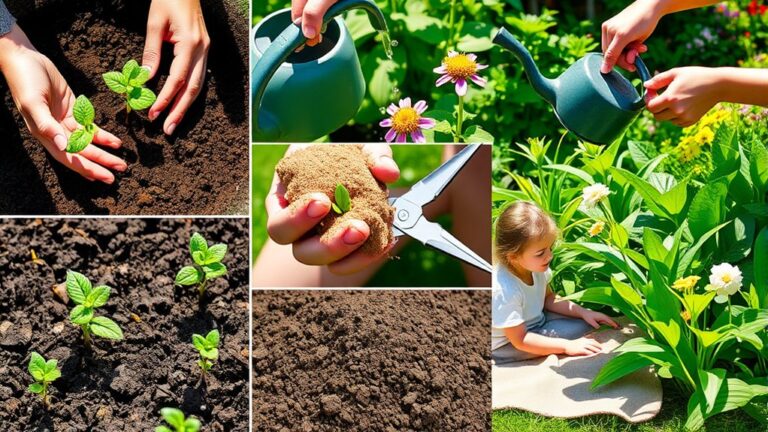
Starting a garden can feel overwhelming when you’re unsure what to plant, where to begin, or how to keep everything growing. You’re not alone—many people struggle to get started. This guide to how to grow a garden in 3 easy steps will help you get growing with confidence.
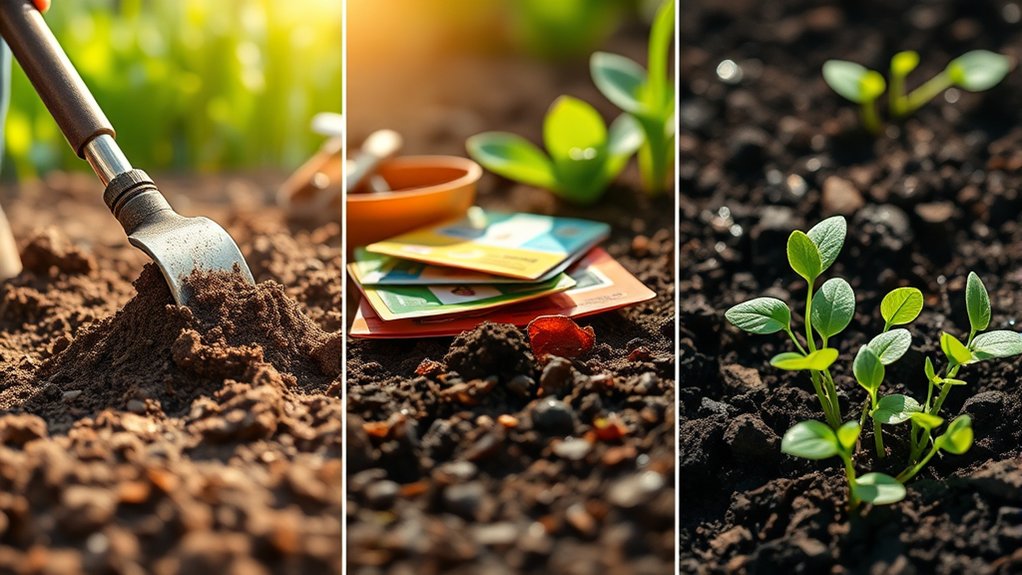
To grow a garden in three easy steps, first choose a sunny, sheltered spot and plants that suit your space, local season, and the foods you enjoy. Next, test and loosen the soil, remove weeds and debris, and mix in finished compost. Sketch a simple layout, then plant seeds or seedlings at the depth and spacing on their labels.
Finally, water deeply when the top inch of soil feels dry, control weeds, check for pests, and harvest ripe crops. Keep these tips handy as your garden grows.
Key Takeaways
- Choose the right plants and spot: Observe sunlight, space, and wind, then pick crops suited to your conditions, preferences, and growing season.
- Plan and prepare the bed: Sketch an accessible layout, remove weeds and debris, loosen compacted soil, and mix in finished compost.
- Plant with care: Follow seed-packet or plant-label instructions for planting depth and spacing, and group compatible crops where practical.
- Water and maintain: Check the top inch of soil, water when dry, control weeds, and inspect plants regularly for pests.
- Harvest and learn: Pick crops when ripe, use clean scissors, and note what thrived to guide your next planting.
Choose Where and What to Grow in Your Garden
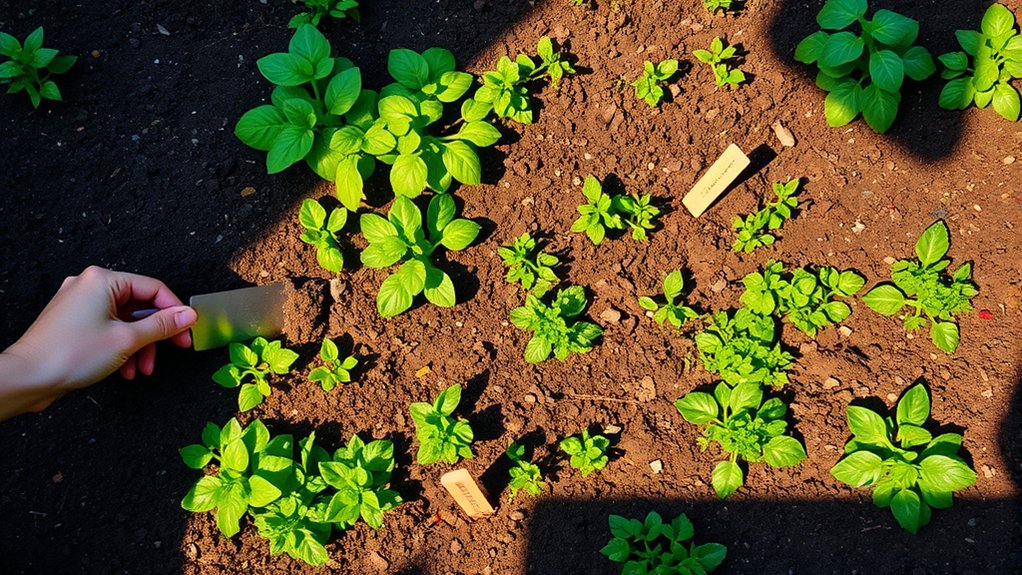
Where you plant and what you grow can make the difference between a thriving garden and a frustrating one. Start by watching your yard throughout the day. Notice where sunlight falls, how much space you have, and which areas stay sheltered from strong wind. Match your choices to those conditions rather than trying to force plants into an unsuitable spot.
Think about what you enjoy eating, how much time you can spend tending plants, and your local growing season. For smart seed selection, check each packet’s light and climate requirements, and choose varieties suited to your experience and available space. Compact tomatoes or herbs may fit a small patio, while sprawling squash needs room to spread.
You can also plan for companion planting by grouping compatible crops, such as tomatoes and basil, to make efficient use of space. Sketch a simple layout before you begin, leaving room to reach each plant. A thoughtful plan helps you grow crops you’ll actually enjoy.
Improve the Soil and Plant Your Garden
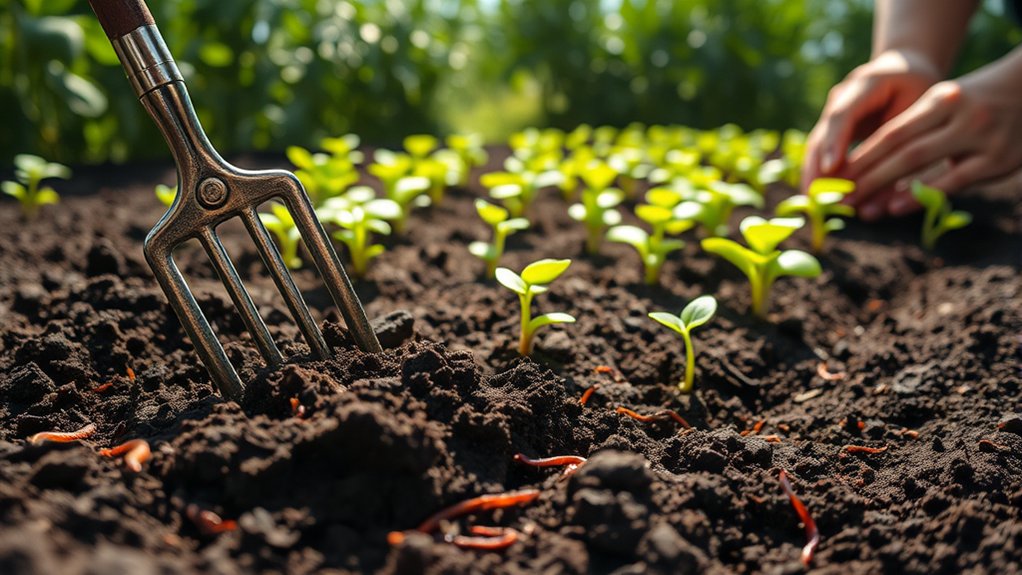
Prepare the soil before planting so roots can take hold and plants can access nutrients. Start with soil testing to learn whether your garden needs adjustments to its pH or nutrient levels.
Follow the test’s recommendations, and loosen compacted ground with a garden fork so roots can spread. Remove weeds, rocks, and old plant debris that could compete with your crops.
Improve the bed with finished compost. These composting tips can help: mix in mature, crumbly compost, and avoid fresh manure, which may damage plants.
Rake the surface level, then check seed packets or plant labels for spacing and depth. Dig holes or shallow furrows, set seedlings at the recommended depth, and cover seeds gently with soil. Press lightly to secure good contact without packing the ground.
Plan pest management as you plant by leaving enough space to inspect leaves and choosing compatible neighbors. Apply mulching strategies, such as a thin layer of straw, after planting to limit weeds and protect exposed soil.
Water, Maintain, and Harvest Your Garden
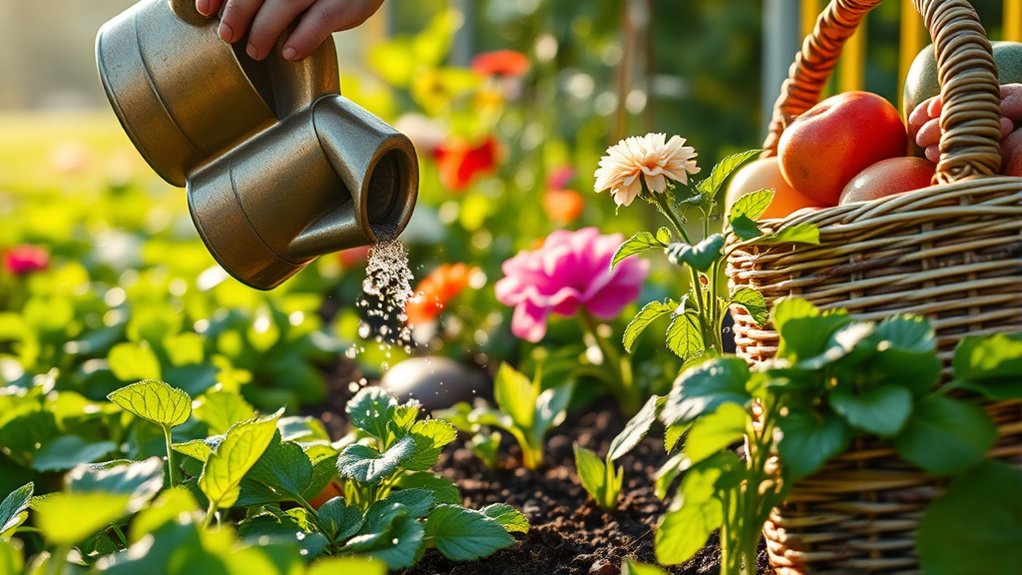
Once your garden is planted, water it deeply enough to reach the roots, adjusting how often you water for rainfall, soil, and weather. Good water management helps plants grow strong without leaving roots soggy. Check the soil with your finger; if the top inch feels dry, water slowly at the base.
| Garden task | What you should do |
|---|---|
| Watering | Soak soil when the surface dries |
| Pest prevention | Inspect leaves and remove pests |
| Harvest timing | Pick produce when ripe |
Keep weeds from stealing moisture and nutrients. For pest prevention, inspect leaves regularly and use barriers or hand-pick insects before damage spreads. Support tall plants and remove dead foliage to improve airflow.
As fruit and vegetables mature, check them often; harvest timing matters because many crops taste best when picked promptly. Use clean scissors to avoid damaging stems, and gather leafy greens from the outside first.
If you want a continuous supply, plan seed starting for another round of quick-growing crops as space opens. Record what thrives, then adjust your routine next season.
Frequently Asked Questions
Do I Need a Permit to Start a Garden at Home?
Usually, you don’t need a permit to start a garden at home, especially when you grow plants in existing beds on your property. However, local rules can vary, and private property law doesn’t override zoning, water-use, or homeowners’ association restrictions.
Check with your city or county before building a greenhouse, installing irrigation, removing protected trees, or selling produce. If you rent, get your landlord’s permission before changing the yard or adding structures.
How Can I Keep Pets From Damaging My Garden?
Keep pets out of your garden with sturdy fencing solutions, such as a low mesh fence or decorative border. Secure gaps and add a gate you can close. You can also protect delicate plants with raised beds, cloches, or individual guards.
Use randomized pest control only for garden pests, not to deter pets; choose pet-safe products and follow label directions. Give your pet a designated play area, and reward them for staying there.
Are Raised Garden Beds Accessible for People With Mobility Challenges?
Yes, raised beds can improve mobility access when you design them around your needs. The CDC reports that about one in four U.S. adults has a disability, highlighting why inclusive garden design matters.
Choose a bed height that lets you garden while seated, keep paths firm and wide enough for your mobility device, and leave room to turn. Add reachable tools, seating, and smooth transitions so you can garden comfortably and safely.
Can I Garden Indoors Without Access to Natural Sunlight?
Yes, you can garden indoors without natural sunlight by using grow lights. Choose full-spectrum indoor lighting designed for plants, and position the fixtures according to the manufacturer’s guidance. Keep lights on for about 12 to 16 hours daily, adjusting the schedule to suit each plant’s needs.
Start with easy options like herbs or leafy greens, and monitor growth. If stems stretch or leaves fade, increase light intensity or move the fixtures closer.
How Can I Make My Garden More Welcoming to Pollinators?
You can welcome more pollinators by planting pollinator friendly flowers that bloom from early spring through fall. Choose native varieties, and group each type in clusters so bees and butterflies can find them easily.
Add habitat diversification with shrubs, grasses, and plants of different heights. Leave a small patch of bare soil for ground-nesting bees, provide shallow water with stones, and skip pesticides.
Let some stems and leaves remain through winter for shelter.
Conclusion
Growing a garden takes three easy steps: choose a sunny spot and suitable plants, improve your soil, then plant, water, and maintain your garden. Keep an eye out for pests, pull weeds, and harvest when your crops are ready.
You’ll put in a little effort, then enjoy fresh produce that tastes better than anything you bought at the store. Ironically, the “easy” part is stopping yourself from planting more once you see how well your garden grows. With these three easy steps, you’ll be well on your way to growing a garden of your own.