7 Steps to Make a Garden in Your Backyard
Starting a backyard garden can feel overwhelming when you’re unsure where to begin. You’re not alone—many people struggle to turn a patch of yard into a thriving, productive space. These seven steps to make a garden in your backyard can help you get started with confidence.
Choose a sunny, well-drained spot with easy hose access; select plants suited to your climate and space; map beds, paths, sunlight, and mature plant sizes; prepare the soil with compost as needed; plant seeds or seedlings according to frost dates and package directions; water, weed, and protect plants as they grow; then harvest at the right time, clear spent crops, and replant.
Keep notes to improve your garden next season. You’ll find useful details for each step ahead.
Key Takeaways
- Choose a sunny, well-drained spot with convenient access to water and garden tools.
- Check your climate, frost dates, and local conditions to select suitable plants.
- Sketch garden zones, paths, sunlight, and water sources; space plants for mature growth.
- Plant at the right time, following seed-packet instructions and labeling each row.
- Harvest regularly, clear spent plants, add compost as needed, and keep notes for next season.
Choose a Sunny Spot for Your Backyard Garden
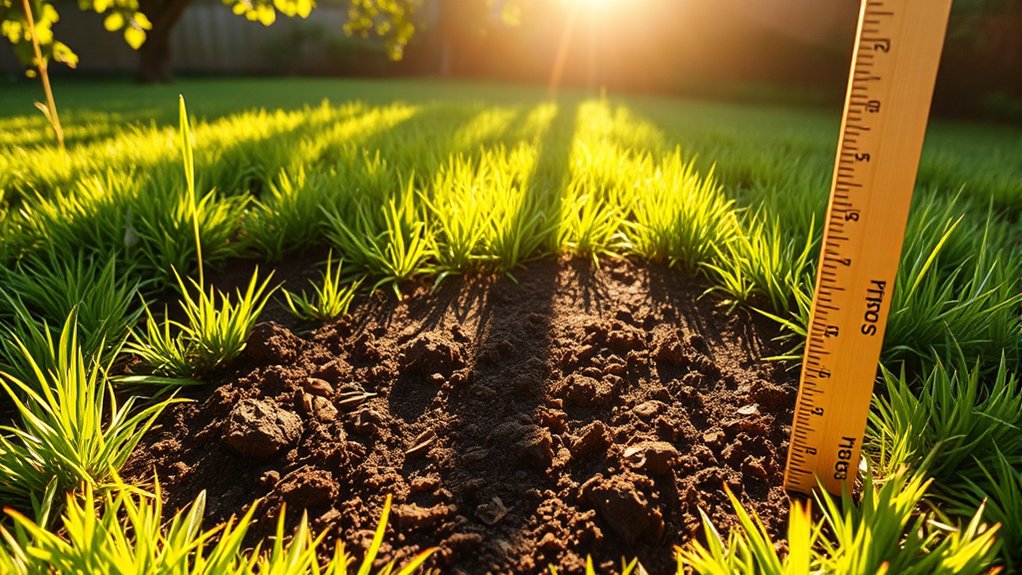
Where does your backyard get the most sun? Watch your yard at different times of day before choosing a location. Morning light can feel gentler, while afternoon sun may be stronger and hotter. Note how long each area stays bright, and look for a spot that gets consistent sunlight without making garden care inconvenient.
Consider sunny spot considerations such as nearby trees, fences, buildings, and walls. These features can cast shadows that shift as the sun moves, so check the ground in the morning, midday, and late afternoon. Pay attention to garden shade dynamics throughout the seasons, too: a deciduous tree may leave a patch sunny in spring but shaded once its leaves fill in.
Choose a place you can reach easily with a hose and garden tools. Avoid low areas where water collects after rain, and leave enough room to move around the garden comfortably. A few days of observation can help you select a practical, well-lit spot for your backyard garden.
Pick Plants That Fit Your Space and Climate
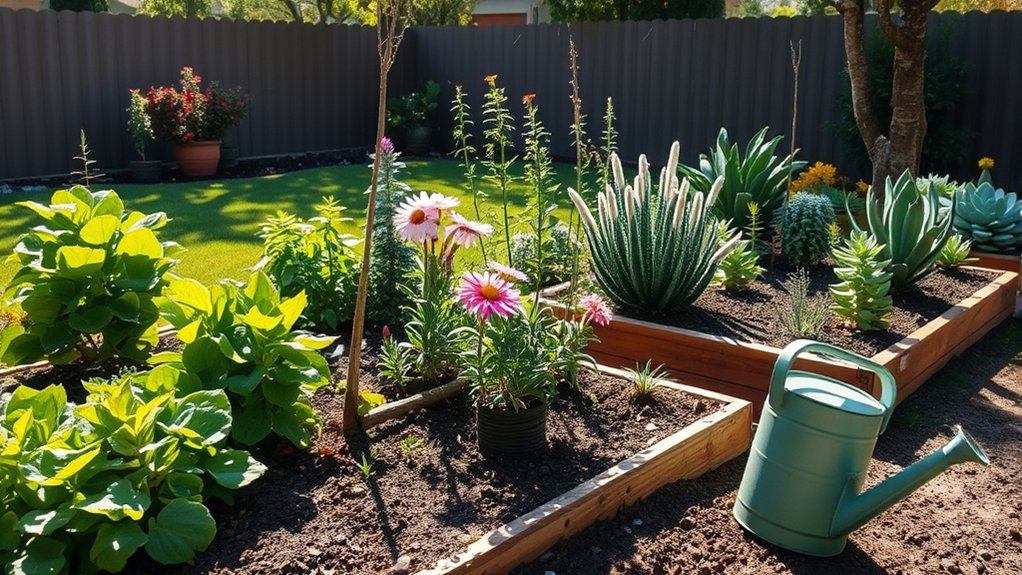
Once you’ve chosen a sunny spot, pick plants that suit your local climate and the space you have. Check your region’s hardiness zone and typical first and last frost dates. These details help you choose plants that can thrive through the seasons rather than struggle with temperature swings.
Selecting native varieties gives you plants adapted to local soil, rainfall, and wildlife. They often need less water and care once established, and they can support pollinators and other beneficial creatures. If you prefer vegetables or flowers from elsewhere, check their growing requirements and choose varieties suited to your conditions.
Pay attention to matching microclimates in your yard. A sheltered corner may stay warmer, while an exposed area can face stronger winds or colder nights. Notice how sunlight, shade, and moisture vary across your available space, then choose plants that tolerate those conditions. If your space is limited, consider compact varieties or plants that grow well in containers. Read labels carefully, and choose only what you can realistically maintain.
Plan Your Garden Layout and Plant Spacing
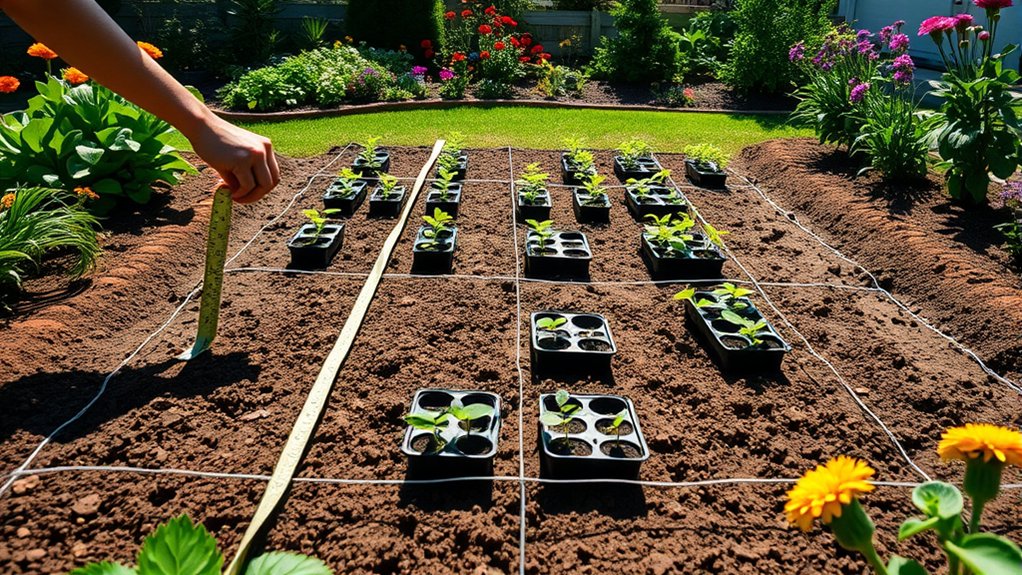
Divide your garden into zones for vegetables, herbs, and flowers, taking sunlight and water access into account. Then check how much space each plant needs so it can grow well and get plenty of airflow. With a clear layout, you’ll make the most of your space and find it easier to care for your plants.
Map Garden Zones
A well-planned layout helps every plant get the space, sunlight, and care it needs. To map garden zones, first observe your yard throughout the day. Note where sunlight falls, where shade lingers, and which areas stay damp or dry.
Mark these conditions on a simple sketch, along with fences, trees, paths, and water sources. Your zones planning should also account for wind exposure, slopes, and access to a hose. Group areas with similar conditions so you can choose plants that suit each spot.
Consider how you’ll move through the garden and reach each zone for routine care. Check your sketch after rain and during different seasons; conditions can shift as trees leaf out or shadows lengthen.
A clear zone map gives you a practical guide for choosing suitable plants and organizing your backyard.
Space Plants Properly
With your garden zones mapped, plan how much room each plant needs before you start planting. Check seed packets or plant labels for mature height and width, then mark those distances on your layout.
Give sprawling crops, such as squash, extra room, and place tall plants where they won’t shade sun-loving neighbors. Arrange rows or beds so you can reach every plant without stepping on the soil.
For better space efficiency, grow compact varieties or use trellises for climbing beans and cucumbers. Try companion planting by pairing compatible crops, such as tomatoes and basil, while keeping plants with competing needs apart.
Leave enough space for airflow and growth; crowded plants can invite disease and reduce harvests. You can adjust your plan before planting if any bed feels too full.
Get Your Soil Ready to Plant
Healthy soil gives your garden a strong start. Begin with soil testing to learn your soil’s pH and nutrient levels. A home kit offers a quick overview, while a local extension service can provide more detailed results and tailored advice.
Use those findings to choose amendments rather than guessing.
Clear away weeds, stones, and leftover roots from the bed. Loosen the soil with a garden fork or broadfork, working about 8 to 12 inches deep.
Don’t dig when the ground is wet. Handling soggy soil can compact it and damage its structure.
Add a layer of finished compost to improve texture and support beneficial organisms. If you make your own, learn a little about compost chemistry: a balanced mix of greens and browns helps materials break down into a stable amendment.
Blend compost gently into the top few inches, then rake the surface smooth. Avoid overworking the bed, and follow test results when adding lime, fertilizer, or other amendments.
Your prepared soil will hold moisture, drain well, and give roots room to grow.
Plant Seeds or Seedlings at the Right Time
Once your soil is ready, choose a planting time that suits each crop. Check your seed packets for the last-frost date and days to maturity. Cool-season crops can go in early, while warm-season favorites need warmer soil and frost-free nights. Good seedling timing helps you avoid stunted growth and missed harvests.
| Crop | Best planting window | Starting tip |
|---|---|---|
| Lettuce | Early spring or fall | Sow seeds outdoors |
| Peas | Early spring | Plant when soil is workable |
| Tomatoes | After the last frost | Transplant sturdy seedlings |
| Beans | Warm, frost-free weather | Sow directly outdoors |
You can start tomatoes indoors several weeks before your area’s last frost, then move seedlings outside when conditions suit them. Harden them off first by gradually exposing them to outdoor temperatures.
For direct sowing, follow packet depth and spacing. Try simple germination tricks, such as soaking large seeds overnight or keeping trays warm, when the packet recommends them. Use your local frost dates as a guide, but adjust for your garden’s conditions. Label each row with the crop and planting date so you can track what you’ve planted.
Water, Weed, and Protect Your Garden
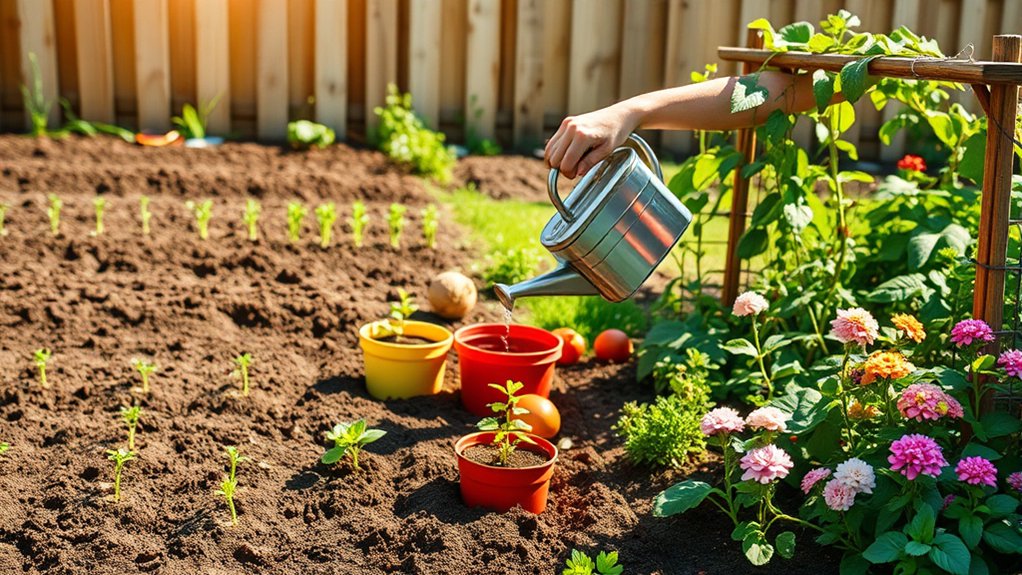
Water deeply when the top inch of soil feels dry, aiming the flow at the base of each plant to limit evaporation and wet leaves. You’ll encourage strong roots by watering less often but thoroughly.
Check soil moisture before you water, since rain may have done the job. Add mulch around plants to slow evaporation, suppress weeds, and support water conservation. Use a soaker hose or drip line to deliver water efficiently, especially during hot, dry spells.
Practice weed management by pulling unwanted plants while they’re small, loosening their roots with a hand tool. Work carefully near seedlings so you don’t disturb their roots.
Remove weeds before they set seed, and clear garden debris that could shelter pests. Inspect leaves and stems regularly for insects, disease, or damage.
Pick off pests by hand, prune affected growth, and use a barrier or netting when needed. Choose the least disruptive control that protects beneficial insects, and follow product labels if you use any treatment.
Keep paths clear, and check your garden often so you can respond before small problems spread.
Harvest at the Right Time and Replant
With regular care keeping plants productive, harvest each crop when it reaches its ideal size, color, or ripeness. Check seed packets or plant labels for guidance, and use your senses to judge freshness.
Pick leafy greens while they’re tender, gather beans before their pods turn tough, and harvest tomatoes when they’re fully colored but still firm. Good harvest timing improves flavor and encourages some plants to produce more.
Use clean scissors or pruners to avoid damaging stems, and harvest in the cool morning when possible.
After gathering a crop, clear away spent plants and inspect the soil. Add compost if the bed needs nutrients, then plan replanting strategies around your local growing season.
Sow quick-growing lettuce or radishes between slower crops, or replace finished spring vegetables with heat-loving varieties. Rotate plant families to reduce pest and disease buildup, and leave enough space for mature growth.
Keep notes on planting dates and yields so you can adjust your schedule next season. Regular picking helps your garden stay productive.
Frequently Asked Questions
What Gardening Tools Should Beginners Buy First?
Start with a hand trowel, pruning shears, sturdy gloves, a watering can or hose, and a digging fork or spade suited to your space. These buying basics cover planting, trimming, watering, and turning soil without filling your shed with gear.
For tool comparisons, check comfortable handles, durable materials, and easy cleaning before you choose. You don’t need expensive brands; pick reliable tools that fit your hands and the jobs you’ll do most.
How Can I Keep Rabbits and Deer Out of My Garden?
You can protect your garden with sturdy rabbit barriers and layered deer deterrents. Deer can jump fences about eight feet high, so choose a tall barrier or use two shorter fences spaced several feet apart.
Bury rabbit fencing six inches underground to block digging, and leave the mesh openings small. You can also spray scent repellents, install motion-activated sprinklers, and remove fallen fruit. Rotate deterrents regularly so hungry visitors don’t get used to them.
Is Container Gardening a Good Option for a Backyard?
Yes, container gardening is a good option for a backyard, especially when you have limited space, poor soil, or want flexible planting arrangements. For backyard suitability, consider how much sunlight your spot gets, whether you can reach a water source, and how many containers you can maintain. Choose pots with drainage holes and match their size to your plants. You can grow herbs, vegetables, flowers, and even small fruit trees in containers.
How Can I Compost Kitchen Scraps at Home?
As the saying goes, waste not, want not: you can compost kitchen scraps at home by combining them with dry, brown materials. Choose a ventilated bin, then add fruit and vegetable peels, coffee grounds, and eggshells alongside leaves or shredded cardboard.
Keep the mix damp, not soggy, and turn it regularly for airflow. These composting basics help scraps break down, while kitchen scraps benefits include nutrient-rich compost for your plants. Skip meat, dairy, and oily foods.
What Should I Do With My Garden During Winter?
Prepare your garden for winter by clearing diseased plants, adding compost, and mulching beds to protect soil and roots. Use Plant protection strategies such as covering tender plants with frost cloth, wrapping vulnerable shrubs, and watering before hard freezes. Bring containers indoors or group them in a sheltered spot.
For Winter color ideas, plant hardy pansies, ornamental kale, or evergreen shrubs. Check your garden after storms, remove heavy snow from branches, and plan next season’s planting.
Conclusion
You’ve chosen a sunny spot, picked suitable plants, planned their spacing, prepared the soil, and planted at the right time. Now keep your garden thriving with steady watering, quick weeding, and simple protection from pests.
Watch for bright blooms and plump produce, then harvest at their peak and replant for another round. With patience and care, you’ll turn your backyard into a lively little landscape that feeds your table, lifts your spirits, and rewards you season after season. That’s how to make a garden in your backyard that keeps growing year after year.