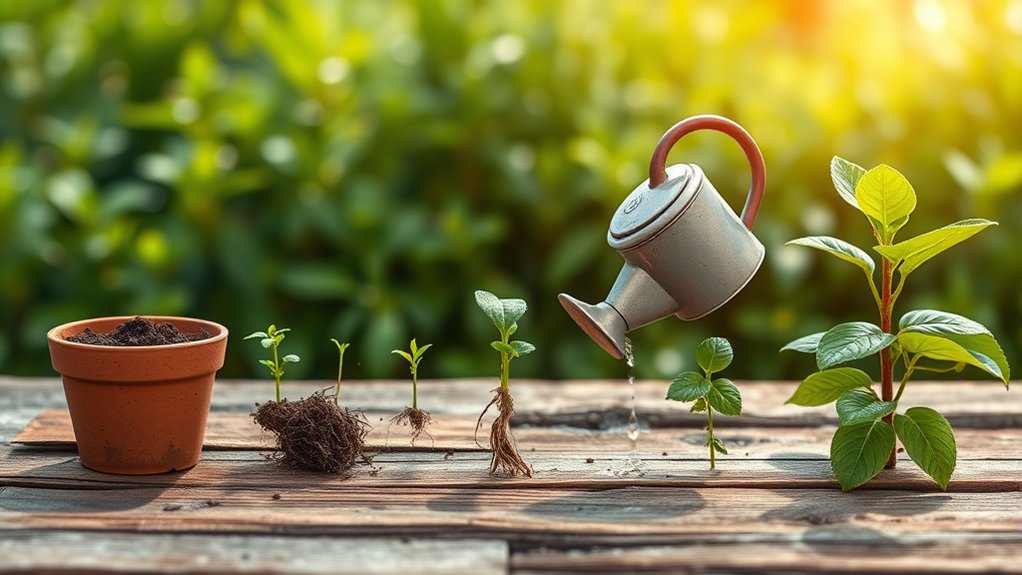
How Do You Grow Plants in 5 Easy Steps
Starting a garden can feel overwhelming when you’re unsure what to plant or how to keep it alive. You’re not alone—many people struggle to get started. This guide to how do you grow plants in 5 easy steps makes it simple to choose plants, give them the care they need, and help them thrive.
You can grow plants in five easy steps: choose a variety that suits your space, sunlight, and routine; gather fresh seeds, container potting mix, and a pot with drainage; plant seeds at the depth listed on the packet; provide bright light for 12–16 hours daily and water gently when the soil feels dry; then check weekly for healthy growth and pests. Adjust care gradually if problems appear, and uncover simple ways to keep your new plants thriving.
Key Takeaways
- Choose a plant suited to your space, sunlight, climate, and available room at maturity.
- Gather fresh seeds, container potting mix, and a correctly sized pot with drainage holes.
- Plant seeds at the depth listed on the packet, cover loosely, and label the pot.
- After sprouting, provide 12–16 hours of bright light daily and water gently when the soil begins to dry.
- Check plants weekly for healthy growth, adjust care as needed, and remove dead leaves or address pests promptly.
Choose a Plant That Fits Your Space and Light

Before choosing a plant, check how much space you have and how much sunlight it gets. Look at your windows, balcony, or yard throughout the day. Notice whether the spot receives direct sun, bright indirect light, or mostly shade. Choosing light carefully helps you select a plant that can thrive there instead of struggling.
Next, consider how much room you can offer. Picking space means accounting for a plant’s mature size, not just how small it looks at first. A compact herb may suit a narrow sill, while a spreading vine needs room to trail. If you’re choosing an outdoor plant, check its expected height and width so it won’t crowd walkways or nearby plants.
Match these conditions to a plant’s needs. Read labels or reliable care descriptions, and choose a variety suited to your climate and routine. If you’re new to gardening, start with a forgiving plant that tolerates occasional missed care. A good fit makes growing more enjoyable and gives your plant a stronger start.
Gather Seeds, Soil, and a Pot for Growing at Home
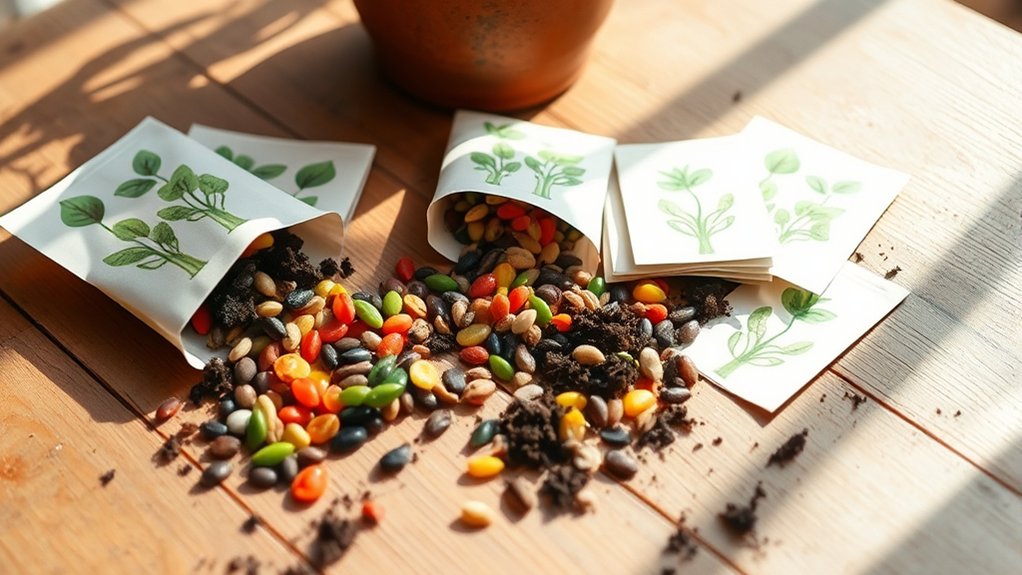
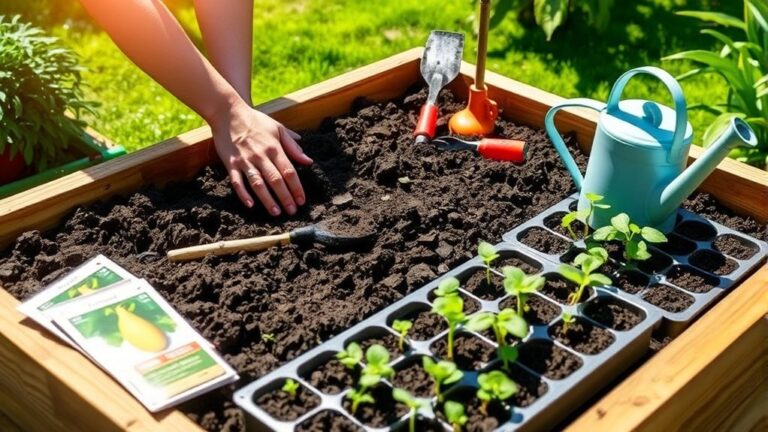
Once you’ve chosen a plant, gather the supplies it needs to get started. For seed sourcing, pick fresh seeds from a reputable garden center or trusted online seller. Check the packet for the plant variety and growing conditions, and choose seeds suited to your space.
Select clean, well-draining potting mix made for containers; garden soil can become too dense indoors. For pot sizing, match the container to your plant’s needs, and make sure it has drainage holes. A pot that’s too small can restrict roots, while an oversized one may hold excess moisture.
| Supply | What to look for |
|---|---|
| Seeds | Fresh, labeled, suitable variety |
| Potting mix | Light, clean, container-ready |
| Pot | Appropriate size for the plant |
| Drainage | Holes at the bottom |
| Tray | Catches water beneath the pot |
Gather everything before you begin, so you can set up a tidy growing area and keep supplies close at hand. You’ll avoid last-minute trips and choose items that work well together.
Plant Seeds at the Right Depth
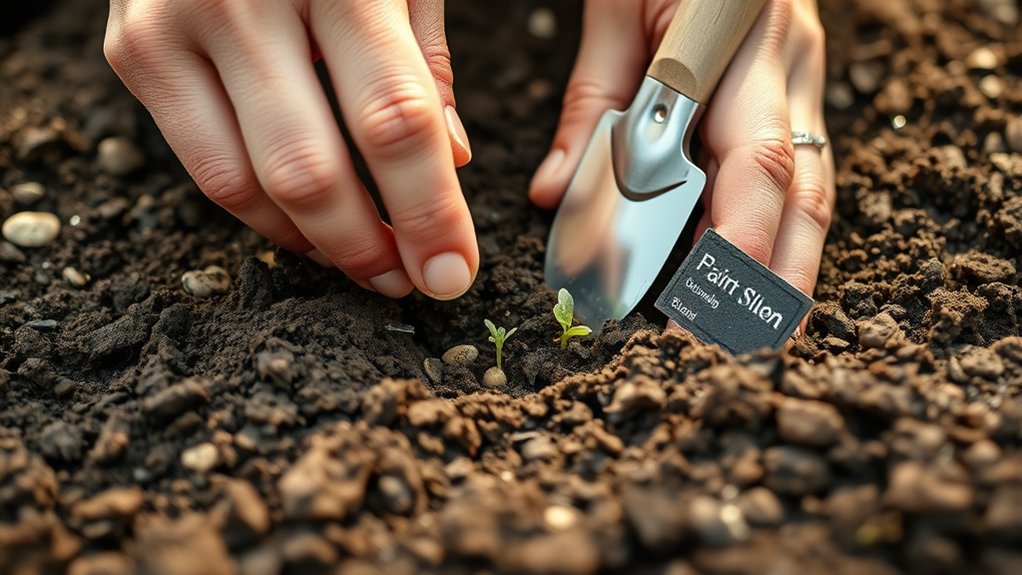
Plant seeds at the depth listed on the packet, since each variety needs the right amount of soil to sprout. Check the seed depth before you begin, because tiny seeds often need little or no covering, while larger seeds usually go deeper. If the packet gives a range, choose a depth that fits the seed’s size and your container.
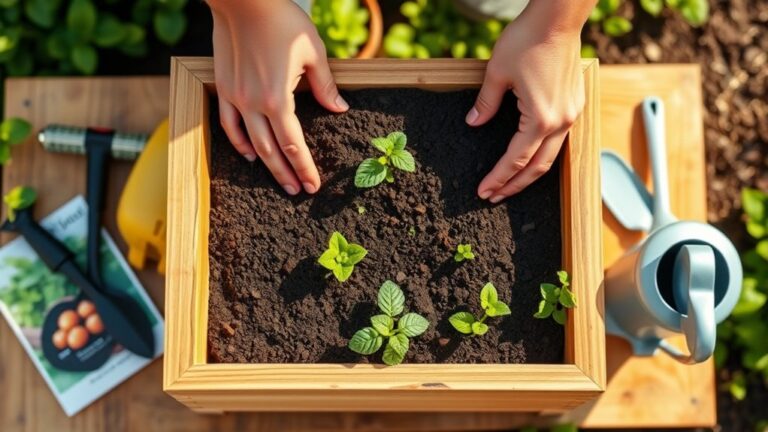
Make a small hole with your finger or a pencil, then drop in the seed. Cover it gently with loose soil, avoiding hard pressure that could compact the surface. For very small seeds, scatter them over the soil and press them lightly into place instead of burying them. Follow the packet’s spacing advice so seedlings won’t crowd each other as they emerge.
Label each pot with the plant name and planting date. This helps you track germination timing and identify seedlings later. Keep the packet nearby to check expected sprouting times, and don’t assume a seed has failed before its usual window passes. If you plant several varieties, record their depths, too.
Give Your Plant Enough Light and Water
How much light and water do seedlings need? Give your seeds steady care as soon as they sprout. Most seedlings need bright light for 12 to 16 hours each day. Place them near a sunny window or use a grow light, keeping it close enough to illuminate leaves without overheating them.
Set a timer to maintain a consistent light duration, and let seedlings have darkness overnight. Water gently so you don’t wash seeds or flatten young stems. Check the soil daily, but water only when its surface feels dry. Your watering schedule should match the soil and room conditions, not a rigid calendar.
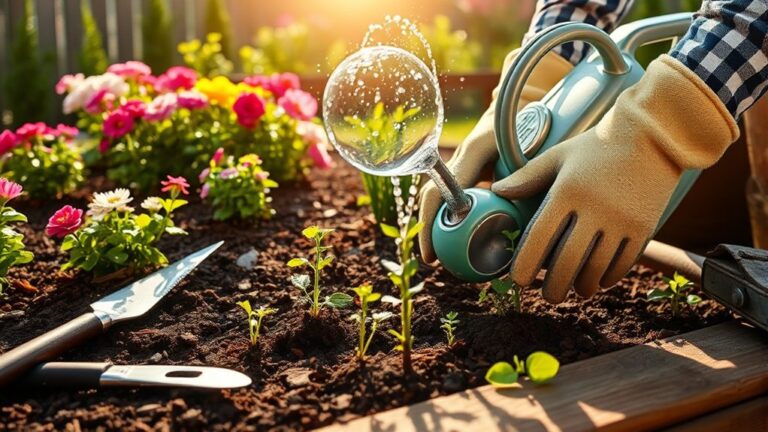
- Use a fine spray or a small watering can to moisten soil evenly.
- Water at the base when possible, keeping leaves dry.
- Make sure containers drain freely; roots need air as well as moisture.
Aim for soil that stays lightly moist, never soggy. With balanced light and careful watering, you’ll give seedlings the conditions they need to establish strong roots and grow steadily.
Check Growth and Fix Common Plant Problems
With steady light and water in place, check your seedlings regularly for new leaves, sturdy stems, and healthy color. A quick weekly check helps you check growth and spot changes before they become serious. Compare leaves and stems over time, and note how quickly each plant grows.
A weekly check of your seedlings helps track growth and catch changes before they become serious.
If growth stalls, review its light, watering, temperature, and pot size. Make one adjustment at a time so you can see what helps.
Yellow leaves may signal overwatering, poor drainage, or too little light. Feel the soil before watering; if it’s still damp, wait.
Drooping plants can need water, but check the soil first rather than guessing. Remove dead leaves with clean scissors, and inspect leaf undersides for pests. If you find insects, isolate the plant and rinse leaves gently.
To fix problems, respond calmly and avoid adding fertilizer to a stressed plant. Keep a simple care log, and watch for improvement over the next few days.
If symptoms spread, seek advice from a local garden center.
Frequently Asked Questions
When Is the Best Season to Start Growing Plants?
The best planting season depends on your plant and climate, but spring works well for many flowers and vegetables. Start after your area’s last frost, when soil warms and daylight increases.
For a head start, try starting indoors several weeks earlier, then move seedlings outside once conditions suit them. Cool-season crops, such as peas and spinach, can thrive in early spring or fall. Check local frost dates and seed packets before planting.
Can I Grow Plants Indoors Without Natural Sunlight?
Yes, you can grow plants indoors without sunlight—you’ll just need artificial lighting. Don’t worry if your rooms lack bright windows; grow lights can provide the energy plants need. Choose full-spectrum LED lights, place them above your plants, and follow the recommended daily schedule, often 12–16 hours.
Keep lights close enough to support growth but far enough to prevent leaf scorch. You’ll also need suitable soil, regular watering, and good airflow for healthy plants.
How Can I Grow Plants Safely Around Pets?
You can grow plants safely around pets by choosing varieties confirmed as non-toxic to your animals, such as spider plants or Boston ferns. Check reliable veterinary or poison-control sources before bringing any plant home, since common names can be confusing.
Practice pet safe habits: place plants beyond reach, secure pots, and clean fallen leaves promptly. Use non toxic containers without sharp edges or harmful coatings, and contact your veterinarian if your pet chews an unknown plant.
What Are the Easiest Plants for Children to Grow?
You’ll find cheerful first wins with radishes, beans, sunflowers, and cress—easy seeds that sprout quickly and keep young gardeners smiling. Choose kid friendly pots with drainage holes, then let children fill them with potting mix and tuck seeds into the soil.
Help them water gently and place pots in bright light. Label each planting, check growth together, and celebrate every tiny green arrival. These sturdy choices make gardening feel like a delightful little adventure.
How Do I Propagate a Plant From a Cutting?
To propagate a plant from a cutting, snip a healthy stem just below a leaf node, then remove the lower leaves. For propagation by stem cuttings, place the cut end in water or moist potting mix, keeping leaves above the surface. Set it in bright, indirect light and keep the medium lightly moist. Rooting hormone tips: dip the end in hormone before planting to encourage roots. Once roots grow, transplant your cutting gently.
Conclusion
You can grow a plant at home without a big garden, special tools, or a perfect green thumb. Start with a plant that suits your space, then give its seeds the right soil, depth, light, and water.
Check on growth and adjust when leaves or soil signal a problem. If you worry you’ll forget a watering or make a mistake, don’t let that stop you: small, regular checks help you learn what your plant needs and keep it thriving. These five easy steps show you how to grow plants at home.