10 Easy Steps to Start a Vegetable Garden
Starting a vegetable garden can feel overwhelming when you’re unsure what to plant, when to start, or how to keep everything growing. You’re not alone—many people struggle to know where to begin. These 10 easy steps to start a vegetable garden can help you get growing with confidence.
Start a vegetable garden by choosing a sunny spot with six to eight hours of direct light, then check your local frost dates and growing season. Pick a small bed or containers, and choose two or three easy crops suited to your climate. Prepare the soil with compost, gather seeds and basic tools, and plant at the right time. Water consistently, mulch, weed, and watch for problems. Harvest vegetables when they’re ready, and you’ll find more helpful steps ahead.
Key Takeaways
- Choose a sunny, accessible garden spot that receives six to eight hours of direct sunlight daily.
- Check local frost dates and growing-season length, then select vegetables suited to your climate and available space.
- Start small with a bed or containers, planting two or three easy crops with proper spacing and drainage.
- Test and prepare the soil, add recommended amendments and compost, and mulch to conserve moisture.
- Plant at the right time, water consistently near roots, remove weeds, and monitor plants for pests or disease.
Choose a Sunny Spot for Your Vegetable Garden
Choose a spot that gets at least six to eight hours of direct sunlight each day. Most vegetables need plenty of light to grow strong, produce healthy leaves, and set fruit. A sunny location helps you give your plants the energy they need without relying on complicated equipment.
Watch how sunlight moves across your yard before you decide where to plant. Note which areas stay bright through the day and which fall into shade from trees, fences, or buildings. Check the spot at different times, since morning light alone may not provide optimal sun exposure. If you’re choosing between several areas, favor the one with the longest stretch of uninterrupted sun.
Think about access, too. You’ll need to reach the garden easily for watering, weeding, and harvesting, so avoid a sunny corner that’s difficult to get to. Keep plants clear of structures that cast shadows, and leave enough room to move around your beds. A well-lit, accessible site makes daily care simpler and helps your garden thrive.
Check Your Climate and Growing Season
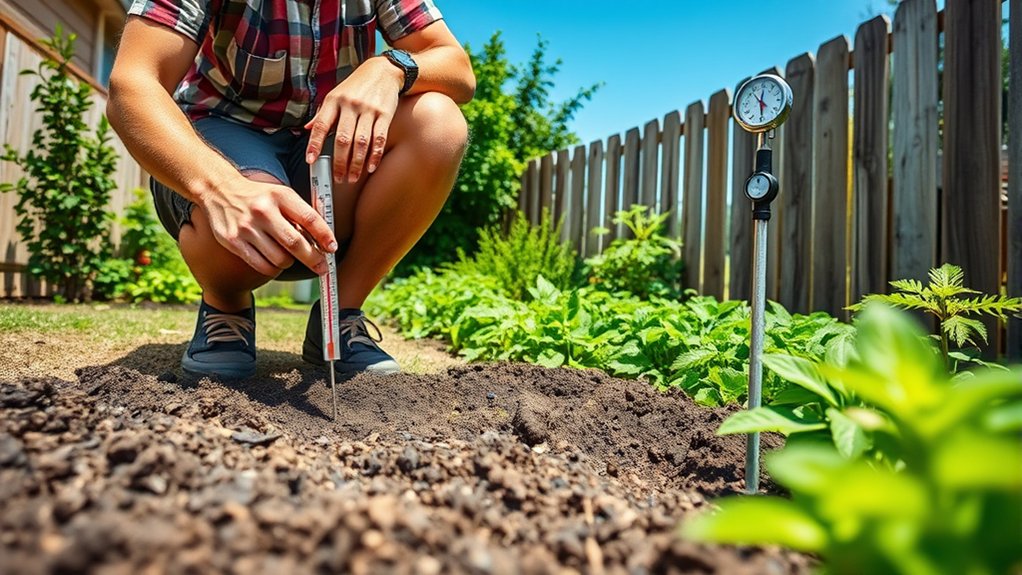
Before you plant, check your local climate and growing season. Your climate zones offer a starting point, but nearby conditions can differ. Find your growing season length and frost dates through a local extension service or reliable gardening calendar. These details help you choose vegetables that can mature before cold weather returns.
- Match each crop’s days to maturity with your growing season length.
- Check heat tolerance before choosing vegetables for hot summers.
- Note rainy season timing so you can plan around wet spells.
- Use local rainfall patterns to guide irrigation scheduling.
- Consider soil testing to learn whether your soil needs amendments.
Your garden’s microclimate matters, too. A sheltered area may warm sooner, while an exposed spot can face harsher winds or late frosts. Track temperatures and rainfall in your yard, then adjust planting dates to suit actual conditions.
If your season is short, choose fast-maturing varieties. If heat arrives early, prioritize crops that can handle it. Careful timing helps you avoid preventable losses and gives vegetables a better chance to thrive.
Start Small With a Bed or Containers
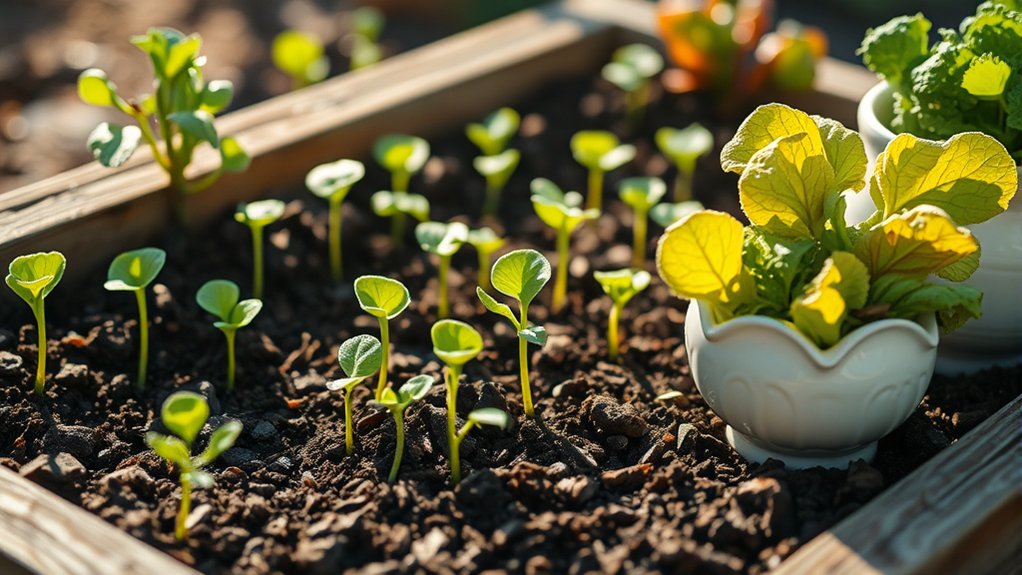
Choose a garden bed if you have room, or grow vegetables in containers on a patio or balcony. Start with just a few plants so you can learn what grows well and keep things manageable.
Choose a Garden Bed
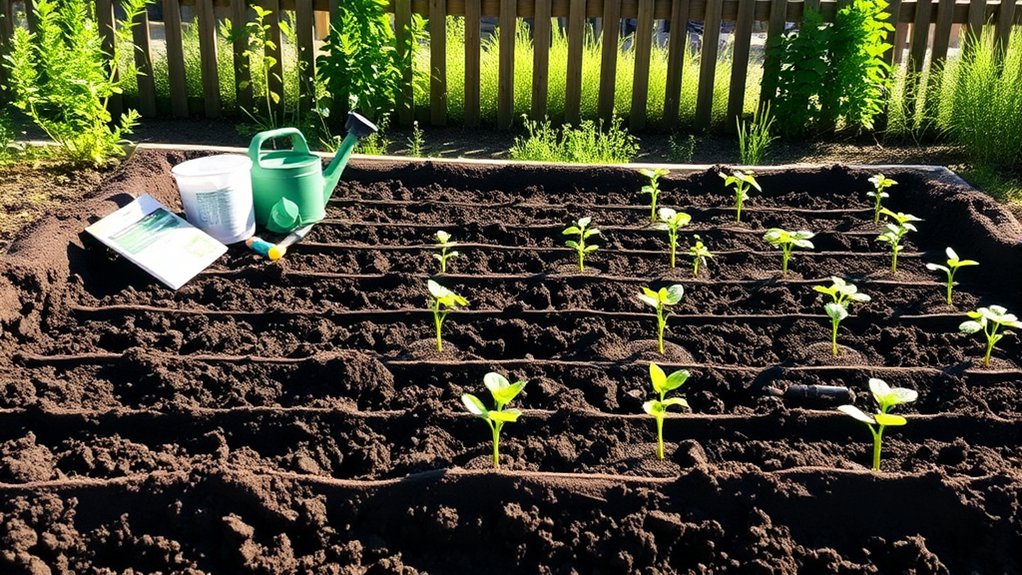
How much space should you give your first vegetable garden? Start with a garden bed that fits your available yard, time, and appetite. A compact plot is easier to maintain, and you can expand after you learn what grows well.
Choose a level, sunny spot near a water source, then check that you can reach every part without stepping on the soil.
Before planting, plan for soil preparation: remove grass and weeds, loosen the ground, and mix in compost if needed. Keep the layout simple, with straight rows or a few grouped crops. Use these checks to choose your spot:
- Aim for six to eight hours of sunlight.
- Pick ground with good drainage.
- Stay close to a hose or rain barrel.
- Leave room to walk around the bed.
- Start with a manageable size.
Count on about 124 words.
Grow in Containers
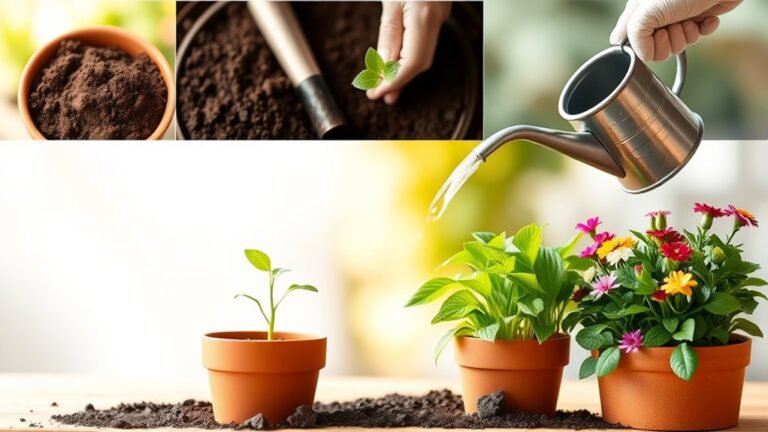
Don’t have room for a garden bed? You can grow vegetables in containers on a balcony, patio, or sunny doorstep. Choose a spot that gets at least six hours of sunlight, and make sure you can reach it easily for watering and harvesting. Containers also let you control the growing medium, which helps if your yard has poor soil.
Pay attention to container sizing: leafy greens and herbs can thrive in shallow pots, while tomatoes and peppers need deeper containers with room for their roots. Check that each pot has drainage holes so excess water can escape.
Match your seed selection to your available space and local growing conditions, and read seed packets for guidance on mature plant size, sunlight, and planting depth. Use a quality potting mix rather than garden soil, which can compact and restrict drainage.
Start With Few Plants
Whether you’re planting in a bed or containers, start with just a few plants. A small garden makes watering, weeding, and harvesting easier to manage while you learn what grows well in your space.
Choose vegetables you enjoy eating, then give each one enough room and sunlight. These beginner tips can help you build confidence without turning gardening into a chore.
- Pick two or three easy crops, such as lettuce, radishes, or tomatoes.
- Check plant labels for spacing and sunlight needs.
- Use a basic setup: healthy soil, drainage, and a watering can.
- Plant only what you can care for consistently.
- Add more varieties next season as your skills grow.
When you start small, you’ll spot problems sooner and enjoy fresh produce without feeling overwhelmed. A few plants can teach you plenty.
Choose Easy Vegetables for Your Climate
Choose vegetables that suit your climate, and you’ll spend less time troubleshooting and more time harvesting. Check your region’s growing season and typical temperatures before picking varieties.
Cool-season crops like lettuce, peas, and radishes tolerate chilly weather, while tomatoes, peppers, and beans thrive in warmth. Match each plant to your local conditions for better climate compatibility and steadier growth.
If you’re new to gardening, start with easy vegetables that grow reliably where you live. Ask a local garden center or extension service which varieties perform well nearby, and note when to plant them.
Your first choices should fit the space and time you can manage, too. Consider soil prep and watering needs as you compare options.
Some vegetables prefer loose, rich soil; others handle less-than-perfect ground. Choose crops with care requirements you can meet, especially during hot or dry spells.
A simple growing plan helps you enjoy fresh food without taking on more than you can handle. Check plant labels for sunlight preferences, too, and group crops with similar needs so you can care for them efficiently.
Get Seeds and Essential Garden Tools
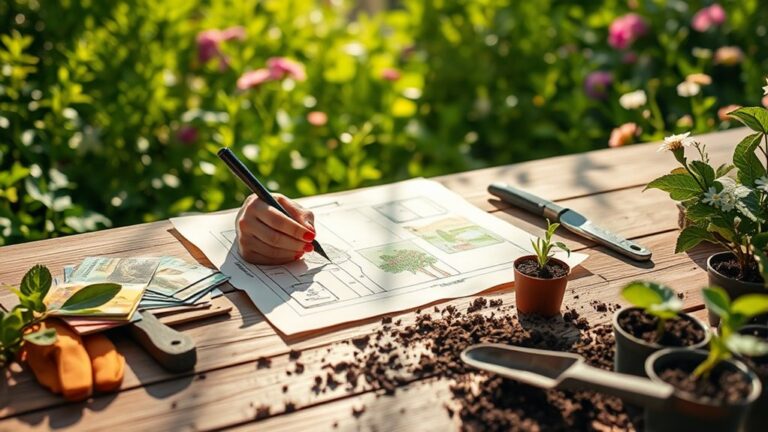
Once you’ve picked vegetables suited to your climate, gather seeds and a few essential tools. Choose seed varieties that match your space, growing season, and experience level. Check packets for planting dates, days to maturity, and whether seeds suit containers or garden beds. Buy from a reputable supplier, and select only what you’ll realistically grow.
Start with reliable tools that make routine tasks easier. Good tool ergonomics can reduce hand strain, especially when you’re working for longer periods. Pick comfortable handles and tools sized for your strength and garden.
- Seeds: Choose a few vegetables you enjoy eating.
- Hand trowel: Use it for small, precise digging tasks.
- Garden fork: Loosen compacted material and lift weeds.
- Pruning shears: Cut stems cleanly and harvest produce.
- Watering can or hose: Direct water where young plants need it.
You don’t need a large collection to begin. Keep your tools clean, store them somewhere dry, and follow seed-packet instructions when you’re ready to plant.
Prepare Your Soil for Planting
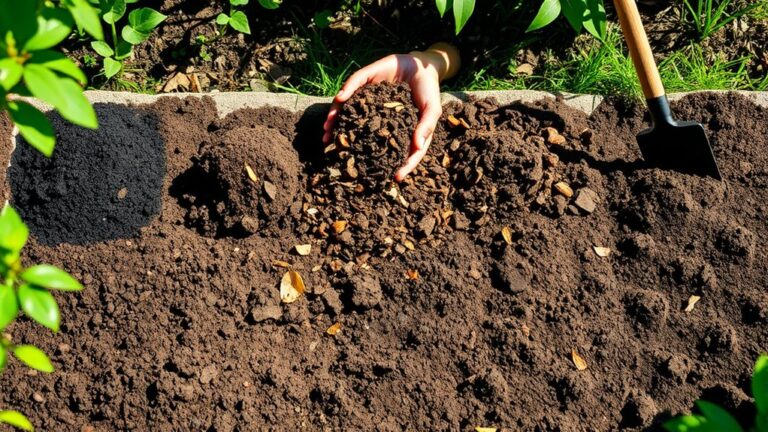
Before planting, prepare soil that drains well and provides the nutrients vegetables need. Start by clearing weeds, stones, and leftover plant debris from your garden bed. Loosen the ground with a garden fork or spade, working about 8 to 12 inches deep. Avoid digging when soil is wet, since that can compact it.
Check your soil texture: squeeze a damp handful. If it forms a hard clump, add compost to improve drainage and loosen heavy clay. If it falls apart immediately, mix in compost to help sandy soil hold moisture and nutrients.
Spread a 2- to 3-inch layer of finished compost over the bed, then blend it into the top several inches. Compost feeds plants and supports microbial life, which helps make nutrients available.
If you’re unsure what your soil needs, use a home test kit or contact your local extension office for a soil test. Follow its recommendations for amendments, and rake the bed smooth before planting.
Plant at the Right Time for Your Region
When should you plant? Your region’s climate and last expected frost date determine the best time to start each vegetable. Check local forecasts and regional calendars to find suitable planting windows. Timing awareness helps you avoid exposing tender seedlings to damaging cold or planting heat-sensitive crops too late.
- Find your average last spring frost date through a local extension service.
- Start cool-season crops, such as peas and spinach, while temperatures remain mild.
- Wait until frost danger passes before planting warm-season crops, including tomatoes and peppers.
- Check seed packets for days to maturity and recommended soil temperatures.
- Use succession planting to sow quick-growing crops in several small batches.
Your garden may have a different schedule from one just a short distance away, so follow guidance for your specific area. If you’re starting seeds indoors, count backward from the recommended outdoor planting date and allow time for seedlings to mature.
Keep a simple planting calendar, and adjust it each year based on local conditions. Choosing the right dates gives your vegetables a stronger start and makes the most of your growing season.
Water Your Vegetable Garden Consistently
Water your vegetable garden consistently to keep soil moisture steady and support healthy growth. Check the soil regularly, then water when the top inch feels dry. Aim water at the soil near plant roots, not across leaves, and water slowly so it can soak in.
Your watering routines may change with temperature, wind, and plant size, so adjust as conditions shift. Build rainfall awareness by checking recent rain before watering; a simple gauge can help you track how much your garden receives.
| Garden condition | What to check | Watering response |
|---|---|---|
| Warm, dry days | Soil dries quickly | Check daily; water as needed |
| Cool, cloudy days | Soil stays damp longer | Wait and recheck |
| After rainfall | Measure rain received | Skip watering if soil is moist |
Water early in the day when possible, giving plants time to take up moisture before afternoon heat. Use a gentle flow to avoid washing soil away. Keep notes on weather and watering so you can spot patterns and provide dependable care throughout the growing season.
Mulch, Weed, and Spot Garden Problems
Mulch, weed, and inspect your vegetable garden regularly to protect plants and catch problems early. A few simple habits can keep your beds healthier and easier to manage.
Regular mulching, weeding, and inspection help protect vegetable plants, prevent problems, and keep garden beds healthy and manageable.
Use these mulch strategies to conserve moisture, moderate soil temperature, and discourage weeds: spread a two- to three-inch layer of straw, shredded leaves, or untreated grass clippings around plants. Keep mulch a few inches from stems to prevent rot.
Pull young weeds before they set seed, and loosen shallow roots carefully so you don’t disturb vegetables. Try these weed control techniques:
- Weed after rain, when roots lift easily.
- Use a hoe on small weeds between rows.
- Cover bare soil with mulch to block sunlight.
- Remove diseased leaves and fallen plant debris.
- Check leaf undersides for pests, eggs, or spots.
Inspect plants often, and act promptly when you notice yellowing, holes, or unusual growth. Identify the cause before treating it, and choose the least disruptive solution. Regular attention helps you protect healthy growth throughout the season.
Harvest Vegetables When They’re Ready
Harvest vegetables at their peak for the best flavor and texture. Check each plant often, since harvest timing can change quickly as fruits and pods mature. Use ripening cues such as color, size, firmness, and aroma, and compare them with the seed packet or plant label.
Pick tomatoes when they’re fully colored but still firm; harvest zucchini while they’re small and tender. Snap beans when their pods feel smooth and seeds remain small.
Use clean scissors or pruners for crops with sturdy stems, and support branches with your other hand to avoid damage. Twist or lift delicate produce gently rather than pulling hard.
Harvest leafy greens from the outside, leaving the center to keep growing. Pick in the cool morning when possible, then move produce into shade.
Check plants again after rain or warm weather, when growth may accelerate. Regular picking encourages many vegetables to keep producing, while leaving ripe produce too long can attract pests or reduce quality.
Enjoy your harvest fresh, or store it promptly.
Frequently Asked Questions
How Can I Keep Rabbits and Other Pests Out of My Vegetable Garden?
Keep rabbits and other pests out by surrounding your vegetable garden with sturdy, fine-mesh fencing. Bury the bottom several inches and make the fence tall enough to discourage jumping. These rabbit proofing strategies work best when you close gaps and secure gates.
Add pest deterrents like row covers, netting, and motion-activated sprinklers. Remove fallen produce, weeds, and hiding places regularly, and inspect plants often so you can spot damage and act before pests spread.
Can I Grow Vegetables Indoors During Winter?
Yes—you can grow vegetables indoors during winter, when the outdoors seems determined to make gardening impossible. Choose compact crops like lettuce, spinach, herbs, or dwarf tomatoes, and place them near your sunniest window.
For reliable indoor winter lighting, use a full-spectrum grow light for 12–16 hours daily. Keep temperatures steady, water when the soil feels dry, and ensure good drainage. Seedling heat mats can help warm germination trays, but don’t overheat established plants.
How Do I Compost Kitchen Scraps for My Garden?
You can compost kitchen scraps by layering them with dry, carbon-rich materials in a covered bin. Start with composting fundamentals: balance “greens,” such as fruit and vegetable scraps, with “browns,” like dry leaves or shredded cardboard.
For kitchen scrap sorting, save plant-based scraps and coffee grounds; skip meat, dairy, oils, and pet waste to limit odors and pests. Keep the pile damp, turn it regularly, and add finished compost to your garden when it’s dark and crumbly.
Should I Rotate Crops From Year to Year?
Yes, you should rotate crops each year. Think of your garden as a tired traveler: when you give each plant family a new place to grow, you offer the soil a fresh start. Through crop rotation, you can reduce pests and diseases that linger where their favorite crops grew, while balancing nutrient demands.
Use yearly planning to map beds and track plant families. If space is limited, rotate what you can and add compost to support healthy soil.
Can Vegetables Grow Well in a Garden With Partial Shade?
Yes, you can grow vegetables successfully in partial shade, though your harvest may be smaller or slower. Aim for at least four to six hours of sunlight, and choose shade tolerant crops such as lettuce, spinach, kale, and radishes.
Fruiting vegetable varieties, including tomatoes and peppers, need more direct sun to produce well. Watch how sunlight moves across your garden, then plant each crop where it’ll get the light it needs.
Conclusion
You’ve chosen a sunny spot, checked your season, and planted vegetables suited to your climate. Now keep watering, pull weeds, and watch for trouble before it spreads.
Each day brings your garden closer to its first harvest, and the best part may be just around the corner. Will you spot the first ripe tomato, crisp bean, or tender leaf?
Check your plants often. When they’re ready, pick them promptly, enjoy the flavor, and start planning what you’ll grow next season. With these easy steps to start a vegetable garden, you’ll be ready to grow again.