How to Plan a Garden in 7 Easy Steps
Planning a garden can feel overwhelming when you’re not sure where to start or what you’ll need. You’re not alone—many people struggle to turn a patch of outdoor space into a garden that’s easy to care for. This guide to how to plan a garden in 7 easy steps will help you get started with confidence.
Choose an accessible, sunny site near water; check sunlight, soil, and drainage; then decide what you want to grow. Measure the space and sketch beds and paths so you can reach everything without walking on the soil.
Choose plants suited to your climate and conditions, gather basic tools, and prepare the ground with compost. Finally, make a flexible planting calendar, track progress, and adjust tasks as the season changes. The steps below will help you get started.
Key Takeaways
- Choose a sunny, well-drained site near water and an entrance you use often.
- Observe sunlight on multiple days, test soil and drainage, and improve the soil as needed.
- Set garden goals based on your interests, budget, time, experience, and available space.
- Choose suitable plants for your climate and sunlight, grouping those with compatible care needs.
- Sketch a modest layout with accessible paths, then track planting dates, weather, pests, and harvests.
Choose Your Garden Site
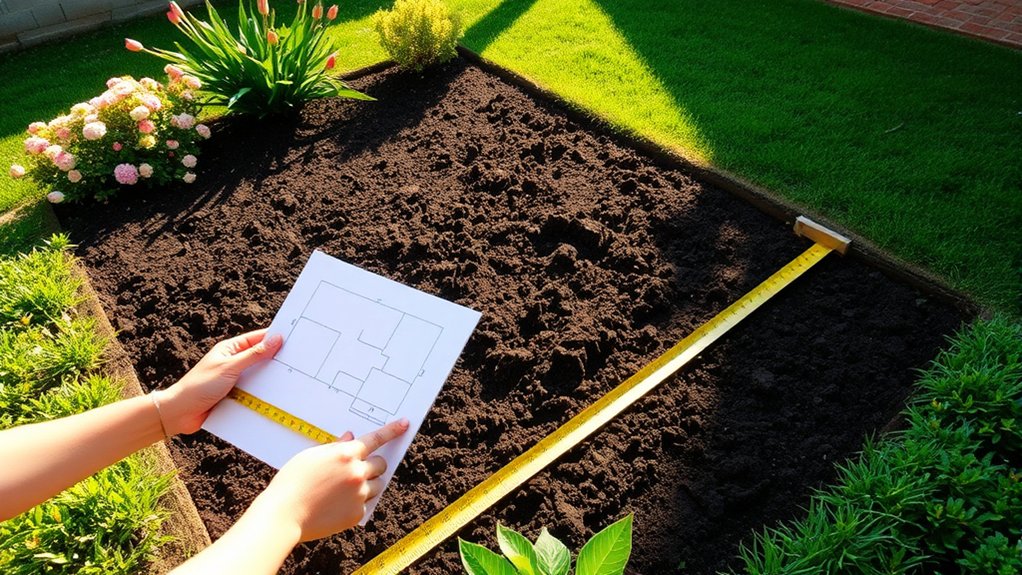
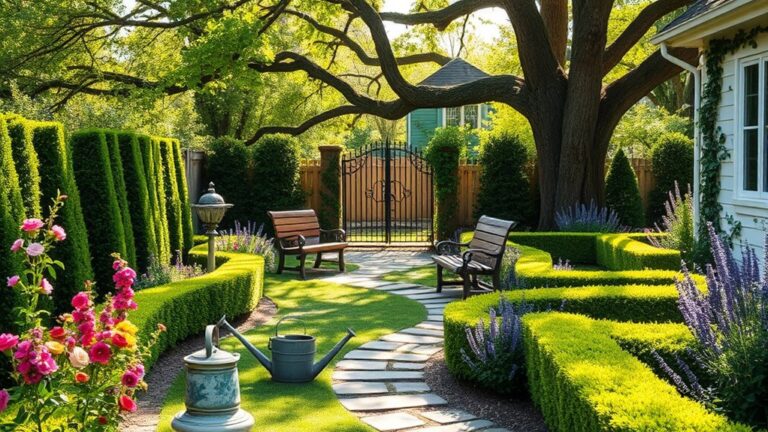
Choose a sunny, well-drained spot for your garden that’s easy to reach and close to a water source. Good site selection makes everyday gardening simpler and helps you stick with your plans. Pick a location you can visit often, such as near a path, patio, or kitchen door.
When your garden’s convenient, you’re more likely to notice problems and keep up with routine tasks.
Think about how you’ll use the space before you commit. Leave enough room to move around beds, carry tools, and bring in supplies. Keep the layout practical for your household, whether you’re growing food, flowers, or both.
Make sure water access won’t require dragging a heavy hose across walkways or through crowded areas. If you’re planning several beds, group them together to simplify upkeep and make the garden feel organized.
Avoid placing your garden where foot traffic could damage plants or where future projects might disrupt your layout. Mark a possible footprint with stakes or string, then walk around it to confirm the space works. You’ll make a more confident choice before building.
Check Sun, Soil, and Water
Once you’ve chosen your garden site, keep an eye on how sunlight moves across it throughout the day. You’ll also want to test the soil to find out its texture and nutrient levels. And don’t forget to check your water source so you know what your plants will need.
Track Sunlight Exposure
Before you decide what to plant, track how sunlight moves across your garden. Spend a clear day observing each area in the morning, midday, and late afternoon. Note where direct rays linger and where buildings, fences, or trees cast shadows. This sunlight mapping helps you match plants to the light your space truly offers, rather than relying on guesswork.
- Morning: Notice gentle light that can brighten your day and suit plants needing a softer start.
- Midday: Mark the hottest, brightest spots, where full-sun plants may thrive but tender leaves could struggle.
- Afternoon: Watch shadows stretch; these cooler pockets can welcome plants with greater shade tolerance.
Repeat your observations on another day, since clouds and seasons shift the pattern. Sketch the changing light, and you’ll feel more confident choosing plants for every corner.
Test Soil and Water
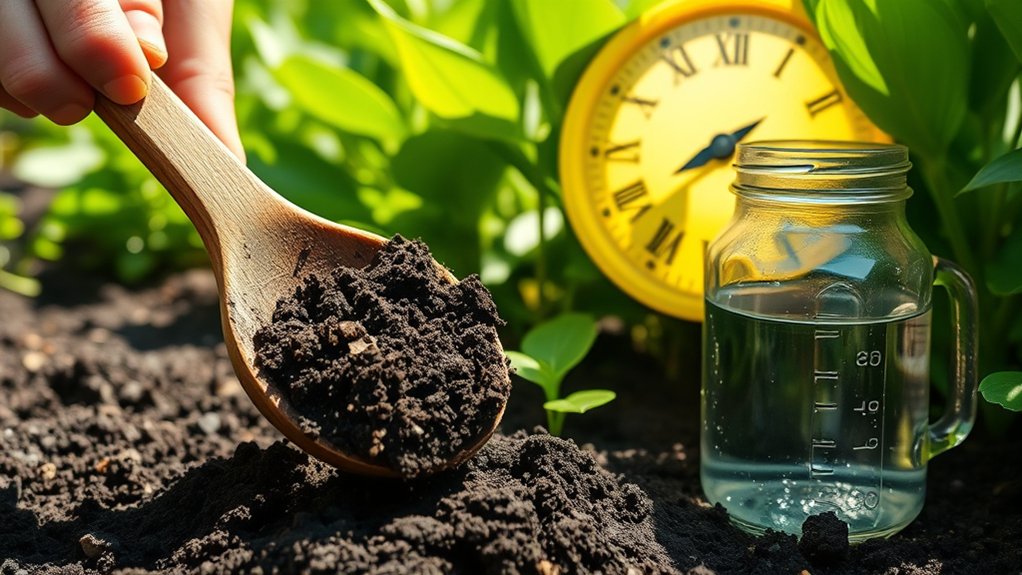
After mapping sunlight, check the soil and water conditions to see what your garden can support. Start with soil testing to learn its pH and nutrient levels. You can use a home kit or send a sample to a local extension service.
Follow the results to decide whether you need compost, fertilizer, or a pH adjustment before planting. Next, assess drainage: dig a small hole, fill it with water, and see how quickly it empties. Soil that stays soggy may need raised beds or plants suited to wet conditions.
Check water quality, too, especially if you’ll use a well or rain barrel. Look for signs of contamination, and test the source if you’re unsure. Make sure your water supply can reach the garden reliably during dry spells.
Decide What You Want to Grow
Choose plants that suit your climate, available space, and sunlight. Then think about what you enjoy eating or seeing in your garden. Set a clear goal, like harvesting fresh herbs or filling a few beds with flowers.
Choose Your Plants
Start with plants you enjoy eating, growing, or looking at, then match them to your garden’s sunlight, space, and climate. Check plant labels or reliable local guides to learn how much light and room each variety needs. Choose options that suit your soil and typical weather, so you won’t struggle to keep them healthy.
As you browse, consider these rewarding choices:
- Grow herbs or vegetables you’ll love harvesting for meals.
- Discuss native species that support local pollinators and wildlife.
- Explore ornamental perennials for color that returns each year.
Mix heights, textures, and bloom times to create a garden that feels inviting through the seasons. Select plants with compatible care needs, especially if you’re new to gardening. A thoughtful mix helps you enjoy every visit, from the first green shoots to the final flowers.
Set Growing Goals
With plants suited to your space and climate in mind, set clear growing goals before you finalize your garden plan. Decide what you want your garden to provide: fresh vegetables, herbs for cooking, colorful flowers, or a peaceful place to unwind. Your priorities will guide choices about how much to plant and where each crop belongs.
Consider your time, budget, and experience, too. If you’re new to gardening or busy, start with a few low-maintenance plants. If you want a steady harvest, choose crops that mature at different times and plan successive sowings. Write down your planning goals, then check for goal alignment: each plant should support what you want from the space. Clear goals help you avoid overcrowding, focus your spending, and create a garden you’ll enjoy tending throughout the season.
Plan Your Garden Layout and Size
How much space can you realistically tend? Let your available time, energy, and access to water guide you as you determine size. A small, well-kept garden can feel more rewarding than a large plot that overwhelms you.
Measure the space, note its shape, and mark fixed features such as paths, fences, and doors.
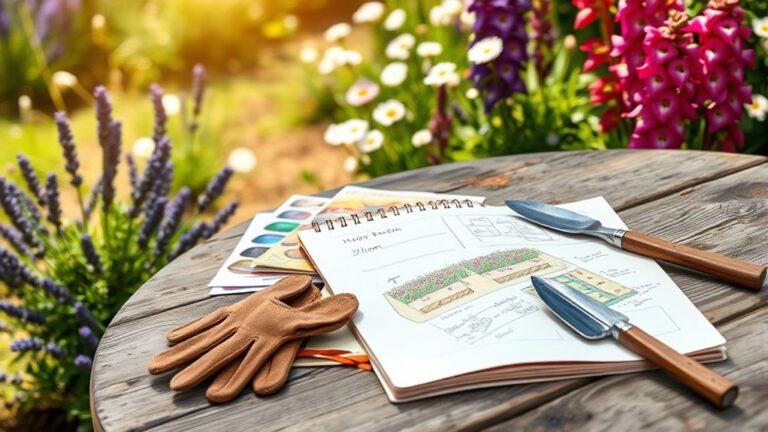
Next, plan the layout so you can reach every area without stepping on growing beds. Sketch the space on paper, then divide it into practical sections. Leave room for movement and routine tasks.
- Picture the joy of harvesting without squeezing between crowded beds.
- Give yourself clear paths, so watering and weeding feel manageable.
- Start with a modest footprint; you can expand when you’re ready.
Consider how the garden will fit into your daily routine, and keep frequently tended areas easy to access. Check that your design leaves enough room for tools, containers, and comfortable movement.
A thoughtful layout helps you enjoy the work instead of fighting the space.
Choose Plants for Your Growing Conditions
Choose plants that suit your garden’s sunlight, soil, and climate. Track how many hours of direct sun each area receives, then match plants to those conditions. Full-sun vegetables, such as tomatoes and peppers, need at least six hours of sunlight; leafy greens often tolerate partial shade.
Check your region’s growing season and choose varieties that can mature before frost arrives. Consider your soil’s drainage and natural characteristics when selecting crops, but don’t assume every plant needs the same conditions.
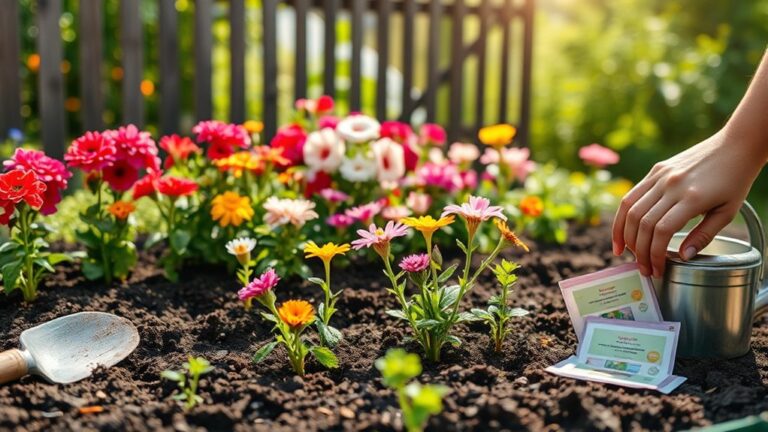
Read seed packets or plant labels for specific requirements, including spacing, water, and temperature. If you’re new to gardening, start with a few reliable plants you enjoy eating or seeing. A manageable selection makes it easier to learn what thrives.
You can also plan companion planting by grouping compatible crops, such as basil near tomatoes, to use space thoughtfully. Choose plants suited to no till techniques if you intend to minimize soil disturbance.
Keep your layout in mind, and select varieties that fit the room you’ve planned.
Gather Tools and Prepare Your Garden Soil
Gather a few basic tools before you begin: a spade, hand trowel, rake, and watering can or hose will handle most small garden tasks. Gathering tools now saves you interruptions later and makes each task feel manageable. Add gloves and a bucket if you have them; you’ll appreciate the comfort and convenience.
Gather your tools before you begin, and garden tasks will feel smoother, simpler, and more manageable.
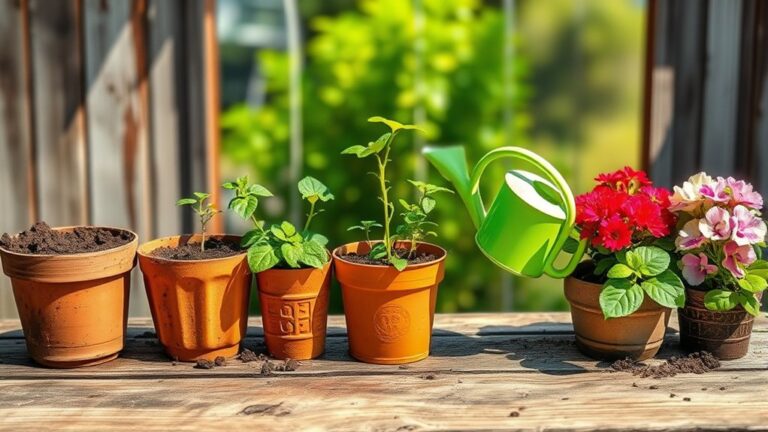
Before soil preparation, clear away weeds, stones, and leftover roots. Loosen the ground with your spade, working only when the soil is moist but not soggy. Rake the surface smooth, then mix in finished compost to improve texture and nourish your plants. If you’re using containers, choose fresh potting mix instead of garden soil.
- Check the soil: Squeeze a handful. If it stays muddy, wait; if it crumbles, you’re ready.
- Feed the earth: Blend in compost and give your future plants a welcoming start.
- Finish gently: Level the bed and water lightly to settle dust.
Your prepared soil gives chosen plants a healthy place to grow.
Make a Planting Calendar for Your Garden
When should you plant each crop? Build a planting calendar around your local frost dates, climate, and each plant’s growing needs. Check seed packets for sowing instructions, then note whether crops thrive in cool or warm weather. Your planting schedule can also include indoor seed-starting dates, transplanting windows, and expected harvests. Use these ideas as a starting point, and adjust them to fit your region.
| Crop | Planting cue |
|---|---|
| Lettuce | Sow in cool weather |
| Peas | Plant as soil thaws |
| Tomatoes | Transplant after frost |
| Beans | Sow after soil warms |
Mark dates on a wall calendar or in a garden notebook. Stagger quick-growing crops, such as lettuce, every couple of weeks for a steadier harvest. Leave room for notes about germination, weather, pests, and harvest results. Those records will help you refine next year’s timing.
If you garden in a mild climate, follow regional guidance rather than assuming these examples match your season. Review your calendar weekly, and shift tasks when forecasts or conditions change. A flexible plan keeps you organized without making gardening feel rigid.
Frequently Asked Questions
How Can I Keep Pests Out of My Garden Naturally?
Keep pests out of your garden naturally by combining prevention, diversity, and regular checks. Use companion planting to pair crops with herbs or flowers that deter unwanted insects, and attract natural predators like ladybugs and birds with native plants and water. Cover vulnerable seedlings with lightweight row fabric, remove weeds and damaged leaves, and handpick larger pests. Water at soil level, rotate crops each season, and avoid broad-spectrum pesticides that harm beneficial insects.
What Should I Do With Garden Waste and Fallen Leaves?
Turn garden scraps and fallen leaves into rich, useful soil. Start a compost pile with healthy plant trimmings, grass clippings, and vegetable scraps; skip diseased plants, weeds with seeds, and meat. For practical composting tips, keep the pile damp, mix greens with dry browns, and turn it regularly.
Try leaf mulching, too: shred leaves and spread a thin layer around plants to protect roots, hold moisture, and gradually feed your garden. You’ll waste less and nourish more.
How Often Should I Prune Garden Plants?
Prune garden plants as often as their species and growth require; many need attention once a year, while fast-growing shrubs may need trimming several times.
For accurate pruning timing, check each plant’s flowering season: prune spring bloomers after flowering and summer bloomers in late winter or early spring.
Use clean, sharp tools and sound pruning techniques, removing dead, damaged, or crossing branches. Don’t remove more than one-third of a plant’s growth at once.
How Can I Protect My Garden From Frost?
Cover tender plants, water the soil, and watch the forecast. To protect your garden from frost, use protective covers such as sheets, blankets, or horticultural fleece before temperatures drop; secure them so they don’t touch foliage, and remove them in the morning.
Check frost timing in your area, bring containers indoors, and mulch around roots to hold warmth. You’ll reduce damage by preparing early, covering vulnerable crops, and uncovering plants after the cold passes.
What Are the Best Ways to Preserve a Garden Harvest?
You can preserve your garden harvest by choosing preservation techniques that suit each crop. Freeze berries, blanch vegetables before freezing, or can tomatoes and pickles using tested recipes.
Dry herbs, beans, and fruit for compact, shelf-stable supplies. Ferment cabbage and other vegetables for tangy flavor.
For harvest storage, keep produce cool, dry, and well ventilated; separate ethylene-producing fruits from sensitive vegetables. Check stored food regularly, and use or discard anything showing spoilage.
Conclusion
A successful garden starts with a few thoughtful choices, not a perfect plan. Choose a suitable site, understand your conditions, decide what to grow, and map out a manageable layout. Then select plants, prepare your soil, and set a planting calendar.
As you learn, adjust your plans to fit your space and experience. Think of your garden as a living classroom: each season teaches you something new. Start small, stay curious, and enjoy watching your efforts take root as you plan a garden that works for you.