How Do You Start a Vegetable Garden in 7 Easy Steps?
Starting a vegetable garden can feel overwhelming when you’re unsure what to plant, where to begin, or how to keep everything growing. You’re not alone—many new gardeners struggle with the first steps. This guide to how to start a vegetable garden in 7 easy steps makes it simpler to get growing.
Start a vegetable garden in seven easy steps: choose a sunny, well-drained spot near water; pick vegetables suited to your space and season; check local frost dates and sketch a practical layout; prepare soil with finished compost; plant seeds or seedlings at the recommended depth; water when the soil feels dry an inch down and add two to three inches of mulch; then protect plants from pests and frost, and harvest on time. A few helpful details can make each step easier.
Key Takeaways
- Choose a level, well-drained spot with six to eight hours of sunlight and convenient access to water.
- Measure your space, sketch beds and paths, and choose vegetables suited to your climate, sunlight, and available room.
- Check local frost dates and crop maturity times to plan planting, harvesting, and succession sowings.
- Prepare soil with finished compost, then sow seeds or transplant seedlings at the recommended depth and spacing.
- Water when the soil feels dry, mulch around plants, inspect for pests, and harvest vegetables promptly.
Choose a Sunny Spot for Your Vegetable Garden

Choose a spot that gets at least six to eight hours of direct sunlight each day, since most vegetables need plenty of light to grow well. Watch your yard throughout the day to see where sunlight falls and how long it lasts. Morning sun is helpful, while strong afternoon light can dry soil faster, so plan to check moisture regularly.
Most vegetables thrive with six to eight hours of direct sunlight, so observe your yard before choosing a spot.
Look for sunny spots near a water source to make routine watering easier. Avoid areas shaded by buildings, fences, or large trees, which can block light and compete with your garden for water. Consider shade considerations throughout the growing season: the sun’s angle changes, and nearby trees may leaf out in spring.
If you’re unsure, track sunlight at different times for a few days before settling on a location.
Choose level, well-drained ground when possible, and steer clear of low spots where water collects after rain. A site with convenient access makes it easier for you to tend your garden consistently.
Pick Vegetables for Your Space and Season
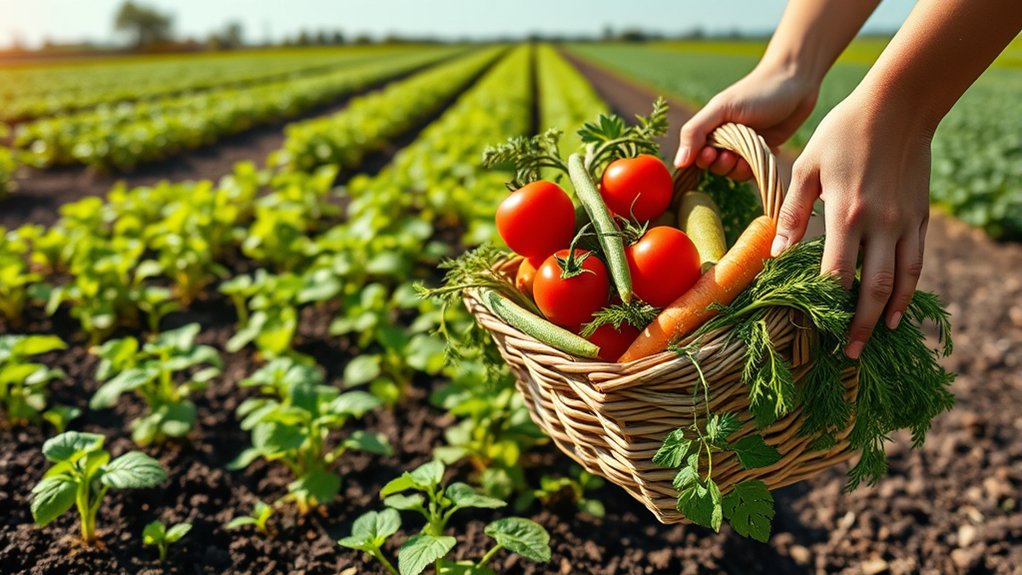
Consider how much space you have and whether you’ll be growing in beds, containers, or both. Then choose vegetables that suit the season, your local climate, and your growing conditions.
Assess Your Growing Space
Before planting, look at how much space you have, how many hours of sun it gets, and when you plan to grow. To assess space layout, measure your garden beds, containers, or available ground. Note paths, fences, trees, and nearby buildings that could limit planting or access.
You don’t need a large plot; even a sunny balcony can support a few pots. Next, evaluate sun exposure by observing the area at different times of day. Record which spots receive direct light and which stay shaded.
Check whether water is easy to reach, and make sure you can comfortably tend each planting area. Look for level ground with soil that drains well, or plan to use raised beds or containers if needed. These observations help you choose a practical garden setup.
Match Crops to Seasons
Next, match vegetables to your climate, growing season, and available space. Check your area’s frost dates and use them to estimate when you can plant and harvest.
Cool-season crops grow best in spring or fall, while warm-season crops need warmer soil and longer, frost-free days. Compare each crop’s days to maturity with the time your season allows.
If your growing space is limited, prioritize crops that fit its sunlight, layout, and available growing period. You can extend the season with row covers or containers you move indoors during cold snaps.
Plan seasonal companions so crops share space without competing for light or room. Use succession planning to stagger sowings of fast-growing vegetables, giving you a steady harvest instead of a single glut.
Leave time between plantings for soil recovery and cleanup.
Choose Suitable Vegetables
A well-chosen crop fits both your growing space and your season. Check your sunlight, container size, and local planting calendar before you buy seeds. If you garden on a balcony, choose compact varieties; in a sunny yard, you can grow sprawling plants. Pair each choice with your available growing time, too.
| Vegetable | Best space | Season |
|---|---|---|
| Lettuce | Pots or beds | Cool |
| Radishes | Small containers | Cool |
| Tomatoes | Deep pots or beds | Warm |
| Bush beans | Containers or beds | Warm |
Use idea one: grow quick crops like radishes for an early harvest. Try idea two: plant tomatoes only when warm weather arrives. Choose two or three vegetables you enjoy eating, then check their spacing and care needs. Starting small helps you manage watering, pests, and harvests without feeling overwhelmed.
Check Planting Dates and Plan Your Garden Layout
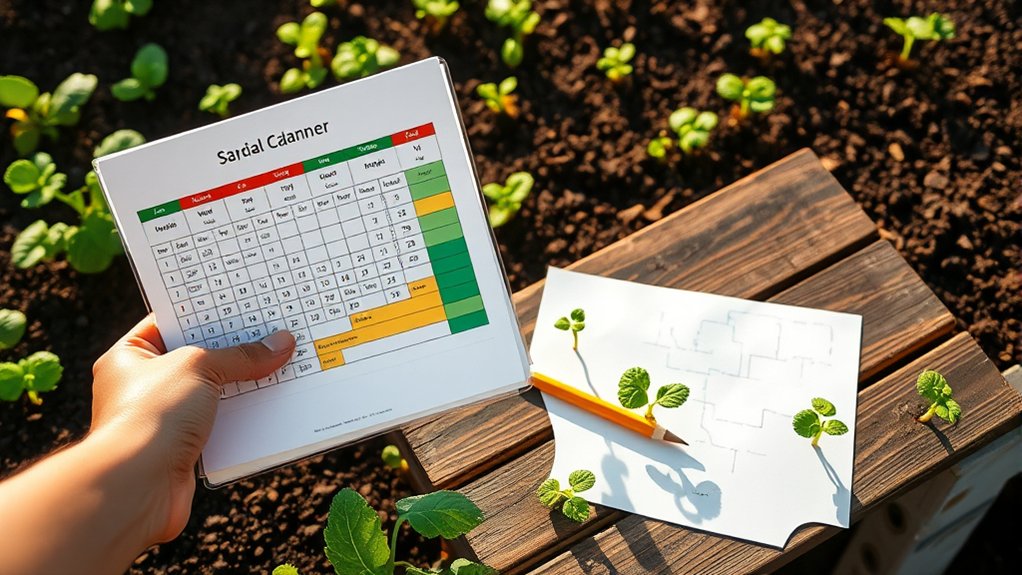
When should you plant, and where will each crop thrive? Check your local frost dates, then use a planning calendar to schedule sowing and transplanting. Match each crop’s needs to your climate, and follow seed variety timing on the packet; some varieties mature faster or tolerate cool weather better than others. Stagger quick-growing crops so you can harvest them over several weeks.
Next, sketch your garden layout before planting. Mark sunny areas, paths, and the dimensions of each bed or container. Place tall crops where they won’t shade shorter plants, and group vegetables with similar sunlight and spacing needs. Check mature plant sizes so leaves and roots have room to grow. If you’re planting in rows, leave enough space to reach every crop without stepping on growing areas.
For a small garden, use vertical supports for climbing vegetables and reserve accessible spots for frequent harvests. Keep your plan flexible: weather, available space, and your preferred harvest may change. A simple sketch can help you track what you planted and guide next season’s rotation.
Prepare Healthy Soil for Your Garden
Healthy soil gives your vegetables a strong start. First, test your soil to find out which nutrients it needs. Then add organic matter, such as compost, to improve its structure and fertility.
Test Your Soil
Before you plant, find out what your soil needs. A soil test can reveal whether your garden bed has the right soil pH and nutrient balance for vegetables. You’ll avoid guessing and can make informed choices before planting.
- Collect a sample. Use a clean trowel to gather small amounts of soil from several spots in your garden bed. Mix them in a clean container, then follow your test kit’s instructions.
- Check the results. A home kit offers a quick estimate, while a lab test can provide more detail. Look for pH and key nutrients, such as nitrogen, phosphorus, and potassium.
- Plan your next step. Compare the results with the needs of your chosen vegetables. If anything seems unclear, ask your local extension office for guidance before you prepare the bed.
Add Organic Matter
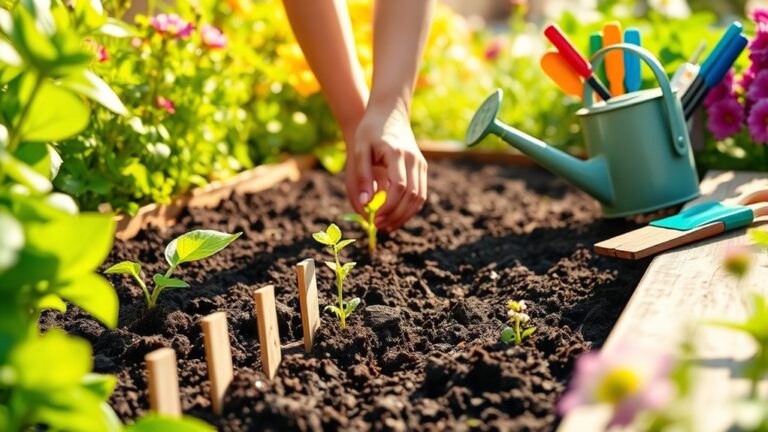
Once you’ve tested your soil, add organic matter to improve its structure and help it hold moisture and nutrients. Spread a two- to three-inch layer of finished compost over your garden bed, then mix it into the top six to eight inches of soil.
You can make your own compost from fruit and vegetable scraps, leaves, and grass clippings, or look for neighborhood compost programs that offer finished material. Avoid adding fresh manure, which can damage plants and introduce harmful bacteria.
Add organic matter before planting, giving it time to blend with the soil. After seedlings emerge, apply a light layer of straw or shredded leaves as mulch.
For root vegetables, keep mulch loose and thin so roots can develop easily. Replenish compost and mulch each season to maintain healthy, productive soil.
Plant Seeds and Seedlings at the Right Depth
Plant seeds at the depth listed on the packet, since sowing them too deep can prevent them from sprouting. Check the packet for each crop’s recommended seed depth, because small seeds often need only a light covering, while larger ones can go deeper.
If you can’t find instructions, use a simple rule: plant a seed about twice as deep as it’s wide.
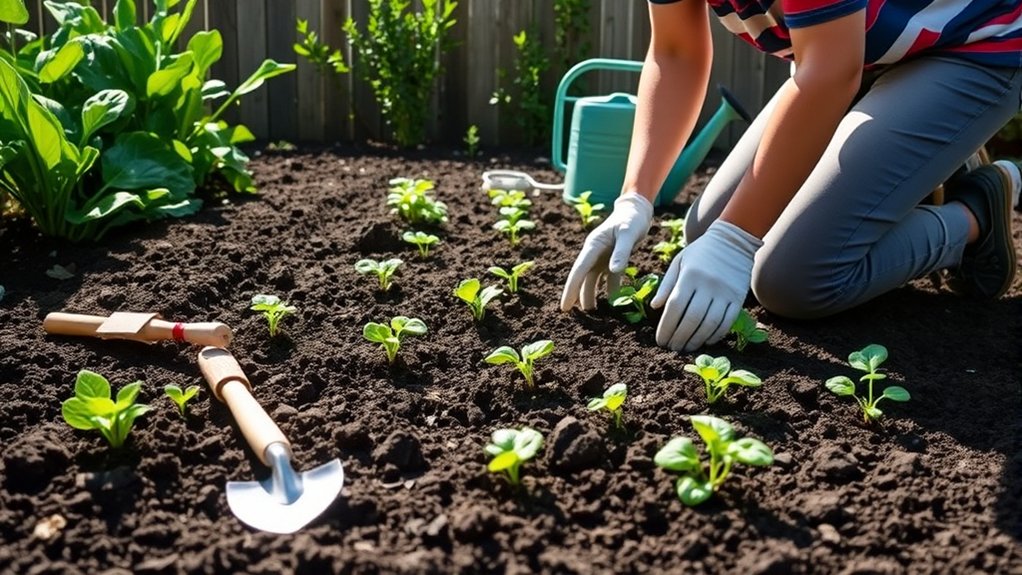
When you transplant seedlings, set each one at the depth it grew in its container. Bury tomato stems a little deeper to help them develop extra roots, but keep other plants’ leaves above the soil.
Follow spacing guidance to give each crop room to grow. Proper seedling spacing helps prevent crowding and makes harvesting easier.
- Make a shallow furrow with your finger or a garden tool.
- Drop seeds in at the recommended intervals, then cover them gently.
- Place seedlings in prepared holes, firm the soil around their roots, and check that they stand upright.
Label each row so you’ll remember what you planted.
Water and Mulch Your Vegetable Garden
Consistent watering and a layer of mulch help your vegetables thrive. Check your soil regularly by pressing a finger about an inch into it. If it feels dry, water slowly at the base of your plants until the soil is moist.
Watering in the morning gives leaves time to dry and helps reduce waste from evaporation. Adjust your routine for rainfall, temperature, and soil type. Containers may need water more often than garden beds.
Spread two to three inches of organic mulch around your vegetables, keeping it a little away from stems. Straw, shredded leaves, and untreated grass clippings can improve water retention, moderate soil temperature, and limit weeds.
Add more mulch as it breaks down, but avoid piling it against plant stems. If organic materials aren’t available, consider mulch alternatives such as landscape fabric or clean, untreated cardboard. Make sure water can still reach the soil, and check moisture beneath the mulch before watering so you don’t oversaturate your garden.
Protect Your Plants and Harvest on Time
Keep an eye on your vegetable garden to catch pests, disease, or weather damage early. Check leaves, stems, and soil often so you can act before small problems spread. To protect your plants, try these simple steps:
- Pick off visible pests by hand, and remove diseased leaves with clean shears. Rinse plants gently when you spot aphids, or use a garden-safe treatment if needed.
- Add netting or row covers to keep birds and insects away. Secure covers well, but lift them when flowers need pollination.
- Support tall plants with stakes or cages, and shield tender seedlings from frost with cloth. After storms, check for broken stems and firm up loose supports.
Read seed packets and inspect your crops regularly to harvest on time. Pick vegetables when they reach their recommended size, since waiting too long can make them tough or bitter. Harvest leafy greens from the outside, and use clean scissors for herbs and fruiting crops. Frequent picking often encourages more growth, so enjoy what you’ve grown and keep checking for ripe produce.
Frequently Asked Questions
How Much Does It Cost to Start a Vegetable Garden?
Your initial investment can range from about $50 to $300 for a small vegetable garden, depending on what you already own and how much you plant. If you’re asking how much does it cost to start a larger garden, expect $300 or more for raised beds, soil, tools, seeds, and irrigation. You can spend less by planting in containers, choosing inexpensive seeds, reusing materials, and adding equipment gradually as your garden grows.
What Tools Do Beginner Gardeners Need?
For your first garden, gather a sturdy spade, hand trowel, pruning shears, watering can, and gloves. These beginner tool essentials help you dig, plant, trim, water, and protect your hands.
Choose basic gardening gear that feels comfortable and suits your garden’s size; you don’t need fancy equipment. A small rake and a hose can also help you loosen soil and keep plants hydrated.
Start simply, then add tools as your needs grow.
Can I Grow Vegetables Indoors?
Yes, you can grow vegetables indoors, especially compact varieties like lettuce, spinach, herbs, and cherry tomatoes. Choose pots with drainage holes, quality potting mix, and a sunny window or indoor lighting that provides enough brightness for healthy growth.
Keep the soil evenly moist, and rotate containers so plants receive light evenly. For a head start, try seed starting in trays, then transplant seedlings into larger pots once they develop several leaves.
How Can I Garden Without a Backyard?
You can garden without a backyard by using balconies, patios, windowsills, rooftops, or shared community plots. Explore garden space alternatives such as hanging baskets, vertical planters, railing boxes, and sunny front steps.
For indoor container options, choose pots with drainage holes, compact varieties, and a bright window or grow light. Match each plant to its sunlight needs, water when the soil feels dry, and use lightweight potting mix. Even a small space can produce fresh herbs and vegetables.
How Do I Keep Pets Out of My Vegetable Garden?
Keep pets out of your vegetable garden with a barrier: fencing can reduce animal access by nearly 100% when you install it securely. Choose fence options that suit your space, such as wire mesh, a short picket fence, or netting over raised beds. Bury the bottom edge to deter digging, close gaps, and secure gates. You can also use raised planters and motion-activated sprinklers to discourage curious pets without harming them.
Conclusion
You’ve taken the first steps toward a garden that can feed more than your appetite—it can bring you joy, too. Start small, follow your local planting dates, and keep checking on your plants.
For example, imagine your child picking the first cherry tomato you grew together; that little harvest can become a favorite summer memory. You don’t need perfect soil or a perfect plan.
With sunlight, water, and patience, you’ll soon enjoy vegetables you nurtured yourself. Starting a vegetable garden can be simple and rewarding.