How to Layout a Vegetable Garden in 5 Simple Steps
Planning a vegetable garden can feel overwhelming when you’re unsure where to put each crop or how to make the most of your space. You’re not alone—many gardeners struggle to create a layout that’s practical and productive. These helpful products can make it easier to plan your garden and get growing.
To lay out a vegetable garden in five simple steps, first track sunlight throughout the day and choose a spot with enough light for your crops. Next, measure the area, note fixed features, and sketch the space to scale. Choose vegetables suited to your climate and household, then place sun-loving and tall crops where they won’t shade shorter plants. Finally, add paths wide enough for watering, weeding, and harvesting. A few practical details can make your plan even easier to use.
Key Takeaways
- Track sunlight throughout the day, noting shadows and seasonal changes; most vegetables need six or more hours of direct sun.
- Measure the garden area, divide irregular spaces into simple shapes, and sketch fixed features, slopes, and water sources.
- Plan beds, paths, and entry points so you can reach plants easily without stepping on growing areas.
- Choose regional vegetables that suit your climate and household, starting with a manageable selection of favorites.
- Place crops by sunlight, height, and spacing needs; put tall plants north and group vegetables with similar water requirements.
Check Sunlight Before Choosing a Garden Site
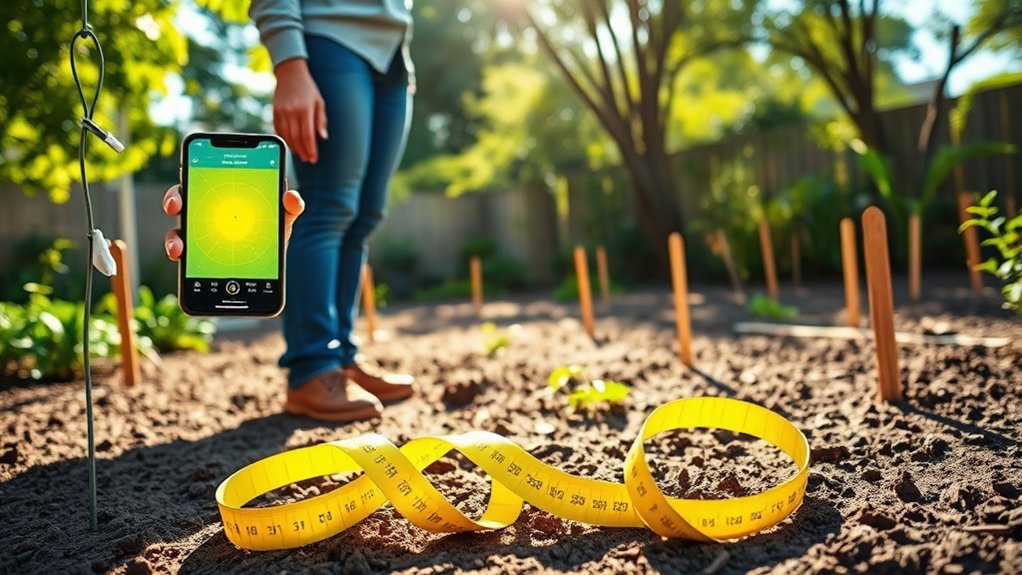
Before choosing a garden site, check how much direct sunlight each area gets throughout the day. Track the sun’s path on a clear day, noting when buildings, fences, or trees cast shadows. Repeat your observations at different times of year if possible, since sunlight variance can affect what you grow.
Most vegetables need at least six hours of direct sun daily, while fruiting crops such as tomatoes and peppers often thrive with eight or more. Leafy greens, including lettuce and spinach, tolerate partial shade, so you can use cooler spots for them. This shade adaptation helps you match crops to available light instead of forcing every plant into the sunniest area.
Pay attention to morning and afternoon exposure, too. Morning sun dries dew and can reduce disease risk, while intense afternoon rays may stress tender plants in hot climates. Choose a site that suits your preferred crops and local conditions. If light is limited, consider shade-tolerant vegetables or a sunnier alternative before settling on your garden location.
Measure Your Space for a Vegetable Garden Layout

Once you’ve chosen a sunny site, measure its length and width to determine how much growing space you have. Use a tape measure, and record each dimension in a notebook.
Measure your sunny site’s length and width with a tape measure, and record the dimensions in a notebook.
For an irregular area, divide it into simple shapes, measure each section, and add the areas together. This measurement planning gives you a reliable starting point for your garden layout.
Next, sketch the space on graph paper, assigning a scale such as one square per foot. Mark fixed features you can’t move, including fences, trees, paths, and water sources.
Note slopes or low spots, too, since they may affect where you place beds.
Think through spacing considerations before drawing bed outlines. Leave room to walk between beds, reach plants from both sides, and carry tools without stepping on growing areas.
If you’re using containers, include their footprints and access space. Keep your measurements handy as you refine the plan, and check the sketch against the site so your layout fits the space you actually have.
Choose Vegetables for Your Climate and Household
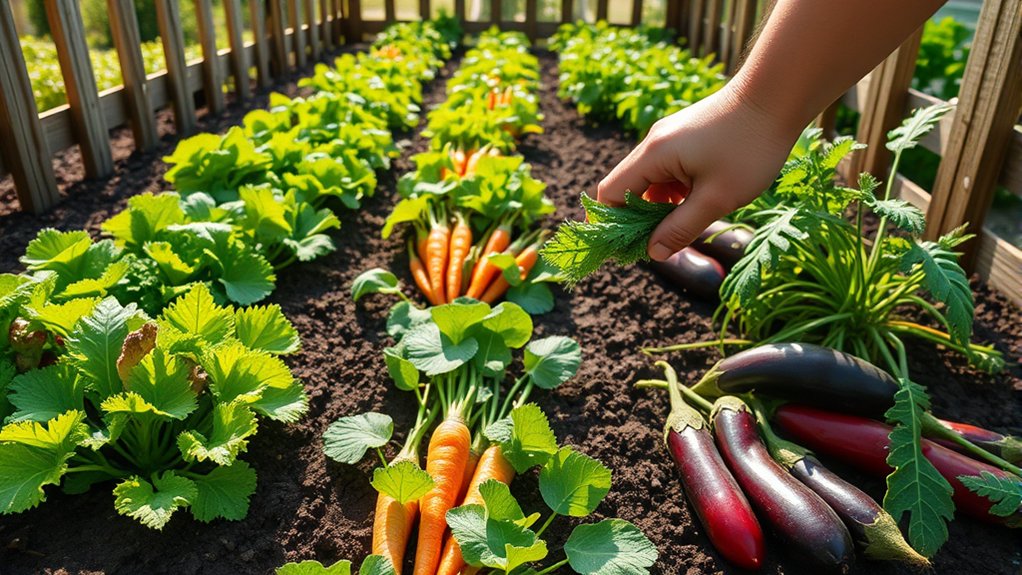
Choose vegetables that suit your climate and the way your household eats. Check your region’s growing season, typical temperatures, and frost dates before choosing seeds or seedlings. Strong climate compatibility helps crops mature reliably, while a thoughtful vegetable variety keeps meals interesting and spreads your harvest across the season.
- Match crops to your conditions. Pick heat-loving tomatoes, peppers, and beans for warm summers; choose cool-weather lettuce, peas, and cabbage where temperatures stay mild. Look for varieties recommended for your region.
- Grow what you’ll enjoy. List the vegetables your household eats often, then prioritize those you buy regularly or prefer fresh. Skip crops nobody wants, even if they’re easy to grow.
- Start with manageable amounts. Choose a few dependable favorites and add one or two new vegetables to test. Check seed packets for days to maturity and harvest expectations so you can choose quantities that fit your needs.
Your garden should reflect your tastes and local conditions, not a generic planting list. Revisit your choices each season as preferences and experience change.
Plan Crop Placement for Sun, Height, and Space
Where you place each crop can determine how well it grows. Start by checking how sunlight moves across your garden. Put sun-loving vegetables, such as tomatoes and peppers, where they’ll get at least six hours of direct light. Keep leafy greens that tolerate partial shade in spots with less sun.
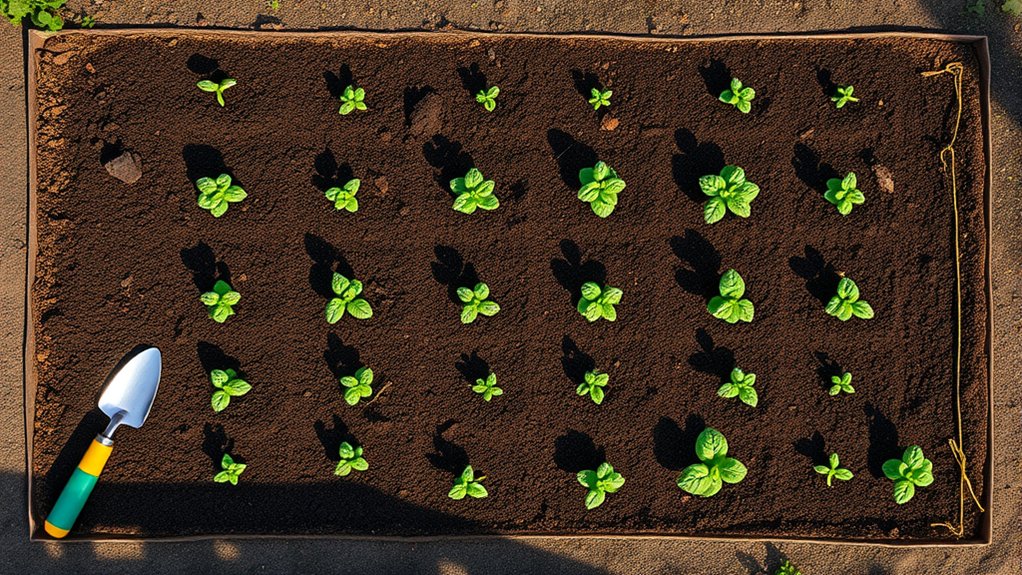
Next, consider plant height. Tall crops can block light from shorter ones, so place corn, trellised beans, or other high growers on the north side of the bed. This simple approach to planning shadows helps you give each plant enough light throughout the day.
Finally, match each crop to the space it needs at maturity. Check seed packets for recommended spacing, and leave room for leaves and roots to spread. Group plants with similar light and water needs to simplify care. You can also use companion planting to pair compatible crops, such as basil and tomatoes, while avoiding combinations that compete for space or nutrients.
Add Paths for Easy Watering and Harvesting
Plan paths before planting so you can reach every bed without stepping on soil or crushing crops. Good path design gives you clear access for watering, weeding, and harvesting while keeping beds compact.
Make main routes wide enough for a wheelbarrow, and keep smaller paths comfortable for walking and carrying a basket. Choose a firm, nonslip surface, such as mulch, gravel, or stepping stones, to suit your budget and climate.
Before you settle the layout, consider how each route supports daily tasks:
- Place paths between beds so you can reach the center of each planting area from either side.
- Keep routes direct from the water source to beds, and plan irrigation routing to avoid hoses crossing walkways.
- Add a wider path to the garden entrance or compost area for moving tools and produce.
Mark your paths with string, then walk them before building. Adjust tight turns or awkward distances now; you’ll save effort throughout the growing season.
Frequently Asked Questions
How Often Should I Water a Newly Planted Vegetable Garden?
Water your newly planted vegetable garden daily for the first week, especially during hot, dry, or windy weather. Check the soil first: if the top inch feels dry, water gently at the base until the root zone is moist.
After plants establish, water deeply when the top inch or two dries, usually two or three times weekly. How often to water depends on soil, weather, and plant type. This Newly planted care helps roots settle.
What Type of Soil Is Best for Growing Vegetables?
As the alchemists might say, you’ll grow vegetables best in loamy soil: a rich, crumbly blend of sand, silt, and clay. Good soil structure lets roots spread while holding enough water and nutrients. Aim for a pH balance around 6.0 to 7.0 for most vegetables.
If your soil is heavy clay or sandy, work in compost to improve it. Test your soil first, then amend it to match your crops’ needs.
How Can I Improve Poor Garden Soil?
Improve poor garden soil by adding two to three inches of finished compost and mixing it into the top six inches. These soil improvement steps boost organic matter, drainage, and nutrient availability.
Use composting techniques such as layering kitchen scraps with dry leaves, then letting the pile decompose fully before applying it.
Test your soil’s pH and nutrients, and amend only as needed. Add mulch to protect the surface and retain moisture.
When Should I Fertilize My Vegetable Garden?
Fertilize your vegetable garden at planting, then feed crops as they grow. A steady meal keeps your garden’s engine humming. Follow each crop’s needs and your fertilizer product label. Leafy greens often benefit from a midseason boost, while fruiting plants may need feeding when flowers appear.
Test your soil first to understand its nutrient levels, and avoid overfertilizing. Too much fertilizer can burn roots or encourage excess leaves instead of vegetables. Water after applying fertilizer.
How Can I Protect Vegetables From Pests and Diseases?
Protect vegetables by combining pest-resistant varieties with disease prevention strategies. Choose healthy seedlings, rotate crops each year, and space plants so air circulates. Water at the soil level in the morning, remove weeds and infected leaves, and clear plant debris.
Check plants often for eggs, spots, or damage. Handpick pests or use row covers before infestations spread. Encourage beneficial insects, and apply targeted treatments only when needed, following label directions carefully.
Conclusion
A well-planned vegetable garden is like a small stage: give every plant the light, room, and access it needs to thrive. Check your sunlight, measure your space, and choose crops that suit your climate and household.
Arrange taller plants so they don’t shade shorter ones, and leave paths wide enough to water and harvest with ease. You don’t need a perfect plot, just a thoughtful layout.
Start with these five steps, then adjust your vegetable garden as it grows.