How to Start a Small Garden in 3 Simple Steps
Starting a small garden can feel overwhelming when you’re unsure what to plant or where to begin. You’re not alone—many people struggle to make the most of a small space. The good news is that learning how to start a small garden doesn’t have to be complicated.
Start a small garden in three steps: map your sunlight, choose suitable plants, and prepare your space. First, track sun and shade throughout a clear day, then sketch your garden, noting paths, walls, and usable areas.
Next, pick a few easy-care plants that match your light and space, such as parsley for containers or lettuce for partial shade. Finally, prepare containers with drainage and fresh potting mix, or enrich garden soil with compost.
Plant seedlings at the right depth, water them, and follow along for care tips.
Key Takeaways
- Observe sunlight throughout the day, then sketch your space and mark sunny, shaded, and partially shaded areas.
- Plan practical zones for plants and keep paths clear so you can reach, water, and tend everything comfortably.
- Choose a few easy-care plants suited to your light, space, and preferences, checking their mature size and care needs.
- Prepare containers with drainage and fresh potting mix, or loosen garden soil and add compost.
- Plant at the recommended depth and spacing, water thoroughly, then check regularly for moisture, growth, and pests.
Assess Sunlight and Plan Your Small Garden
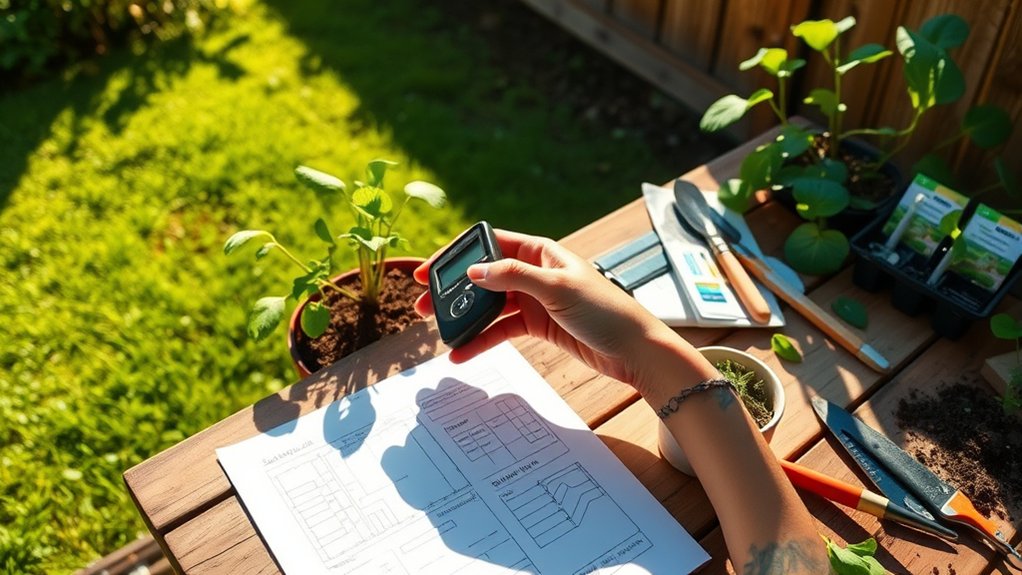
Before choosing plants, find out how much sunlight your garden gets. Track the light across your space for a full day, checking in the morning, at midday, and late afternoon. Note where shadows fall and how they shift.
This simple sunlight mapping shows which areas receive steady sun, partial shade, or little direct light. Repeat the check on a clear day, since clouds can make your observations less reliable.
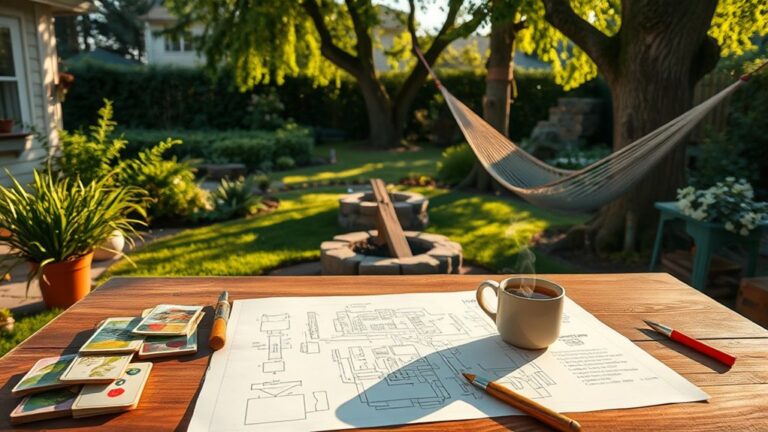
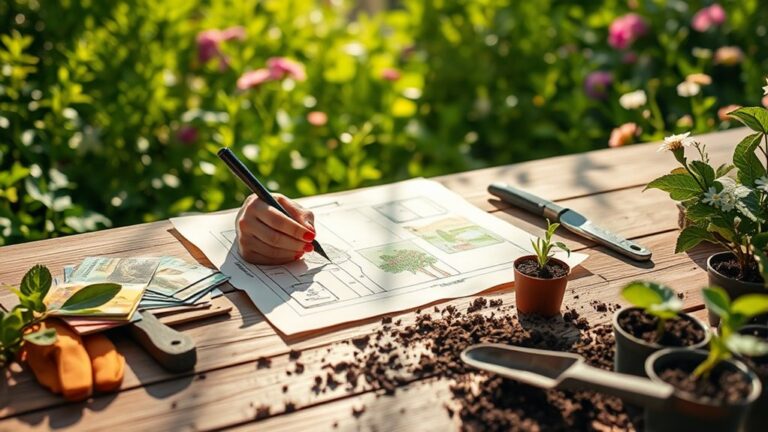
Next, measure your garden and sketch its shape, including walls, paths, doors, and existing features. Mark sunny and shaded areas on your drawing, then use space zoning to assign each section a purpose.
Keep walkways clear and place frequently used areas where you can reach them easily. If you’re working with a balcony or patio, account for railings and nearby buildings that may block light.
A practical plan helps you use every corner wisely and avoid overcrowding. Leave room to move, water, and tend your garden comfortably. Review your sketch before buying supplies.
Choose Easy-Care Plants for Your Space
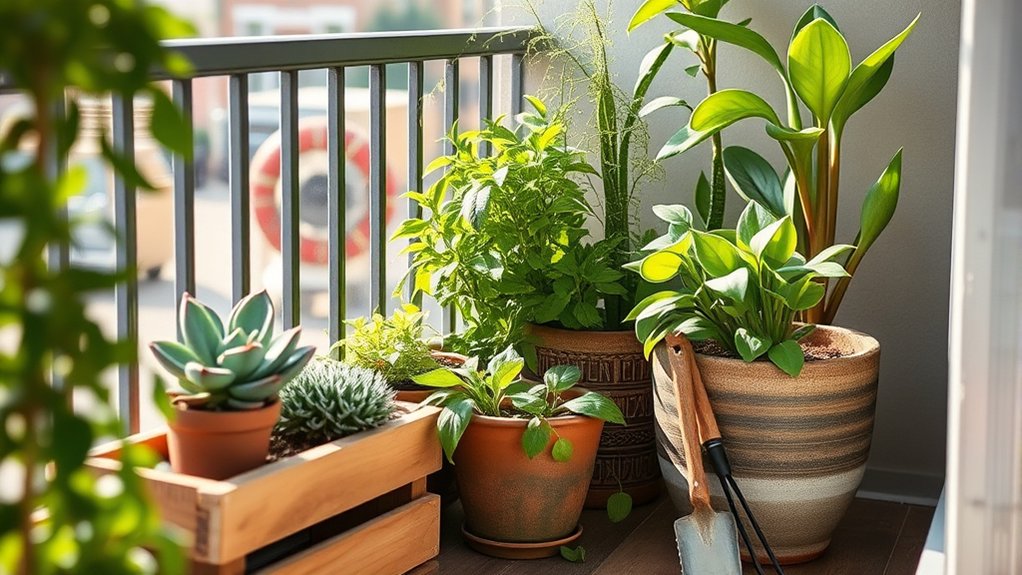
With your garden’s light and layout mapped out, choose plants that suit those conditions and fit the time you can give them. Start by matching each plant to its preferred sun exposure and available space.
Compact herbs like chives and parsley work well in containers, while leafy greens can thrive in partial shade. For sunny spots, consider cherry tomatoes or marigolds if you’re ready to water them regularly.
Look for low maintenance options that tolerate occasional missed watering, such as succulents in bright areas or hardy herbs like thyme. If you’re new to gardening, beginner friendly choices such as lettuce, radishes, and basil can offer quick, rewarding growth.
Check plant labels for mature size, watering needs, and harvest timing so you know what to expect. Choose a few varieties rather than crowding your space with too many plants.
Think about what you enjoy eating or seeing, and select plants with compatible care needs. This makes your small garden easier to manage and more enjoyable.
Prepare Your Small Garden and Plant
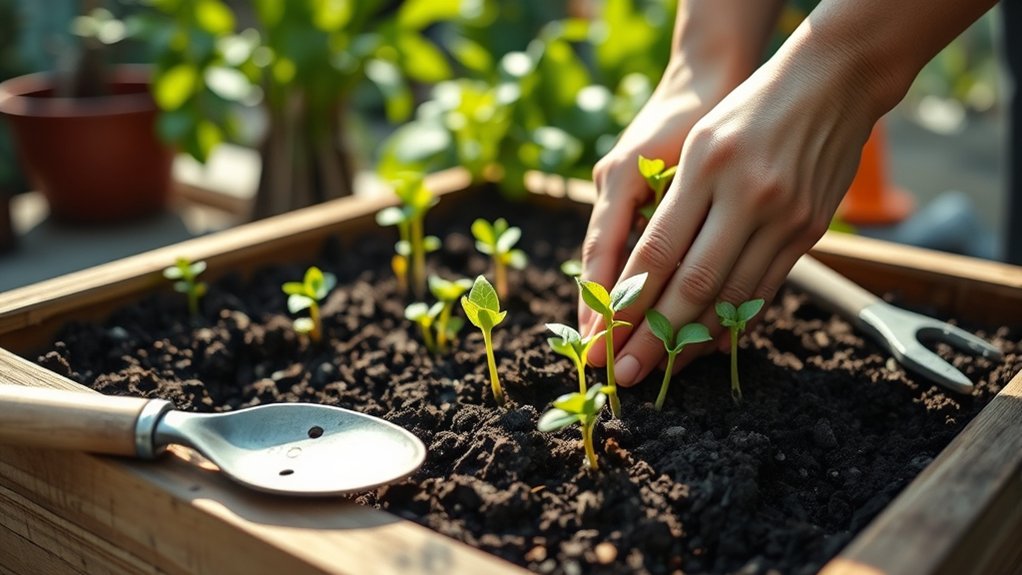
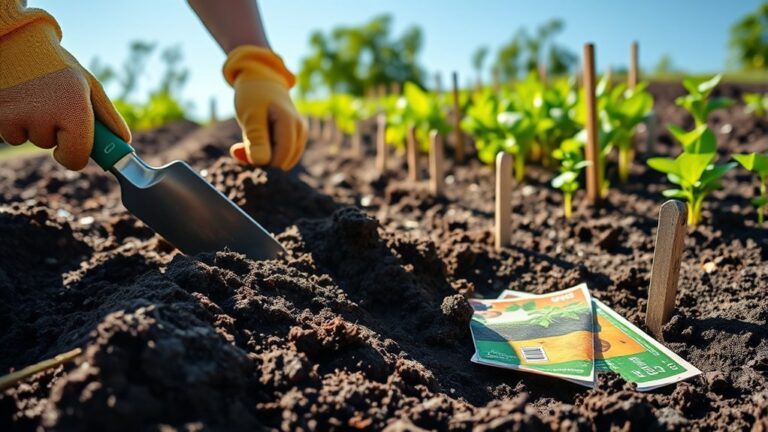
Ready to plant? Choose containers with drainage holes, or loosen garden soil so roots can spread. Fill pots with fresh, lightweight potting mix; garden beds benefit from compost blended into the top few inches. Check each plant’s label for spacing and depth, then make holes large enough to hold roots without crowding.
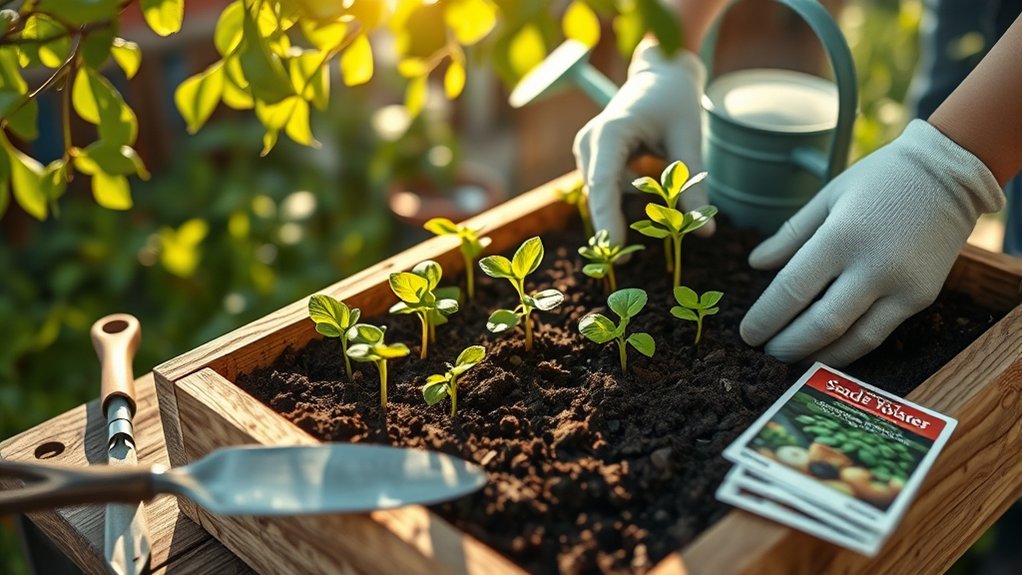
Use seedling timing to guide your start: wait until frost danger has passed for warm-season crops, or sow cool-weather varieties earlier when conditions suit them. Water seedlings before transplanting, ease them from their trays, and set each one at the same depth it grew before. Press soil gently around the roots, then water thoroughly.
Give each plant the light its label recommends, and keep soil evenly moist, not soggy. Establish a container rhythm by checking pots daily; they dry faster than beds. Add mulch to slow evaporation, and feed plants as directed. Watch for new growth, wilting, or pests, and adjust care early. Your garden’s off to a strong start.
Frequently Asked Questions
How Often Should I Water My Small Garden?
Water your small garden when the top inch of soil feels dry—often once or twice a week, though conditions vary. Your watering schedule should reflect sun exposure, temperature, wind, soil type, and rainfall. Hot, sunny days may require more frequent watering; cool or rainy weather calls for less.
Water slowly at the soil level, preferably in the morning, so roots absorb moisture and leaves dry before evening. Check soil regularly instead of relying only on a fixed routine.
What Natural Methods Can Control Common Garden Pests?
Use barriers, invite beneficial insects, and remove pests by hand. Natural pest control works best when you combine simple strategies: spray aphids with water, place row covers over vulnerable plants, and encourage ladybugs with flowering herbs.
Try Companion planting methods by growing basil near tomatoes or marigolds beside vegetables to deter some pests. Check leaves regularly, prune damaged growth, and keep your garden tidy. Avoid broad-spectrum sprays that can harm pollinators and helpful insects.
How Can I Improve Soil Drainage in a Small Garden?
Improve drainage by loosening compacted soil and mixing in soil amendments such as finished compost or coarse bark. Avoid adding sand to clay soil; it can make compaction worse.
Try drainage strategies like raising beds, shaping gentle slopes, and keeping paths from channeling water into planting areas. Follow composting basics by using mature, crumbly compost rather than fresh scraps.
If your ground stays soggy, choose container options with drainage holes and quality potting mix.
When Should I Harvest Vegetables and Herbs?
Harvest vegetables and herbs when they reach their ideal size, color, and aroma; harvest timing varies by crop. Pick leafy greens young for tenderness, tomatoes when fully colored, and zucchini while small and firm.
Snip herbs in the morning after dew dries, before they flower, for the strongest flavor. Use flavor checks by tasting a small piece, and harvest regularly. You’ll encourage continued growth, prevent overripening, and enjoy fresher produce from your garden.
How Do I Protect My Garden From Frost?
Frost can sneak in like an uninvited guest, so cover your plants before temperatures drop. Check Frost timing in your local forecast, and act when nights approach freezing.
Use Protective covers, such as breathable fabric, old sheets, or cloches, to trap warmth; drape them over plants before sunset and secure the edges. Keep covers from pressing on foliage, and remove them in the morning once temperatures rise. Water soil earlier that day to help retain heat.
Conclusion
Your small garden starts with three simple choices: find the sunniest spot, pick easy-care plants, and prepare the soil before planting. You don’t need a large yard or perfect skills, just a little attention and room to grow.
Water consistently, watch for new leaves, and adjust as your plants settle in. Soon, you’ll see the first signs of success.
And when that first flower or fresh harvest appears, you’ll know the best part of starting a small garden is only beginning.