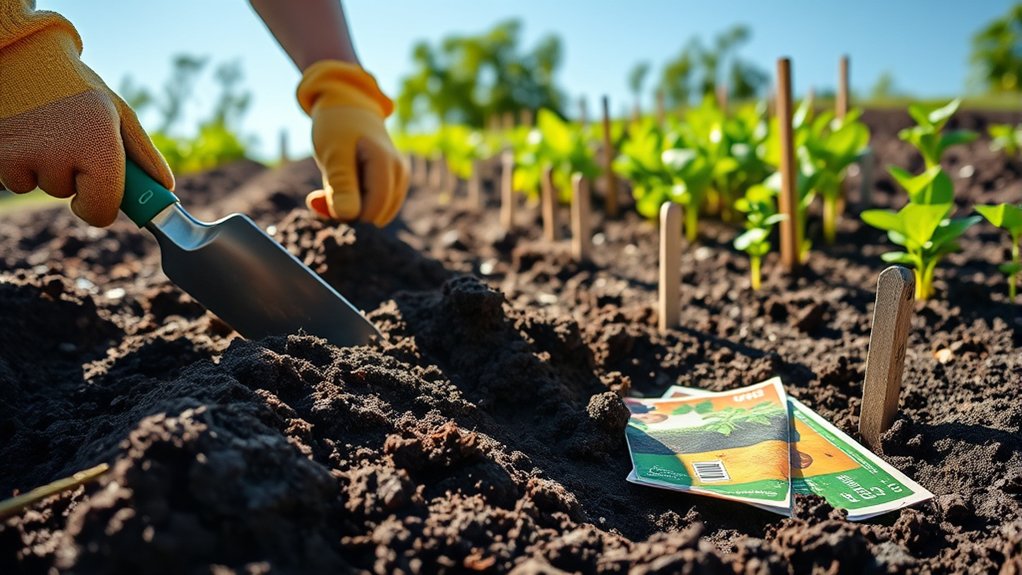
How to Prepare a Vegetable Garden in 3 Simple Steps
Starting a vegetable garden can feel overwhelming when you’re unsure where to begin or how to get healthy plants to grow. You’re not alone—many new gardeners face the same challenges. This simple guide to preparing a vegetable garden will help you get started with confidence.
Prepare a vegetable garden in three simple steps. First, choose a level spot with at least six hours of direct sun, observe shade, and sketch beds and paths after measuring. Next, loosen soil 8–12 inches, remove weeds and rocks, and mix in 2–3 inches of finished compost; use a soil test to guide amendments. Finally, pick crops suited to your space and frost dates, then plan their placement and rotation. A few extra tips can help your garden thrive.
Key Takeaways
- Choose a level, sunny spot with at least six hours of direct sunlight and easy access to water.
- Measure the space and plan beds, paths, and crop zones, keeping tall plants from shading shorter ones.
- Loosen soil 8–12 inches deep, then remove weeds, rocks, and large clumps.
- Test the soil and mix in two to three inches of finished compost, following test results to avoid over-fertilizing.
- Choose vegetables suited to your space and local growing season, and plan to rotate crop families each year.
Choose a Sunny Spot and Plan Your Vegetable Garden
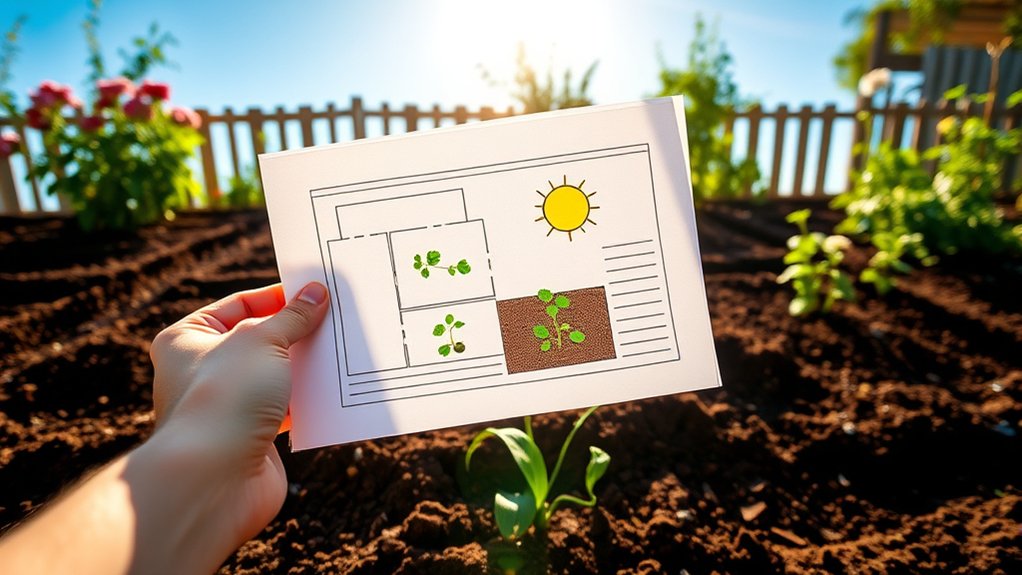
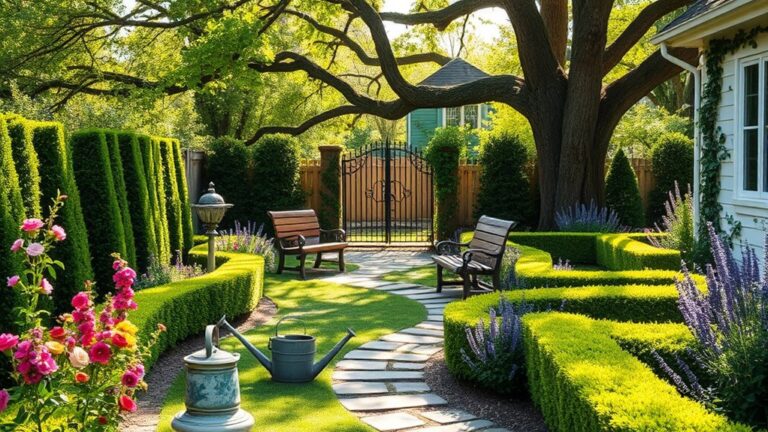
Choose a sunny spot that gets at least six hours of direct sunlight each day, since most vegetables need plenty of light to grow well. For successful sunny spot selection, watch how sunlight moves across your yard throughout the day. Avoid areas shaded by buildings, fences, or large trees, and choose a level location near a water source for easier care.
Next, measure the available area and sketch a simple garden plan. Group vegetables by their size, growth habits, and harvest timing. Place tall plants, such as corn or trellised beans, where they won’t shade shorter crops. Keep sprawling vines at the edges, and leave enough room between rows for you to reach plants comfortably.
Use garden space zoning to separate crops that need different amounts of room or attention. Mark paths, beds, and containers before you begin, so you can move around without stepping on growing areas. Check your plan against the space you have, and choose crops that fit your light and layout. Don’t overcrowd your garden; leave room for healthy growth.
Prepare Your Garden Soil for Planting
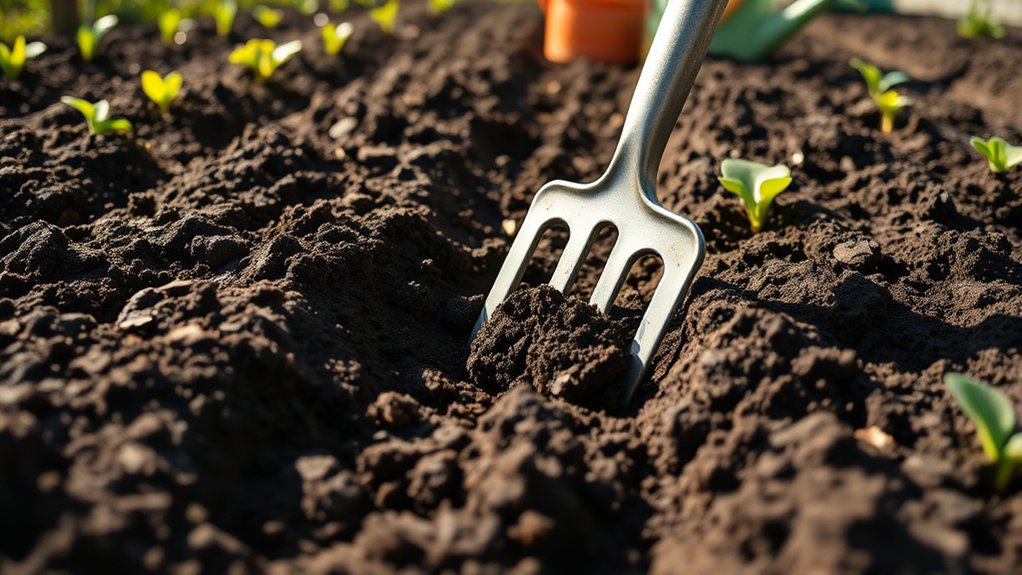
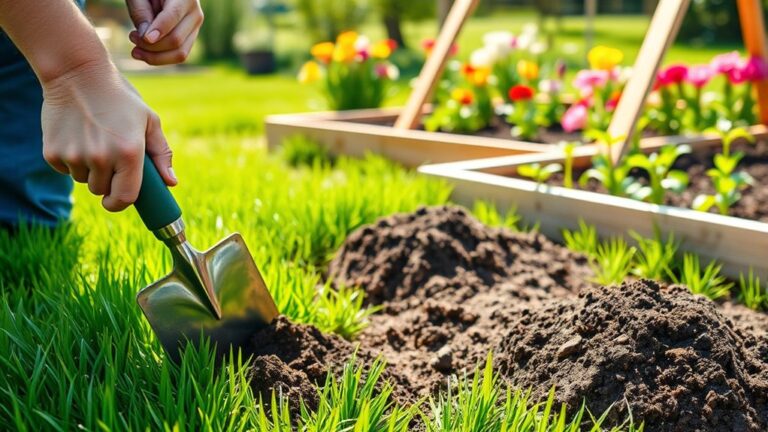
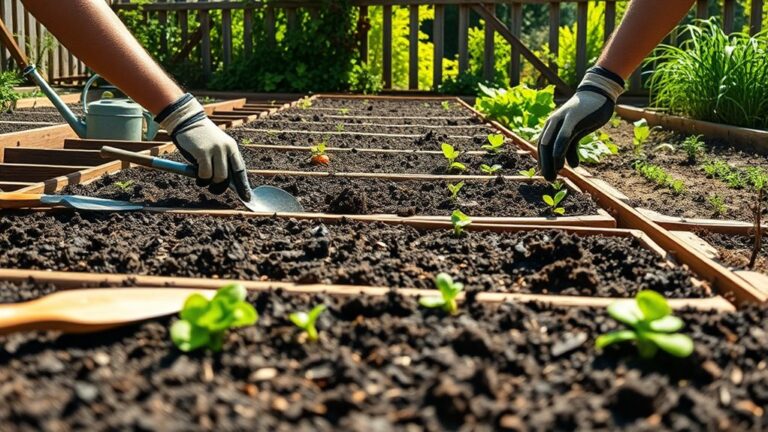
Before planting, loosen the soil to a depth of about 8–12 inches so roots can spread easily. Remove rocks, weeds, and sticks as you work, breaking up large clumps without packing the soil down. If the ground feels hard or drains poorly, improve its structure with organic matter.
Loosen soil 8–12 inches deep, clear away debris, and break up clumps without compacting the ground.
Start with soil testing to learn your soil’s pH and nutrient levels. A home kit or local lab can show whether you need to adjust acidity or add specific nutrients. Follow the results rather than guessing, and avoid applying more fertilizer than recommended.
Mix in two to three inches of finished compost, then blend it into the loosened topsoil. Check compost quality: it should be dark, crumbly, and earthy-smelling, with no recognizable food scraps or fresh manure. Mature compost adds nutrients and helps soil hold moisture while draining well.
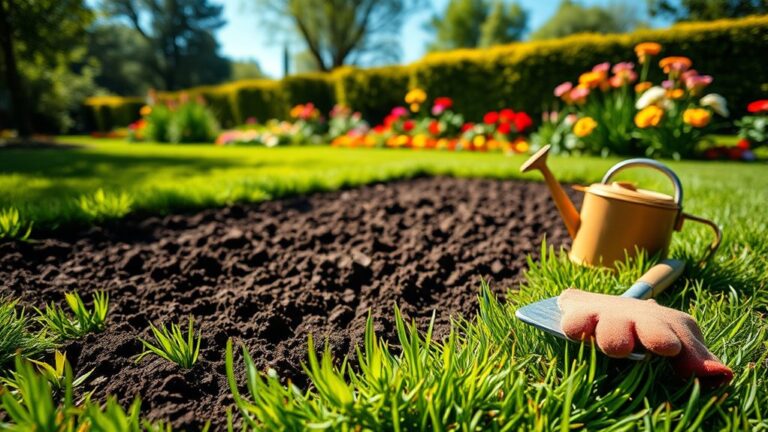
Rake the surface smooth, then water lightly to settle the soil. Let it rest for a few days before planting.
Choose Vegetables for Your Space and Season
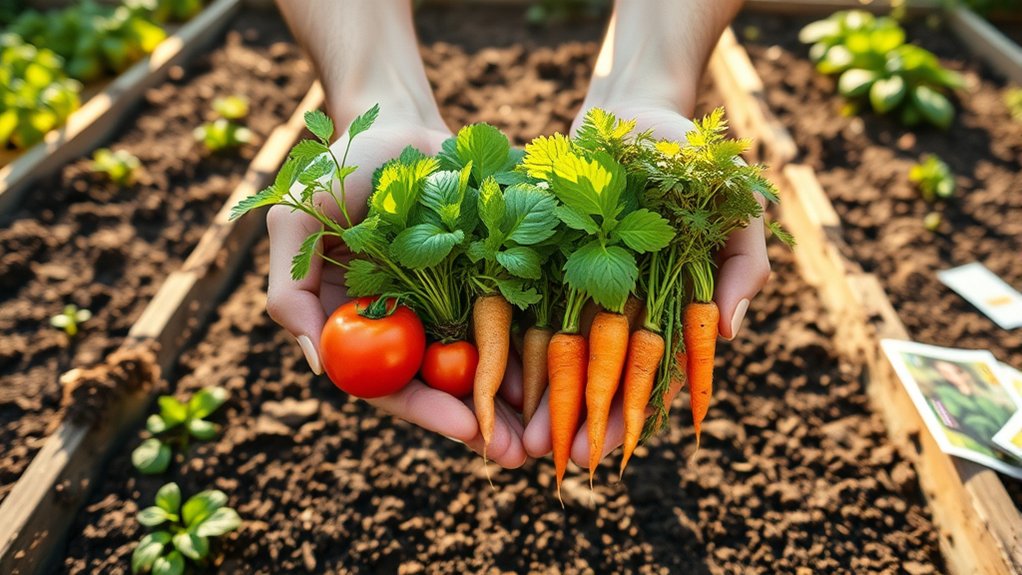
What you plant depends on how much space you have and when your growing season begins and ends. Check your local frost dates and count the weeks available for growing. Then match vegetables to your conditions.
Choose cool-season crops, such as lettuce, peas, and spinach, for spring or fall. Save heat-loving tomatoes, peppers, and beans for warm weather.
Measure your garden before buying seeds or seedlings. If you have limited space, grow compact varieties or use trellises for cucumbers and pole beans. Containers suit herbs, leafy greens, and dwarf vegetables, provided you can give them enough sunlight and water. Read plant labels to learn each crop’s spacing and light needs.
Thoughtful seed selection helps you avoid plants that won’t thrive in your climate. Start with a few reliable favorites, then add new crops as you gain experience. Plan crop rotation by moving plant families to different beds each year. This practice can reduce disease and help maintain healthy soil.
Frequently Asked Questions
How Often Should I Water My Vegetable Garden?
Water your vegetable garden when the top inch of soil feels dry, usually about once or twice a week. Adjust watering frequency for heat, rainfall, soil type, and plant needs; containers may need daily watering in hot weather.
Check soil moisture before you water instead of following a rigid schedule. Water deeply at the base in the morning, helping roots grow strong while reducing evaporation and keeping leaves drier to discourage disease.
What Mulch Is Best for a Vegetable Garden?
For most vegetable gardens, you’ll get the best results from clean straw, shredded leaves, or untreated grass clippings. A 2-inch layer can reduce water evaporation by about 25%, highlighting mulching benefits such as steadier soil moisture and fewer weeds.
Choose organic mulches because they break down and enrich your soil. Keep mulch a few inches away from plant stems to prevent rot, and replenish it as it decomposes. Avoid hay that contains weed seeds.
How Can I Protect Vegetables From Pests?
Protect vegetables by checking leaves often and removing pests by hand before they spread. Use row covers to block insects, and choose pest resistant varieties suited to your region.
For effective protecting crops, rotate plant families each year, clear away diseased debris, and encourage beneficial insects with flowering plants. Water at soil level to keep foliage dry, and use barriers or targeted, garden-safe treatments only when needed. Don’t spray broadly, since that can harm helpful pollinators.
When Should I Harvest My Vegetables?
Harvest your vegetables when they reach their mature size, color, and texture; harvest timing varies by crop and variety. Check seed packets or plant labels for expected days to maturity, then inspect your produce regularly.
Use flavor testing to guide your decision: taste a small sample when it looks ready, and pick it if the flavor suits you. Harvest leafy greens young, and pick tomatoes when they’re fully colored but still firm.
Frequent picking often encourages continued production.
How Do I Store Freshly Harvested Vegetables?
Store freshly harvested vegetables according to their needs: keep leafy greens cool and humid, and place dry onions, garlic, and potatoes in a dark, well-ventilated spot. For storing without refrigeration, use baskets or breathable bags, and keep produce away from direct sunlight.
For short term refrigeration techniques, don’t wash vegetables until you’re ready to use them; refrigerate greens in a damp towel and keep ethylene-producing fruit away from sensitive vegetables. Check produce daily and remove anything spoiled.
Conclusion
Your garden’s success starts with three simple choices: find a sunny spot, prepare healthy soil, and pick vegetables suited to your space and season. You’ve done the groundwork, but the most exciting part is still ahead. As you plant, each seed holds a small promise, and you won’t know which will thrive until the first shoots appear.
Give your vegetable garden steady care, watch closely, and stay curious. Soon, you’ll uncover what your little patch can grow.