How to Start a Vegetable Garden in 5 Simple Steps
Starting a vegetable garden can feel overwhelming when you’re unsure what to plant or how to keep it thriving. You’re not alone—many beginners struggle to know where to begin. This guide to how to start a vegetable garden in 5 simple steps will help you get growing with confidence.
Start a vegetable garden by choosing two or three easy crops you enjoy, such as lettuce, radishes, or beans. Pick an accessible spot with at least six hours of sunlight, then prepare a bed or containers with loose, well-draining soil enriched with compost. Plant cool-season crops in spring or fall and warm-season crops after frost passes. Water when the top inch of soil feels dry, weed regularly, and mulch to conserve moisture. A few simple details can help your first garden thrive.
Key Takeaways
- Start with two or three easy vegetables you enjoy, such as lettuce, radishes, spinach, tomatoes, or beans.
- Choose an accessible spot with at least six hours of direct sunlight daily, matching light conditions to your crops.
- Prepare a garden bed or containers with loose, well-draining soil enriched with finished compost.
- Plant at the right time for your climate, checking local frost dates and seed-packet or plant-label guidance.
- Water consistently, remove weeds, add mulch, monitor for pests, and harvest vegetables promptly.
Choose Easy Vegetables for Your First Garden
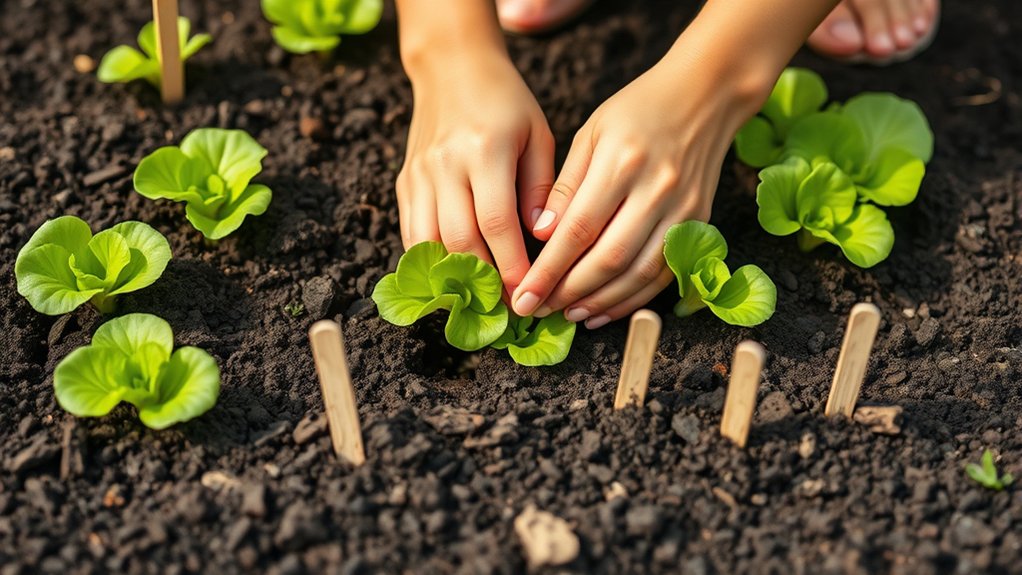
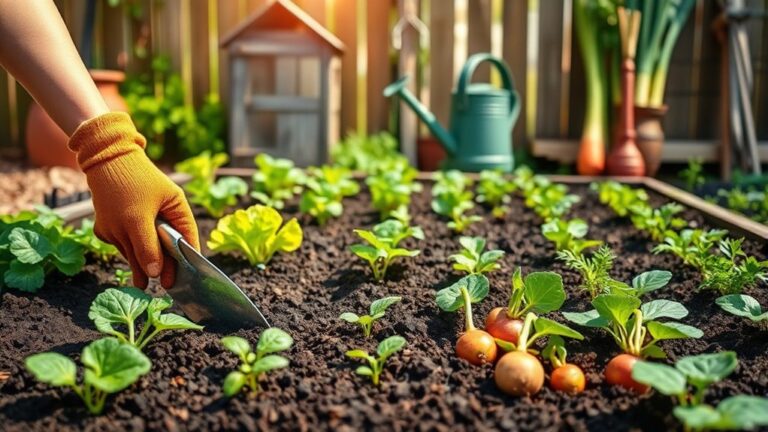
Start with vegetables that grow quickly and don’t need much fuss. Lettuce, radishes, and spinach can reward you with a harvest in just a few weeks, keeping your first garden encouraging. If you’d rather pick produce over time, choose tomatoes, peppers, or beans; they keep producing when you harvest regularly.
Think about what you enjoy eating before you buy seeds or seedlings. Growing food you’ll actually use makes tending your garden feel worthwhile and helps prevent waste. For a simple start, try easy vegetables such as bush beans, zucchini, or leafy greens. Look for beginner friendly varieties labeled compact, disease-resistant, or suitable for containers if you have limited space.
You don’t need to grow a wide range right away. Choose two or three crops, then learn how each one grows and when to harvest it. Check seed packets for days to maturity, and pick options that fit your patience and cooking habits. A small, well-chosen selection makes your first season easier to manage.
Pick a Sunny Spot to Start Your Vegetable Garden
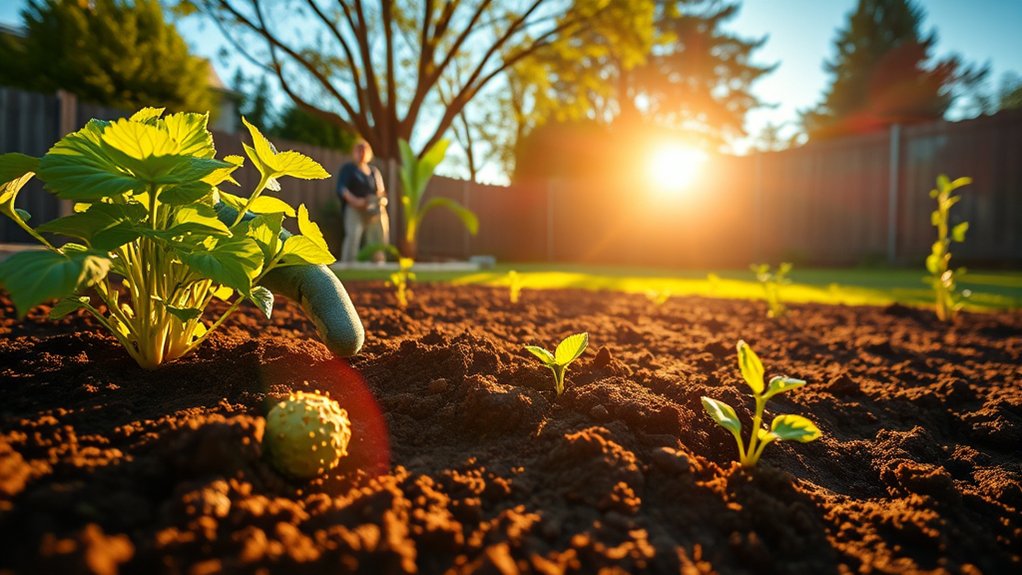
Once you’ve chosen your vegetables, find a spot that gets at least six hours of direct sunlight a day. Most fruiting crops, including tomatoes, peppers, and cucumbers, need plenty of sun to grow well. Leafy greens can tolerate a little less, so match your plants’ needs to the light available.
For effective sunny spot selection, watch your yard throughout the day. Sunlight shifts with the season, and a location that looks bright in spring may become shaded as trees fill out.
Check the area in the morning, around midday, and in the afternoon before you decide. Consider shade from nearby buildings, fences, and trees. Even partial shade can reduce harvests for sun-loving vegetables, while intense afternoon heat may stress plants in hot climates.
If your yard gets strong afternoon sun, choose a spot with gentle late-day shade for heat-sensitive crops. You can also use containers to take advantage of changing light, moving them as needed. Pick a location you can reach easily, so you’ll notice how sunlight changes and keep an eye on your plants.
Prepare Your Garden Bed or Containers
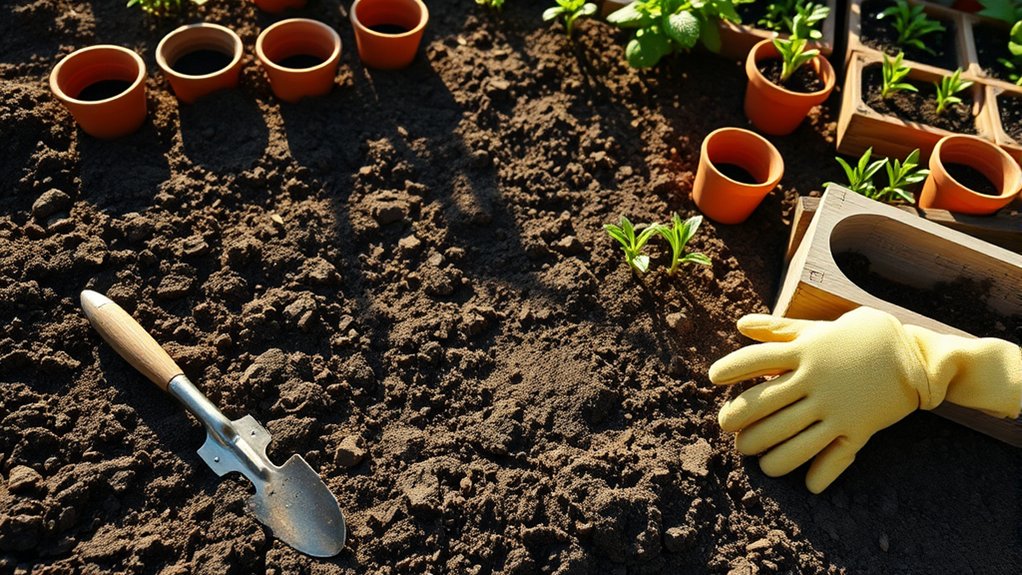
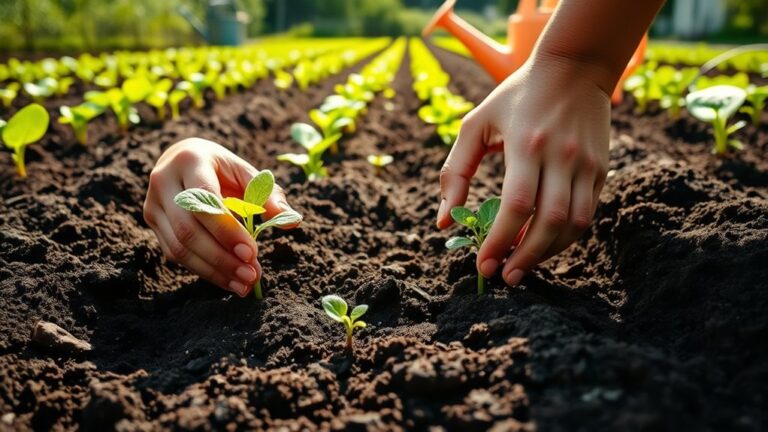
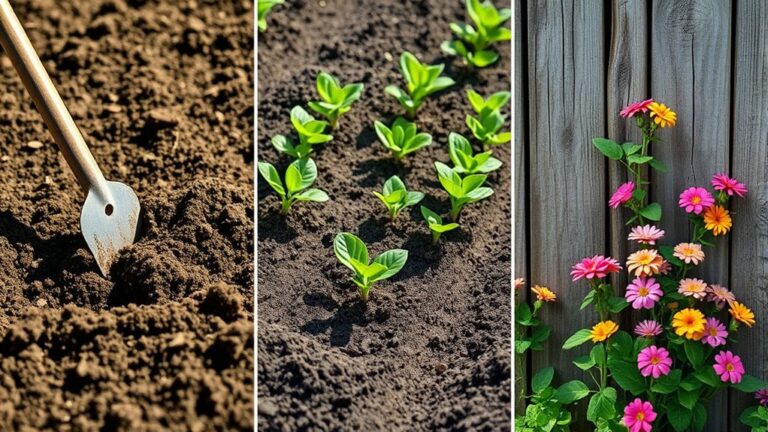
Prepare your garden bed or containers with loose, well-draining soil so roots can spread and excess water can escape. Clear weeds, rocks, and debris from your garden bed, then loosen the top several inches with a fork or spade.
Mix in finished compost to improve texture and add nutrients. Avoid working wet soil, which can compact and restrict root growth.
For containers, choose sturdy pots with drainage holes. Check container depth before planting: most vegetables need at least 12 inches, while deeper-rooted crops may need more.
Fill pots with a quality potting mix rather than garden soil, which can become dense and drain poorly in containers. Leave an inch or two of space below the rim so watering won’t spill over.
Water the prepared soil lightly and let it settle. If it sinks, top it up with more mix or compost.
Keep the surface level, but don’t pack it down; roots need air as well as moisture.
Plant at the Right Time for Your Climate
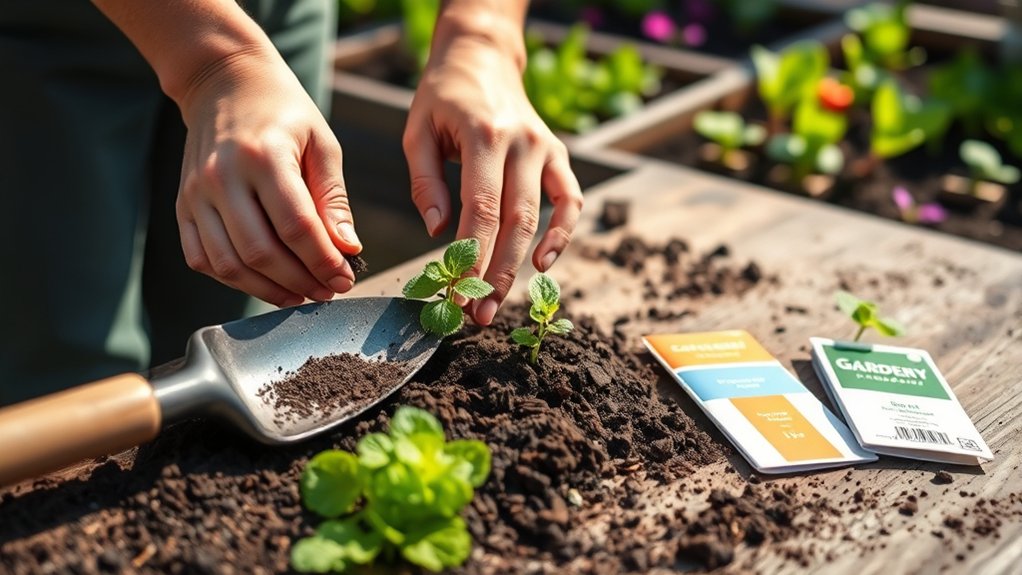
Timing depends on your climate and the crop: plant cool-season vegetables in early spring or fall, and wait until frost has passed to plant warm-season crops. Check your local frost dates to choose planting days that give each vegetable enough time to mature.
Your area’s last spring frost and first fall frost provide useful guides, but conditions can vary from year to year. For reliable timing with frost, watch local forecasts and protect tender seedlings if an unexpected cold snap threatens.
Read seed packets and plant labels for recommended dates, soil temperatures, and days to harvest. Count backward from your region’s first fall frost when planning crops that need a long growing season. For summer vegetables, make sure warm weather has arrived before you sow or transplant.
Use heat zone planning, too. A plant’s heat tolerance matters in regions with intense summers, where some crops may struggle during the hottest months. Choose varieties suited to your climate, and adjust planting dates to match your local growing season.
Water, Weed, and Care for Your Vegetables
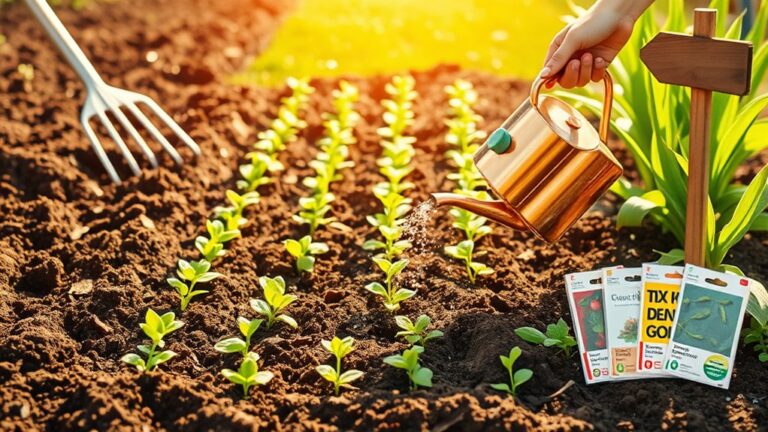
Water consistently to keep the soil evenly moist, adjusting for rainfall, heat, and your vegetables’ needs. Check the soil with your finger; if the top inch feels dry, water deeply at the base of each plant. Morning watering reduces evaporation and gives leaves time to dry, helping prevent disease. Use a soaker hose or drip line to improve water efficiency and keep foliage dry.
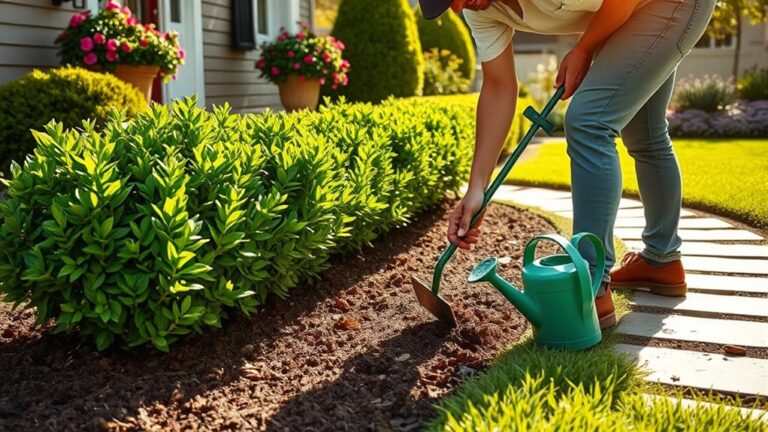
Practice weed management by pulling weeds while they’re small, loosening their roots before they spread. A layer of clean mulch can suppress weeds, conserve moisture, and moderate soil temperature. Avoid piling mulch against stems.
Inspect your plants often for pests, disease, and signs of stress, such as yellowing leaves or wilting. Remove damaged foliage, support climbing crops, and harvest ripe vegetables promptly to encourage continued production. Follow seed-packet spacing and care guidance, and adjust your routine as conditions change. With steady attention, you’ll help your garden stay healthy and productive throughout the growing season.
Frequently Asked Questions
Do I Need a Permit to Start a Vegetable Garden?
You usually don’t need a permit to start a small vegetable garden on your property. However, local permit considerations and zoning restrictions may apply, especially if you’re building raised beds, a greenhouse, a fence, or irrigation structures.
Rules can also differ for rental properties, shared spaces, and front yards. Check your city or county website, and ask your landlord or homeowners association before you begin. That way, you’ll avoid unexpected fines or required changes.
How Much Does It Cost to Start a Vegetable Garden?
You can start a vegetable garden for about $50–$300, depending on its size and setup. Think of your budget as a seed: small investments can grow into a productive garden.
Your cost breakdown might include seeds or seedlings ($10–$50), containers or raised beds ($20–$150), and tools ($15–$60). Soil preparation may add $20–$100 for compost and amendments.
Reuse containers and choose seeds to keep your first-season costs low.
Can I Grow Vegetables Indoors Year-Round?
Yes, you can grow vegetables indoors year-round if you provide enough light, warmth, and care. Choose compact crops such as lettuce, herbs, spinach, and cherry tomatoes.
Strong indoor lighting, especially full-spectrum grow lights, helps plants thrive when sunlight is limited. Your year-round viability depends on matching crops to your space and maintaining consistent conditions.
Water regularly, use well-draining containers, and feed plants as needed. With a little planning, you can harvest fresh produce in every season.
How Can I Keep Pets Out of My Vegetable Garden?
Keep pets out of your vegetable garden by combining sturdy barriers with consistent training. Install pet proof fencing around the beds, and choose a fence height your animals can’t easily jump or climb; bury the bottom edge if they dig. Cover individual plants with cloches or wire cages, and use raised beds where practical. Give your pets a nearby play area, reward them for staying away, and supervise them until they learn the garden’s boundaries.
When Should I Harvest Homegrown Vegetables?
Harvest each vegetable when it reaches its peak, like catching a song at its sweetest note. To judge when to harvest, check the variety’s expected days to maturity, then look for signs of readiness: full color, firm texture, and the size listed on its seed packet.
Taste-test when you’re unsure. Pick tomatoes when they’re colored and slightly soft; harvest leafy greens young, and gather zucchini while they’re tender and small. Don’t wait too long.
Conclusion
Your first vegetable garden doesn’t need to be perfect. It just needs a place to begin. Choose easy crops, find a sunny spot, prepare your soil or containers, and plant when the weather suits your climate.
Then water, weed, and watch for signs of growth. Think of each small task as a seed of confidence. With steady care, you’ll soon enjoy fresh harvests and discover that starting a vegetable garden grows your skills along with your vegetables.