How to Prepare a Garden in 3 Simple Steps
Starting a garden can feel overwhelming when you’re not sure where to begin or what tools will make the job easier. You’re not alone—many people struggle to turn a patch of yard into a thriving garden. This roundup will help you get started with practical picks and simple advice for preparing a garden in three simple steps.
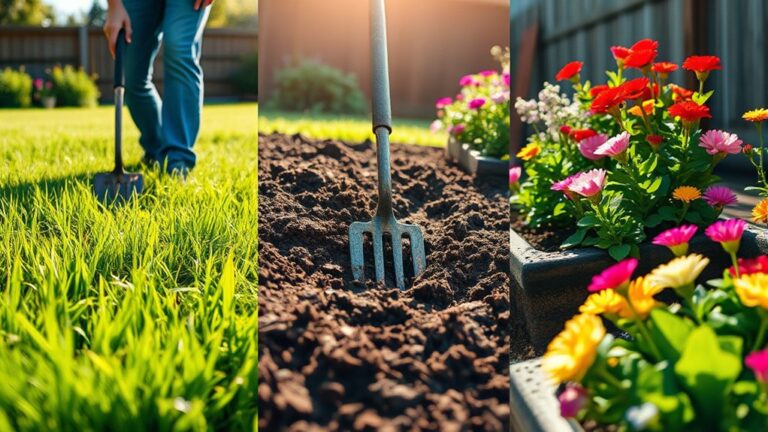
First, choose a sunny, well-drained spot near water, observe its light, and sketch reachable beds and paths around the crops you want to grow.
Next, pull weeds, loosen the soil when it’s dry, and mix in finished compost; test the soil before adding fertilizer or lime.
Finally, plant flowers, herbs, or vegetables suited to your space, water thoroughly, and keep the soil evenly moist as plants settle in.
A few practical tips can help you get started.
Key Takeaways
- Choose a sunny, well-drained site near water; most vegetables need at least six hours of direct sunlight.
- Measure the space, sketch reachable beds and paths, and group crops by sunlight, water, and height.
- Plan what to grow, allow room for growth, and keep the layout flexible for companion plants and future adjustments.
- Remove weeds and roots, loosen the soil when dry, and mix finished compost into the top few inches.
- Test soil if needed, follow amendment recommendations, rake it smooth, then water thoroughly after planting.
Choose the Right Site and Plan Your Garden
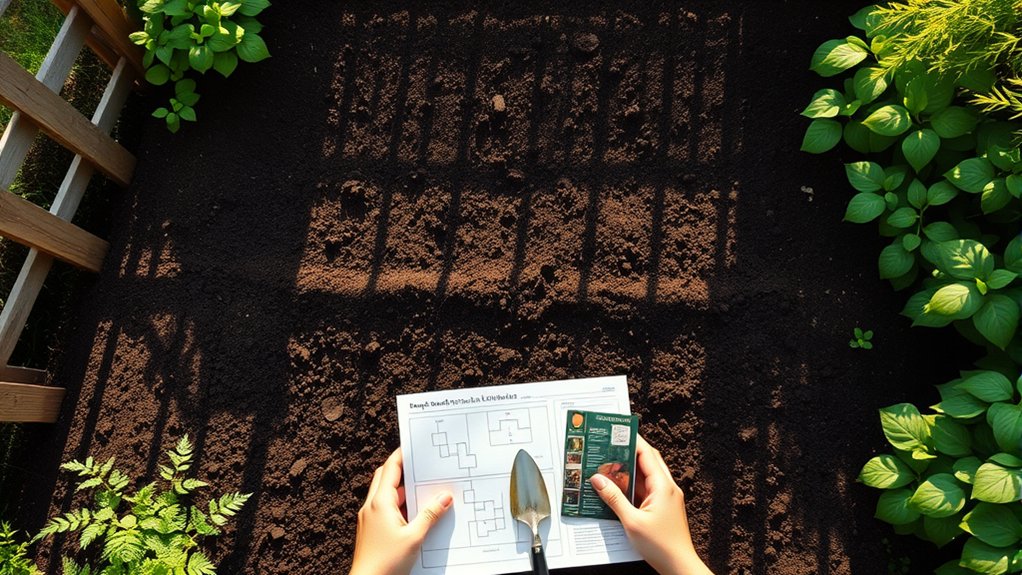
Start by choosing a sunny, well-drained spot that’s easy to reach and close to a water source. Check how sunlight moves across your yard during the day, then select a location that suits the crops you want to grow. Most vegetables need at least six hours of direct sun, while leafy greens can tolerate some shade.
> Choose a sunny, well-drained spot near water, and match its sunlight to the crops you plan to grow.
Next, sketch your garden on paper. Measure the available space and mark paths so you can reach every bed without stepping on plants. Use garden zoning to group crops by their sunlight, water, and space needs.
Keep taller plants where they won’t shade shorter ones, and place frequently harvested crops near the entrance. Plan what you’ll grow before buying seeds or seedlings. Consider your household’s favorite foods, your local climate, and the time you can spend caring for plants.
Try companion planting by pairing compatible crops, such as tomatoes and basil. Leave room for growth, and keep your layout flexible so you can adjust it as you learn what works best.
Clear Weeds and Prepare Your Garden Soil
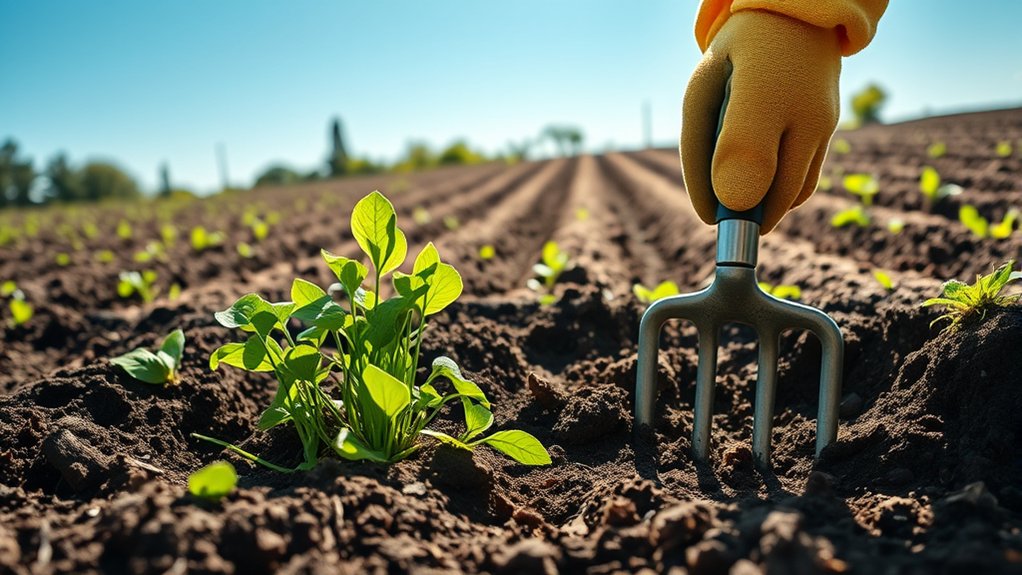
Before planting, clear weeds and prepare the soil so your crops have room to grow and access to nutrients. Pull young weeds by hand, removing their roots to limit regrowth.
For larger patches, loosen the soil with a hoe or garden fork, then lift out weeds and roots. Avoid working wet soil, which can compact under pressure.
Consistent weed management now can reduce competition and make later upkeep easier.
Next, check your soil’s texture and drainage. Break up compacted areas with a fork, but don’t turn the soil more than necessary.
Spread a layer of finished compost over the surface and mix it into the top few inches. Compost supports soil fertility, improves structure, and helps the ground retain moisture.
If you’re unsure what your soil needs, use a basic soil test before adding amendments. Follow its recommendations rather than guessing, since too much fertilizer or lime can harm soil balance.
Rake the surface smooth, removing stones and debris, and leave it loose and workable.
Plant Flowers, Herbs, or Vegetables
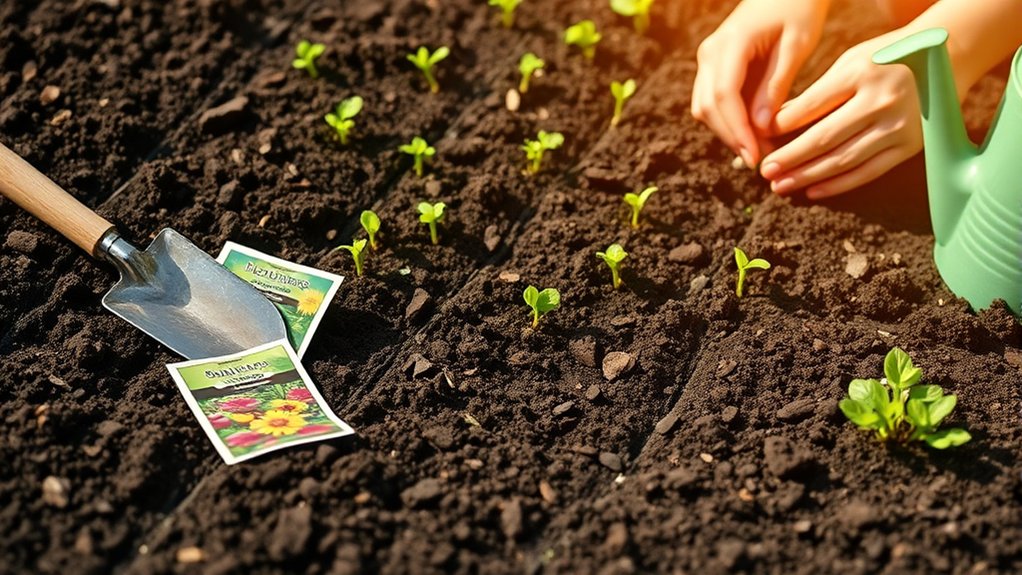
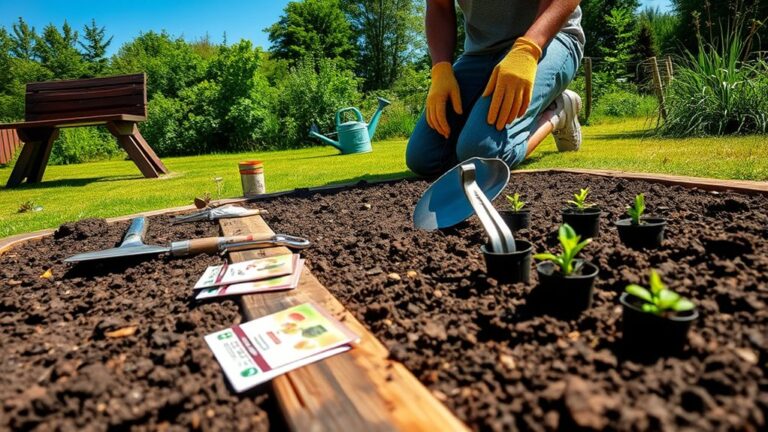
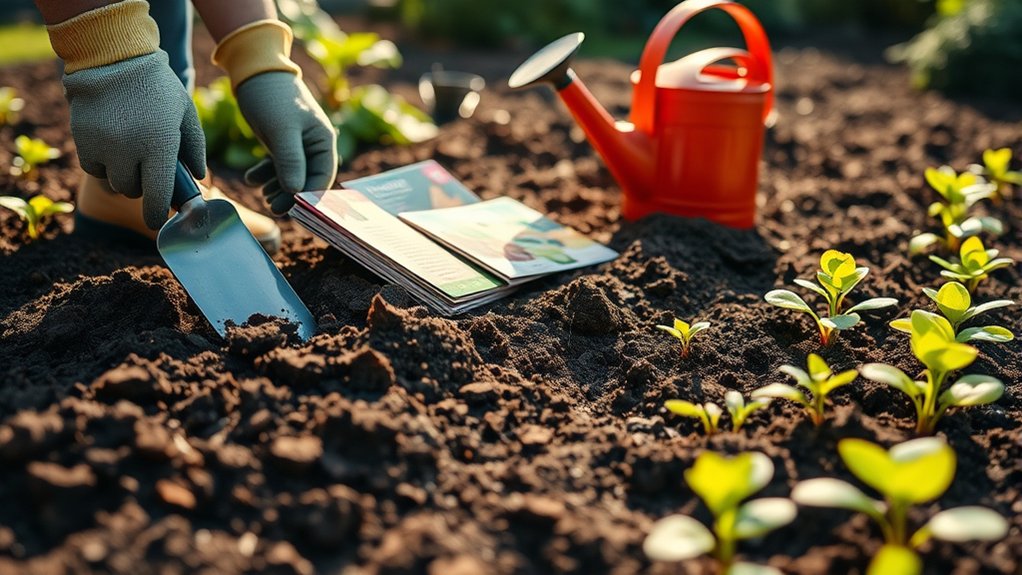
With the soil cleared and ready, choose flowers, herbs, or vegetables suited to your climate and sunlight. Check seed packets or plant labels for spacing, depth, and watering needs. Pick varieties you’ll enjoy growing and eating, and consider how much care you can provide.
Plan your garden layout before planting. Place tall plants where they won’t shade shorter ones, and leave paths so you can reach every bed. Group plants with similar water and sunlight needs to make care easier. Try companion planting by pairing compatible crops, such as tomatoes and basil, while keeping plants that compete for space apart.
Sow seeds at the recommended depth, or set seedlings gently into prepared soil. Space each plant as directed to give roots and leaves room to grow. Water thoroughly after planting, then keep the soil evenly moist as seeds sprout and young plants settle in. Add labels so you can track varieties and remember what you planted. Check plants regularly and adjust care as they grow.
Frequently Asked Questions
How Often Should I Water a Newly Planted Garden?
Water a newly planted garden daily for the first week, then every two to three days as roots establish. Your exact watering schedule depends on weather, soil, and plant type: check the soil before watering, and give plants a deep soak when the top inch feels dry.
In hot, windy conditions, you may need to water more often; after rain, skip a session. How often to water changes as plants grow.
What Tools Are Essential for Maintaining a Garden?
Essential tools for garden care include a hand trowel, pruning shears, a sturdy spade, a garden fork, gloves, and a watering can or hose. You’ll also benefit from a rake for clearing leaves and a hoe for managing weeds.
For basic maintenance, choose durable tools that fit your hands, clean them after use, and store them somewhere dry. You don’t need every gadget; start with these essentials and add tools as your garden’s needs grow.
How Can I Protect My Garden From Pests?
Protect your garden by checking plants often, removing damaged leaves, and handpicking visible pests. Cover vulnerable crops with protective netting, securing its edges so insects can’t slip underneath.
Encourage beneficial insects, such as ladybugs and lacewings, by planting diverse flowers and avoiding broad-spectrum pesticides. Water at the soil level, clear away weeds and fallen debris, and rotate crops each season.
If pests persist, choose a targeted treatment and follow its label carefully.
When Should I Add Compost or Fertilizer?
Your plants’ calendar starts before they bloom: add compost in early spring, then top-dress again in fall to build healthy soil. For compost timing, work a thin layer into the top few inches before planting, or spread it around established plants without covering stems.
Follow fertilizer scheduling based on your crop and soil test; many vegetables benefit at planting and during active growth. Don’t overfeed—too much fertilizer can burn roots and weaken plants.
How Do I Prepare My Garden for Winter?
Prepare your garden for winter by clearing diseased plants, removing weeds, and adding a layer of compost to replenish the soil. For How to winterize beds, water deeply before the ground freezes, then cover bare soil with mulch to protect roots and reduce erosion.
You can extend your harvest by Choosing cold hardy vegetables, such as kale or spinach, and using row covers. Clean and store tools, hoses, and pots before freezing weather arrives.
Conclusion
With the right site chosen, weeds cleared, and soil enriched, you’ve laid the groundwork for a thriving garden. Now plant flowers, herbs, or vegetables and give each one room to grow. Think of your garden as a living canvas: sunlight is your paint, and every seed is a promise.
Water regularly, watch for new growth, and enjoy the rewards of your care. Before long, you’ll see your simple preparations for how to prepare a garden blossom into a colorful, nourishing retreat.