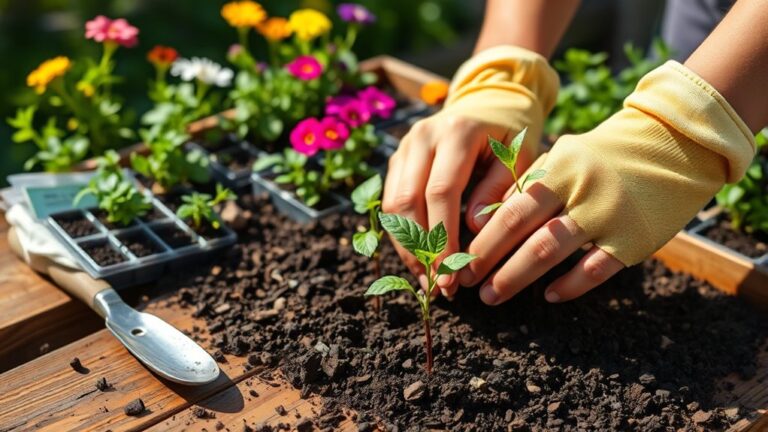
How Do Vegetables Grow Step by Step
Wondering how vegetables grow step by step can feel confusing when you’re eager to get a healthy harvest but aren’t sure what to expect. You’re not alone—many people struggle to understand what their plants need at each stage.
Vegetables grow through a series of stages, starting when a seed absorbs moisture and germinates in warm, airy soil. Roots develop first, reaching for water and nutrients, while stems rise and unfold leaves. With enough sunlight, leaves make food through photosynthesis, helping the plant grow stronger. Many vegetables then flower, and pollination can lead to fruit or seeds. You’ll encourage healthy growth with steady watering, space, and care. Keep going to discover how each stage shapes your harvest.
Key Takeaways
- Seeds absorb water, soften, and begin germinating when soil has suitable warmth, air, and moisture.
- Roots grow downward, absorbing water and nutrients, while shoots emerge and develop stems and leaves.
- Leaves capture sunlight and use water and carbon dioxide to make food for continued growth.
- Mature plants may flower; pollination and fertilization can then produce vegetables such as fruits, pods, or roots.
- Harvest vegetables when they reach the right size and maturity, using crop guidance and taste to judge readiness.
From Seed to Harvest: The Vegetable Growth Cycle
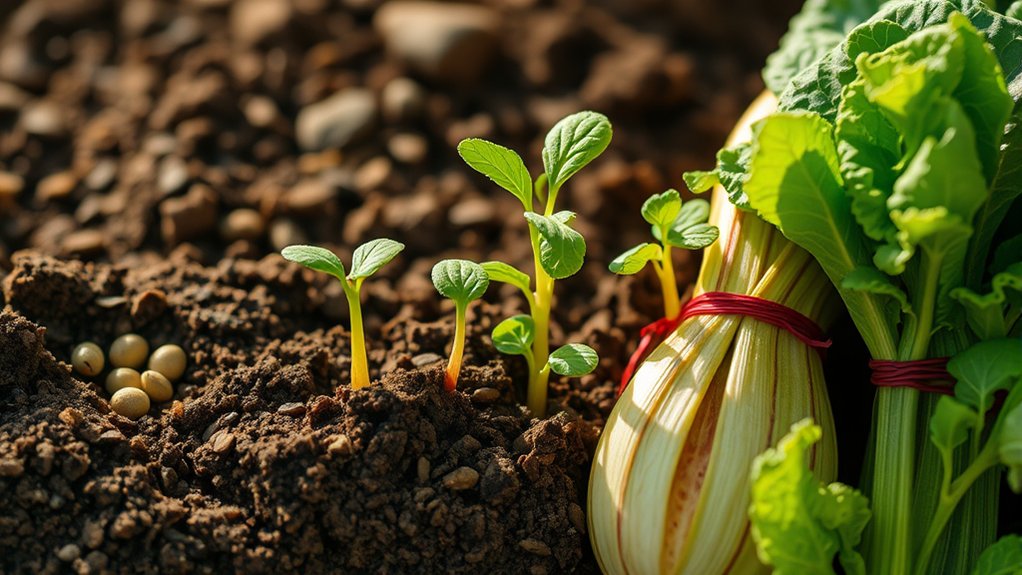
A vegetable’s journey from seed to harvest begins when the seed gets enough water, warmth, and air to sprout. After emergence, you’ll see the seedling develop its first leaves, then grow a stronger stem and a wider root system. As true leaves appear, the plant starts making more of its own food and can handle outdoor conditions.
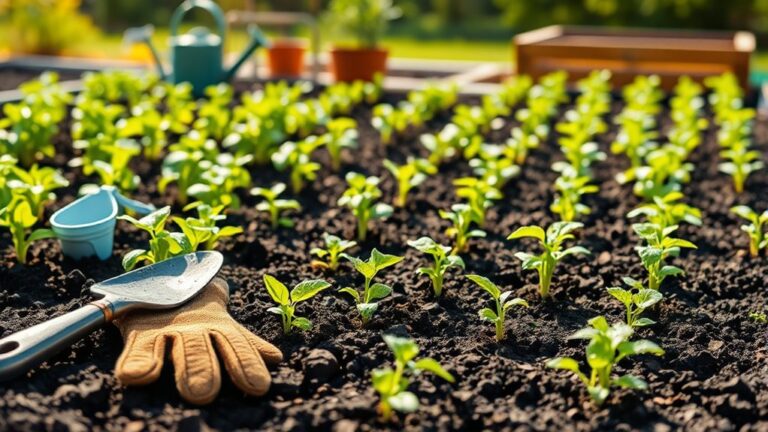
Give each plant room to grow by following the packet’s seed spacing or thinning crowded seedlings. This helps leaves reach sunlight and roots access water and nutrients. Keep the soil consistently moist, remove weeds, and check plants often for signs of pests or disease. Simple pest prevention, such as covering young crops or removing damaged leaves, can protect growth.
As the plant matures, it may flower and form fruits, pods, or edible roots, depending on the vegetable. Harvest when the crop reaches its recommended size and color. Picking at the right time encourages quality and may support continued production. You’ll learn each crop’s timing through observation.
What Do Vegetable Seeds Need to Germinate?
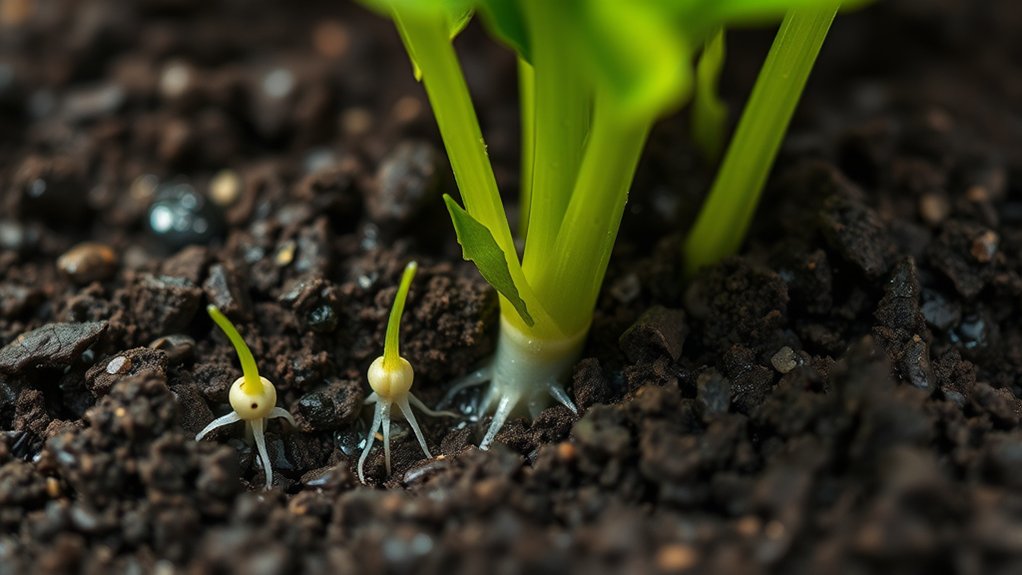
Vegetable seeds need moisture to soften their outer coats, along with warmth in a suitable temperature range. They also need air and oxygen to germinate.
Water And Moisture
Seeds need steady moisture to begin germinating. When you water a seed, it absorbs moisture through its outer coat. This softens the coat and activates the processes that help the embryo grow. Without enough water, germination may stall; too much can deprive the seed of oxygen or encourage rot.
Aim for an even moisture balance. Keep the soil damp, not soaked, and check it regularly because small containers can dry quickly. A gentle spray or careful watering helps you avoid washing seeds away. Covering the soil lightly can slow evaporation, but don’t let it become waterlogged.
As roots and shoots develop, your watering needs may change. Follow the water cycle in your growing space: water evaporates, then leaves or surfaces may release it back into the air. Adjust your routine when the soil feels dry.
Warmth And Temperature
Along with moisture, vegetable seeds need the right temperature. Each vegetable has a preferred range, so check your seed packet before planting. Cool-season crops, such as lettuce and peas, can sprout in cooler soil, while tomatoes and peppers need warmer conditions.
When soil stays too cold, seed germination slows, and seeds may take longer to emerge. Excessive heat can also damage seeds or dry the soil quickly. You can use a soil thermometer to check conditions at planting depth.
If the ground feels too cool, wait a few days or start seeds indoors where you can control warmth. Once seedlings emerge, steady temperatures support healthy root growth and nutrient uptake. Protect young plants from sudden cold snaps, and avoid placing heat-loving crops outside before the soil warms.
Air And Oxygen
Air reaches vegetable seeds through tiny spaces in loose, well-drained soil. As you water your garden, soil pores hold both moisture and air.
Seeds need oxygen to turn stored food into energy, which powers root growth and the first shoot. Without enough oxygen, germination slows or stops, even when warmth and water are right.
You can support air circulation by loosening compacted soil and choosing a mix that drains well. Avoid soaking seedbeds or letting water pool, because saturated soil fills air spaces and can suffocate seeds.
Don’t confuse oxygen storage with a seed’s own food reserves: seeds store nutrients, while the surrounding soil supplies oxygen. Plant at the recommended depth, too; overly deep seeds may struggle to reach the surface after they sprout.
How Do Roots Find Water and Nutrients?
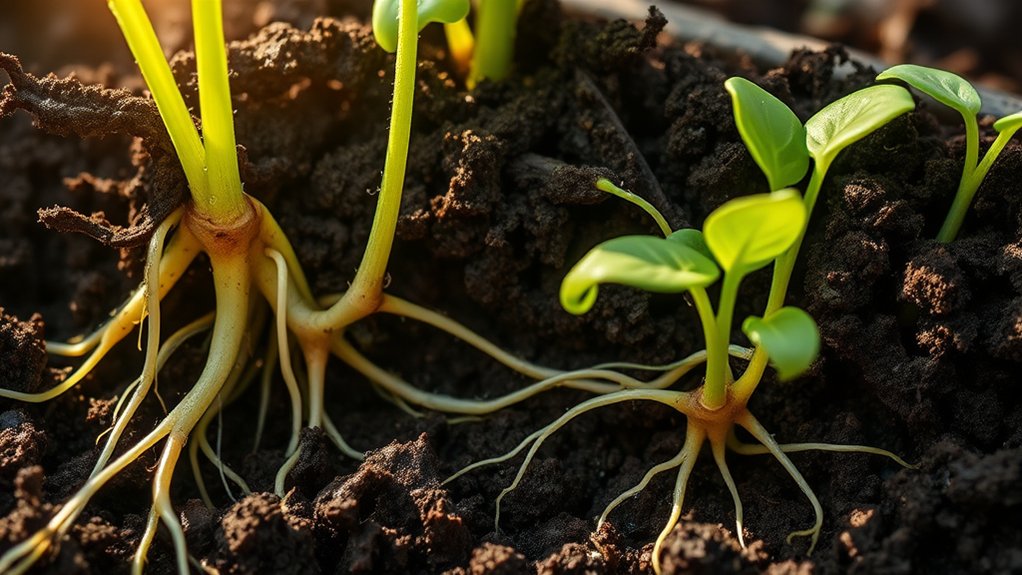
How Do Roots Find Water and Nutrients?
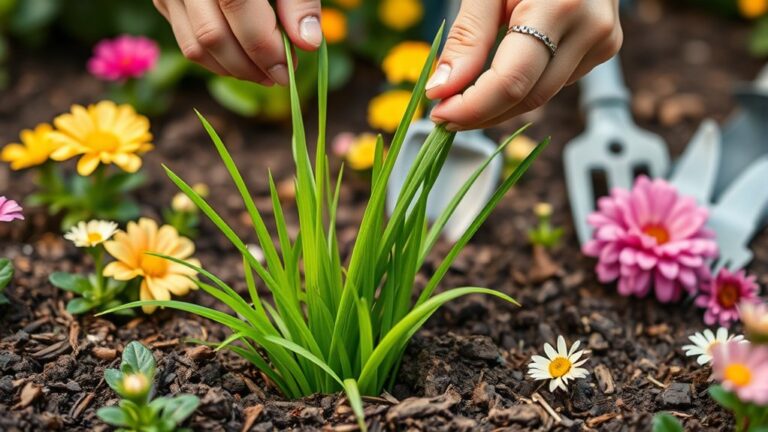
Beneath the soil, young roots grow toward water and nutrients. You can picture each root tip as a tiny explorer, sensing differences in moisture and dissolved minerals.
When soil dries near the surface, roots often extend deeper, where water may remain available. This root depth depends on the vegetable, soil conditions, and how often you water.
Roots also branch into fine hairs that touch soil particles and absorb water along with nutrients such as nitrogen, phosphorus, and potassium. You’ll help them search effectively by keeping soil loose, moist, and rich in organic matter.
Avoid waterlogged ground, because roots need oxygen as well as moisture.
As roots and soil organisms break down organic material, nutrient cycling returns useful elements to the soil. Your compost can support this process, while balanced watering helps nutrients move toward roots.
You don’t need to feed plants constantly; healthy soil supplies much of what they need. Check moisture below the surface before watering, so roots keep exploring rather than staying shallow.
How Do Stems and Leaves Develop?
Once roots supply water and nutrients, the stem grows upward and carries them to the leaves. You can see stem formation begin as the seedling’s growing tip produces new cells. These cells lengthen and strengthen the stem, helping it support the plant and hold its leaves above the soil.
As the stem develops, tiny buds may appear at its joints. Some buds grow into branches, while others form flowers or additional leaves, depending on the vegetable.
You’ll notice leaf expansion as small, folded leaves emerge from buds and unfold. Each new leaf grows larger as its cells develop, creating a broader surface. The stem’s growing tip continues to produce fresh growth, while older leaves remain attached below.
Together, stems and leaves build the plant’s structure and create space for further development. You can support healthy growth by giving your vegetable enough room and avoiding damage to its tender stem and young leaves.
How Does Sunlight Feed Growing Vegetables?
Your vegetables’ leaves capture sunlight and use it to make food from water and carbon dioxide. This process gives plants the energy they need to grow. With enough sunlight, your vegetables can develop strong stems, healthy leaves, and produce.
Capturing Sunlight
How does sunlight feed growing vegetables? You can see its role in the leaves, where plants capture light to support healthy growth. Leaf surfaces and their green pigment, chlorophyll, help with sunlight absorption.
When you give vegetables enough light, they can gather the energy they need to grow steadily. The amount and quality of light also affect photosynthesis efficiency, so a sunny spot often helps plants thrive.
However, each vegetable has its own needs: leafy greens may tolerate some shade, while tomatoes and peppers usually prefer more direct sun. Watch your plants for signs of too little light, such as pale leaves or stretched stems.
If needed, move containers to a brighter location or space plants so leaves don’t block one another. Good light exposure helps vegetables grow strong.
Making Plant Food
With enough sunlight, vegetable leaves make food through photosynthesis. You can think of this process as a simple recipe: leaves take in carbon dioxide from the air, while roots absorb water from the soil. Sunlight powers the leaves as they combine these ingredients into sugar, which fuels growth.
| Ingredient | Source | Role |
|---|---|---|
| Sunlight | Sun | Powers photosynthesis |
| Carbon dioxide | Air | Supplies carbon |
| Water | Soil | Helps form sugar |
Your plant’s early needs differ: seed germination uses stored energy before leaves can make much food. Later, root water uptake supplies water for photosynthesis.
The sugar made in leaves moves through the plant and provides energy for new growth. When you understand this process, you can see why sunlight, air, and water all matter as your vegetable grows.
Supporting Healthy Growth
As sunlight reaches the leaves, they use its energy to make sugars that fuel new growth. You can help your vegetables capture enough light by choosing a sunny planting spot and spacing plants so their leaves don’t crowd one another. Most vegetables need six to eight hours of direct sunlight each day, though some leafy crops tolerate partial shade.
Watch how your plants respond. Pale leaves, weak stems, or slow growth may signal too little light; scorched leaves can mean intense sun or dry soil. Water consistently, and mulch to keep roots cool during hot spells.
Check leaves regularly for damage, since healthy, well-lit plants still need pest prevention. Don’t confuse natural leaf changes with problems: seed color can vary by variety and doesn’t show how much sunlight a growing plant receives. Adjust care as conditions change.
How Do Soil Nutrients Help Vegetables Grow?
Soil nutrients give vegetables the materials they need to build roots, stems, leaves, flowers, and fruit. As you grow vegetables, think of nutrients as essential building blocks.
Nitrogen supports leafy growth, phosphorus helps roots develop, and potassium helps plants manage water and stay sturdy. Vegetables also need smaller amounts of nutrients such as calcium, magnesium, and iron.
Roots absorb dissolved nutrients from the soil through nutrient uptake. You can support this process by keeping soil moist but not waterlogged, since roots need both water and air.
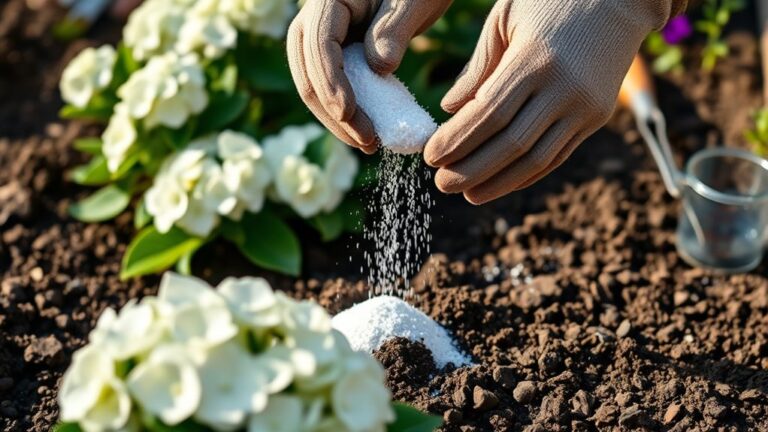
Healthy soil contains organic matter that improves its structure and helps hold nutrients where roots can reach them. Compost can add organic matter and a range of nutrients, while a soil test can show whether your garden needs specific amendments.
Too little of a nutrient may slow growth or cause yellowing leaves, but adding more isn’t always better. Follow test results and product directions, and avoid overfertilizing.
Balanced soil helps your vegetables grow steadily.
When Do Vegetables Flower and Form Fruit?
Vegetables usually flower once they’re mature and growing in suitable conditions. Pollinators or wind carry pollen between flowers, allowing fertilization to happen. After that, the flowers develop into fruit as the seeds begin to form.
Flowering Time
When do vegetables flower and begin forming fruit? You’ll see this stage after plants have grown enough leaves and stems to support reproduction. The timing varies by crop: tomatoes and peppers often flower in warm weather, while some cool-season vegetables bloom as temperatures rise.
Your planting date, local climate, daylight, and variety all affect seasonal timing. Check seed packets for expected days to maturity, but treat them as estimates; heat, cold, or drought can shift the schedule.
Flowers signal that fruit may follow, though not every vegetable produces an edible fruit. Tomatoes, squash, and beans form fruits around their seeds; leafy crops such as lettuce may instead send up flowers as they mature.
You can recognize this transition by watching for buds and open blooms. Pollinator roles matter for some crops, while others can set fruit without insect visits.
Pollination Process
After flowers open, pollination moves pollen to a flower’s stigma, allowing fertilization and seed development. You’ll see this process when blooms are receptive, often during warm, bright parts of the day.
Some vegetables, such as tomatoes and peppers, have flowers with both pollen-producing and pollen-receiving parts. Others, including squash, grow separate male and female flowers, so pollen must travel between them.
| Pollination roles | What happens |
|---|---|
| Pollen source | Anthers release pollen |
| Pollen receiver | Stigma catches pollen |
| Bee | Carries pollen between blooms |
| Wind | Moves pollen through the air |
You can encourage pollinators like bees by planting diverse flowers nearby. Wind also pollinates crops such as corn.
Once pollen reaches a compatible stigma, fertilization can begin. Timing and successful transfer vary by vegetable and growing conditions.
Fruit Development
Once fertilization succeeds, a flower’s ovary begins to swell and develop into fruit, while its fertilized ovules become seeds. You’ll usually see this change after flowering, though timing varies by vegetable and growing conditions. Tomatoes, peppers, cucumbers, and squash form fruits that protect their seeds; leafy vegetables, such as lettuce, generally don’t produce edible fruits.
As fruit develops, your plant needs steady water, sunlight, and nutrients. Keep the soil evenly moist, but avoid waterlogging, which can damage roots and reduce growth. Harvest fruits when they reach the size and color typical for their variety.
If you leave some to mature fully, their seeds can support future planting and seed dispersal. After harvest, practice crop rotation to help maintain healthy soil and reduce recurring pests and diseases.
Which Vegetable Parts Do We Eat?
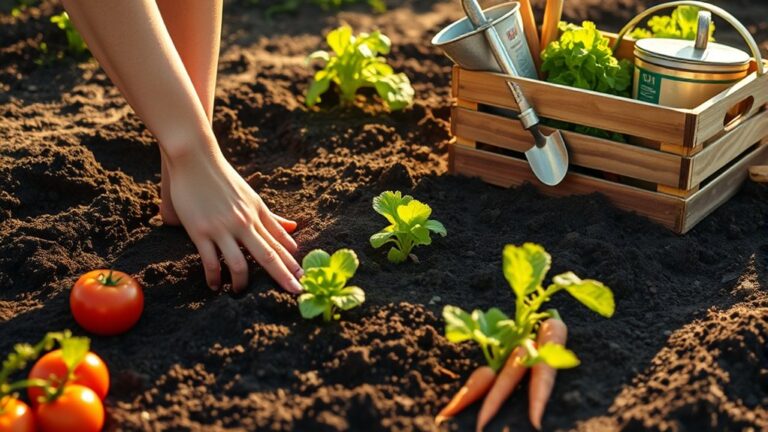
Vegetables come from different parts of plants, and the part we eat depends on the kind. When you eat carrots, beets, or radishes, you’re eating roots. Their root function includes absorbing water and nutrients and storing energy. You can also eat stems, such as celery stalks and asparagus shoots, which support the plant and carry water.
Leaves make up another familiar group. Lettuce, spinach, and cabbage give you leafy parts that capture sunlight for the plant. Broccoli and cauliflower are flower buds; if left to grow, they can open into flowers. Tomatoes, peppers, and cucumbers are fruits because they develop from flowers and hold seeds.
Some vegetables are seeds themselves. Peas, beans, and corn provide seeds that can grow into new plants. Learning a little seed anatomy helps you see how a seed’s parts protect and nourish a developing plant. When you identify which plant part you’re eating, you can better understand how each vegetable grows.
How Should You Water and Care for Vegetables?
Give your vegetables steady care by watering them deeply when the soil begins to dry. Check the soil with your finger; if the top inch feels dry, water slowly at the base until moisture reaches the roots. Water in the morning so leaves can dry during the day, reducing the risk of fungal disease. Keep the soil evenly moist, not soggy, since excess water can deprive roots of oxygen and hinder plant respiration.
During seed germination, keep the seedbed consistently damp, following the needs of each crop. Add mulch around established plants to slow evaporation and suppress weeds, but leave space around stems. Remove weeds regularly so they don’t compete for water and nutrients.
Inspect leaves and stems for pests, discoloration, or damage, and respond promptly with suitable controls. Support tall plants, and loosen compacted soil gently without disturbing roots. Feed your vegetables with compost or a balanced fertilizer as needed, following label directions. Adjust care for rainfall, heat, soil type, and each plant’s growth stage.
When Should You Harvest Vegetables?
When should you harvest vegetables? Check each plant’s expected maturity date, but let its appearance guide your final decision. Seed packets and plant labels offer a useful estimate; weather, watering, and seedling care can shift harvest timing.
Look for signs of readiness. Pick leafy greens when their leaves reach a useful size, before they turn tough or bitter. Harvest zucchini and cucumbers while they’re firm and young; oversized fruit can taste bland and slow further production.
Tomatoes are ready when they’ve developed full color and yield slightly to gentle pressure. Root crops need a closer look: loosen soil around one carefully to check its size before pulling the rest.
Use clean scissors or a sharp knife to avoid damaging stems and nearby plants. Harvest in the cool morning for crisp, fresh produce, and pick regularly to encourage continued growth.
If frost threatens, gather tender vegetables beforehand. When you’re unsure, harvest a sample and taste it; your garden will show you what works best.
Frequently Asked Questions
Can Vegetables Grow Indoors Without a Garden?
Yes, you can grow vegetables indoors without a garden. Choose a sunny windowsill or use grow lights, and select compact varieties that suit pots.
For vegetables indoors, provide containers with drainage, quality potting mix, and regular watering. Try lettuce, tomatoes, or peppers. You can also grow herbs indoors, such as basil and parsley.
If you have outdoor space, balcony container gardening expands your options. Broccoli indoors is possible, though it needs bright light and room.
Which Vegetables Are Easiest for Beginners to Grow?
Your easiest vegetables are the friendly first steps on a rewarding growing journey: start with radishes, lettuce, spinach, green beans, or cherry tomatoes. These beginner friendly crops grow reliably and don’t demand expert care.
Choose radishes for a quick harvest, leafy greens for repeated picking, or beans for sturdy, productive vines. Give them sunlight, suitable soil, and regular water, and you’ll soon enjoy fresh produce you’ve grown yourself, even in containers.
Can Vegetables Grow in Containers on a Balcony?
Yes, you can grow vegetables in containers on a balcony. Choose a sunny spot that gets at least six hours of light, and use a vegetable container with drainage holes. Grow compact varieties of tomatoes, lettuce, peppers, or herbs, and water them regularly because pots dry quickly. Add fresh potting mix and feed plants as needed. If your balcony gets little sunlight, try balcony gardening indoors near a bright window or with a grow light.
How Can You Protect Vegetables From Common Pests?
Protecting crops from common pests starts with regular checks: inspect leaves, stems, and soil so you can spot trouble early. Handpick larger insects, remove damaged leaves, and spray pests off with water.
Cover young plants with lightweight row covers, and use netting to block birds and moths. Encourage helpful insects by planting flowers nearby.
Keep beds tidy, rotate crops, and water at the base. If needed, choose a suitable organic treatment and follow its label carefully.
Do Vegetables Grow Differently in Raised Beds?
Yes, vegetables can grow differently in raised beds, where warmer, looser soil may speed growth like a rocket. You control drainage and soil quality more easily, but beds can dry out faster, so check moisture often.
For raised beds differences, consider how height, width, and location affect sunlight and watering. Use soil depth strategies that match each crop: give deep-rooted vegetables plenty of soil, while shallow-rooted greens need less. You’ll also avoid compacting soil by walking around beds.
Conclusion
Growing vegetables is a step-by-step journey, from a tiny seed to a harvest you can enjoy. Give your plants the right mix of water, sunlight, nutrients, and care, and watch each stage unfold.
Check them often, since their needs change as they grow. When the vegetables look ready, pick them at the right time for the best flavor.
Think of your garden as a living classroom: every season teaches you something new, and each harvest rewards your patience. That’s how vegetables grow step by step.