How Can You Grow More Vegetables With 3 Essential Tips?
Want to grow more vegetables but feel like your garden never has enough space or time? You’re not alone—many gardeners face the same challenge. The right products and a few smart strategies can help you make better use of your space and keep your garden productive.
You can grow more vegetables by choosing productive crops, using space efficiently, and caring for plants consistently. Pick repeat-harvest favorites like leaf lettuce, chard, cherry tomatoes, or pole beans, checking their size and growing season first. Then use compact beds, containers, and sturdy trellises, placing taller plants where they won’t shade shorter ones. Water deeply when the soil’s top inch feels dry, add mulch, and feed as needed. These simple strategies can keep your garden producing, and there’s more to explore.
Key Takeaways
- Choose productive, repeat-harvest crops suited to your climate, sunlight, and available space.
- Plan compact beds, grouping crops by size and placing tall plants where they won’t shade shorter ones.
- Grow climbing vegetables on sturdy supports and use containers for compact varieties in sunny spots.
- Pair quick-growing crops with slower ones, then replant harvested spaces with seasonally suitable vegetables.
- Water deeply, mulch to conserve moisture, and maintain healthy soil with compost and crop rotation.
Choose High-Yield Vegetables for Your Space
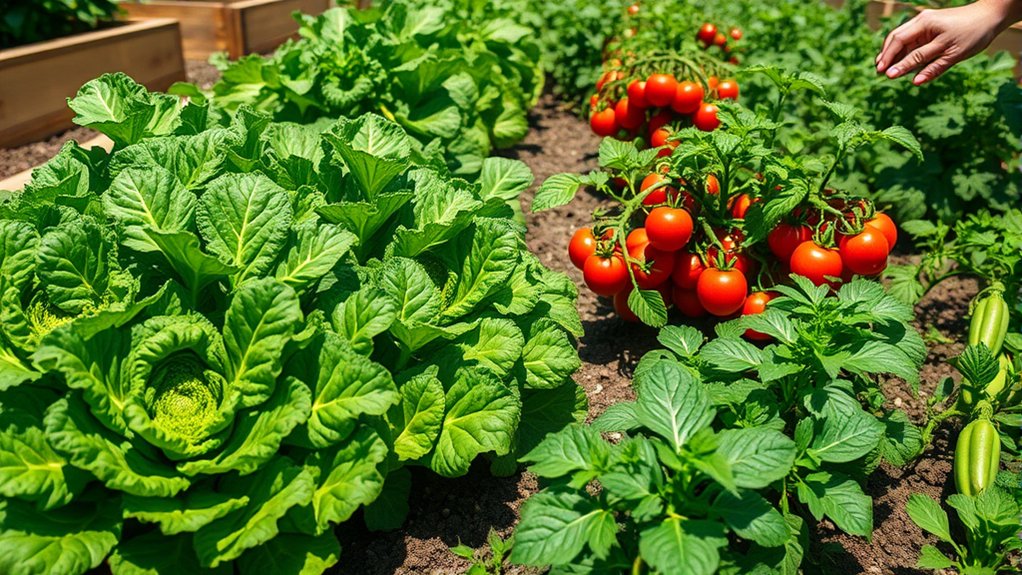
To grow more food in limited space, choose vegetables that produce abundantly and keep harvesting. Start with crops that give you repeated harvests, such as leaf lettuce, chard, cherry tomatoes, and pole beans. A few plants can supply fresh produce for weeks when you pick leaves, pods, or fruits regularly.
When you choose varieties, check each plant’s mature size, yield, and harvest period. Compact tomatoes and bush cucumbers suit small beds, while climbing beans can produce generously if you have a sturdy support. Match your choices to your climate, sunlight, and the time you can spend tending them.
Let bed design guide your selections, too. If you prefer space saving, prioritize crops that offer high yields without sprawling across the ground. Read seed labels and compare days to maturity so you can plan a steady succession of harvests. Planning ahead helps you avoid filling your garden with plants that take up room but produce little.
Grow More Vegetables in Less Space
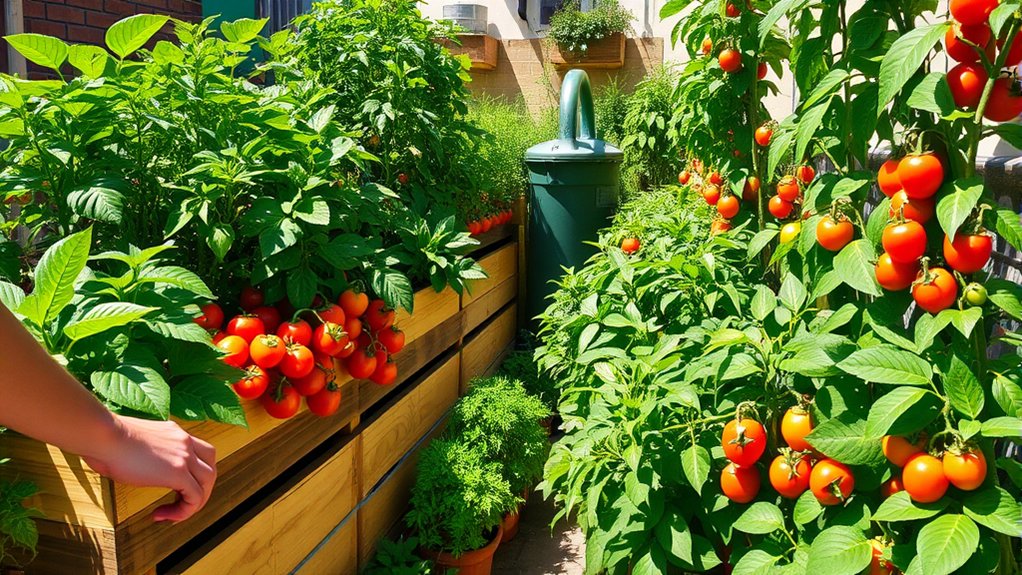
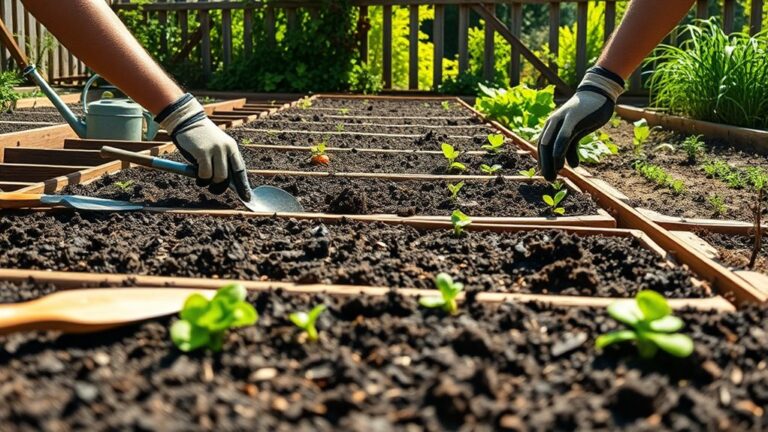
How can you make every inch of your garden work harder? Start by planning your layout before you plant. Arrange crops in narrow beds or compact blocks instead of long, widely spaced rows. You’ll reach plants easily while using less ground for paths. Place taller crops where they won’t shade shorter neighbors, and group vegetables with similar space needs.
Try vertical gardening to grow climbing beans, peas, cucumbers, or small squash upward on sturdy supports. This frees valuable ground for quick-growing greens or radishes. You can also use containers on patios, balconies, and sunny steps, choosing compact varieties that fit their dimensions.
Make companion planting work for you by pairing compatible crops in the same bed. For example, plant quick-maturing lettuce between slower-growing tomatoes, then harvest the lettuce before the tomatoes need more room. Succession planting also keeps beds productive: once you pick one crop, replace it with another suited to the season. With thoughtful spacing, you’ll harvest more from a smaller garden.
Water, Feed, and Protect Your Vegetables
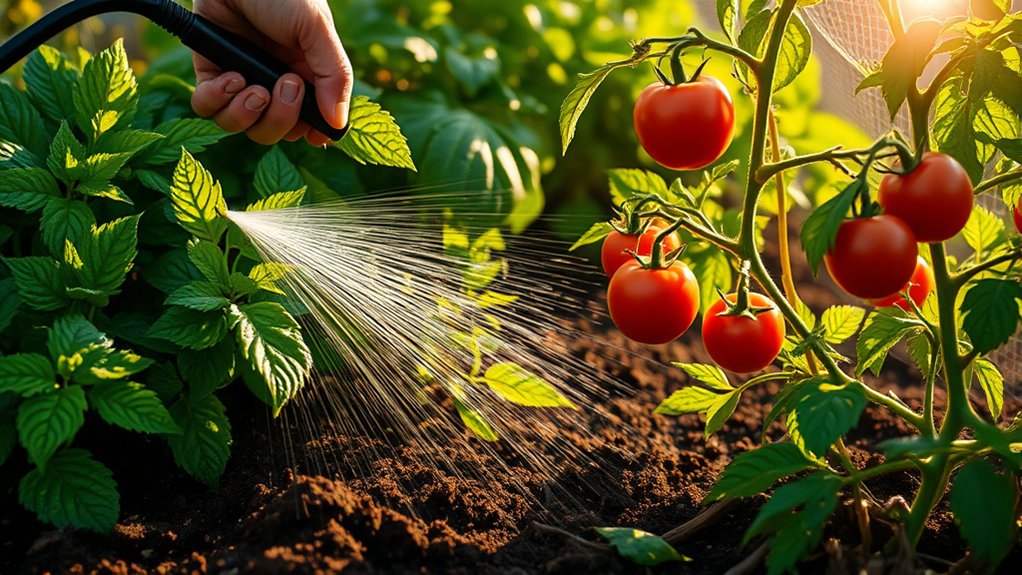
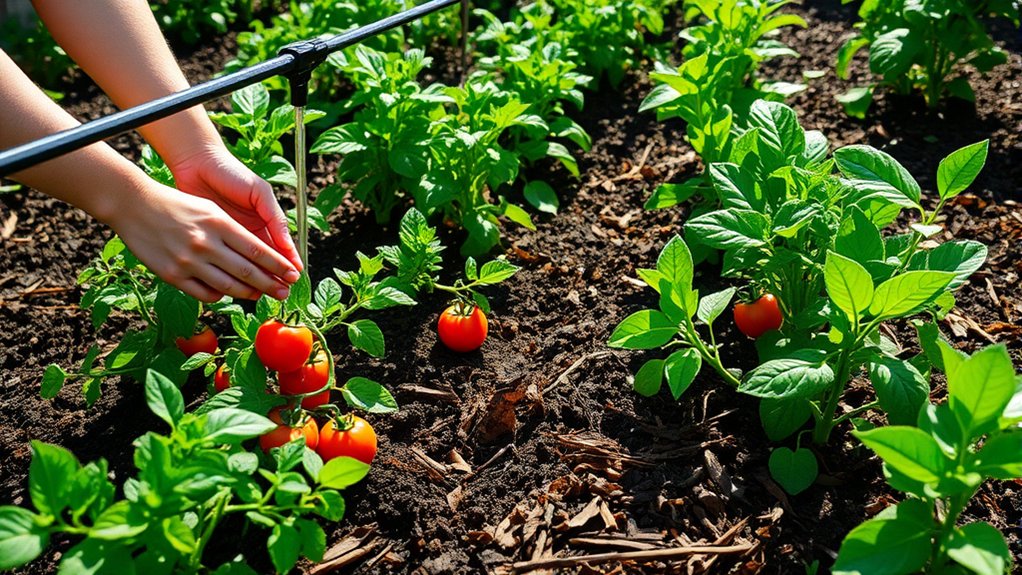
Consistent care helps your vegetables turn steady growth into a generous harvest. Water deeply at the soil line, rather than sprinkling leaves, so roots grow strong and foliage stays drier. Check moisture before watering; if the top inch feels dry, give plants a thorough drink. Mulch with straw or shredded leaves to slow evaporation, suppress weeds, and support water conservation.
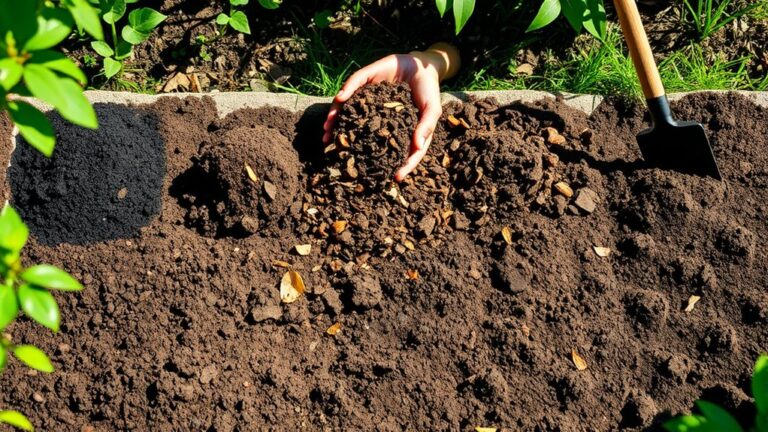
Feed your crops according to their needs. Mix finished compost into beds before planting, then use a balanced fertilizer only when plants need extra nutrients. Too much nitrogen can produce lush leaves but fewer fruits. Rotate crops and add organic matter to protect soil health and keep nutrients available.
Inspect plants often for pests, discoloration, or disease. Remove damaged leaves, handpick larger insects, and use row covers to shield young crops. Encourage beneficial insects with flowering herbs, and avoid broad-spectrum sprays that harm them. When you spot trouble early, you can respond quickly and protect your harvest without unnecessary chemicals.
Frequently Asked Questions
When Is the Best Time to Start a Vegetable Garden?
The best time to start a vegetable garden depends on your climate and the crops you want to grow. Begin cool-season vegetables, such as peas and lettuce, a few weeks before your area’s last expected frost.
Wait until frost danger passes to plant warm-season crops like tomatoes and peppers. Check local planting calendars for seasonal timing, and prepare your soil while planting season starts soon. You’ll get the best results by matching planting dates to local conditions.
How Do I Test My Garden Soil Before Planting?
Treat your garden soil like a traveler’s map: test it before you choose your route. Collect small samples from several spots, mix them in a clean bucket, and send the blend to a local extension service or use a reliable home kit for soil testing.
Check moisture by squeezing a handful; it should crumble, not drip. Follow the results for pH adjustments and nutrients, then plan fertilization timing before planting.
Which Vegetables Are Easiest for Beginners to Grow?
For beginner friendly choices, grow radishes, lettuce, bush beans, zucchini, and cherry tomatoes. These vegetables sprout or produce quickly, and you don’t need special skills to care for them.
Choose varieties suited to your climate, give plants enough sunlight, and water consistently. Before planting, you can do soil testing to check pH and nutrients; then amend the soil if needed.
Start with a few plants, and you’ll learn as you go.
How Can I Save Seeds From My Vegetables?
You can save vegetable seeds by letting them mature, drying them thoroughly, and storing them in labeled containers. Think of each seed as a tiny promise of next season.
For seed saving basics, choose healthy, fully ripe produce; scoop out seeds, rinse away pulp, then dry them on a screen. When selecting seed varieties, favor open-pollinated or heirloom plants, since hybrids may not grow true to type. Keep seeds cool, dark, and dry.
When Should I Harvest Homegrown Vegetables?
Harvest homegrown vegetables when each crop reaches its ideal size, color, and texture; harvest timing varies by variety. Pick tomatoes when they’re fully colored and slightly soft, cucumbers while firm and before seeds enlarge, and leafy greens when leaves are tender.
Check seed packets for maturity estimates, then inspect plants often. Harvest in the cool morning for the best flavor peak, and use clean scissors or a knife to avoid damaging plants.
Conclusion
You can grow more vegetables by choosing productive crops, using every inch wisely, and keeping plants healthy. Imagine replacing one sprawling zucchini with a trellised cucumber and a succession of leafy greens: you’ll harvest more from the same bed.
Give your vegetables steady water, nourishing soil, and protection from pests, and you’ll make each planting count. Start with one small change this season, then build on what works. Your next harvest can be bigger without needing a bigger garden, and these tips can help you grow more vegetables.