How to Plant Plants in Your Garden in 5 Easy Steps
Starting a garden can feel overwhelming when you’re unsure what to plant or how to help it thrive. You’re not alone—many people struggle to get the basics right. These simple steps for how to plant plants in your garden can help you get growing with confidence.
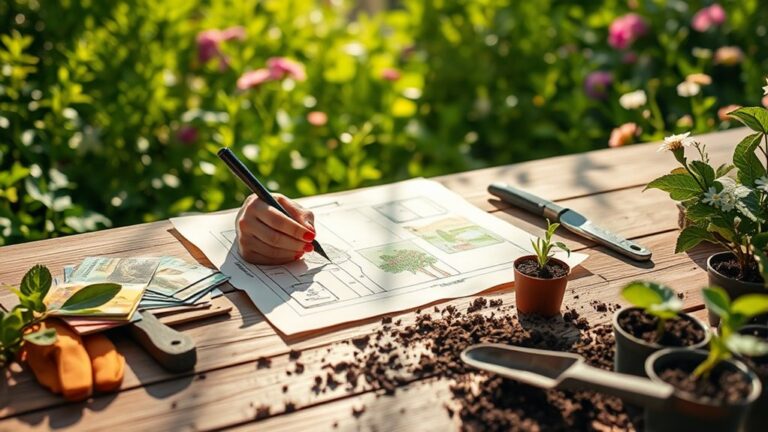
Planting a garden takes five simple steps. First, choose a spot with suitable sunlight, good drainage, workable soil, wind protection, and easy access. Next, select plants that match the light and moisture conditions, favoring native varieties and allowing room for mature growth.
Loosen slightly moist soil, remove weeds and stones, then mix compost into the top few inches. Set each seedling at its recommended depth.
Water gently and thoroughly, check soil moisture, and add mulch while keeping it clear of stems. You’ll find helpful details for each step below.
Key Takeaways
- Choose a spot with suitable sunlight, good drainage, workable soil, and easy access.
- Select plants suited to the spot’s light and moisture, allowing room for mature growth.
- Loosen the soil, remove weeds and stones, and mix compost into the top few inches.
- Dig a wide hole and plant at the recommended depth, keeping crowns above the soil.
- Water thoroughly, check soil moisture regularly, and mulch while keeping stems clear.
Choose the Right Spot for Your Garden
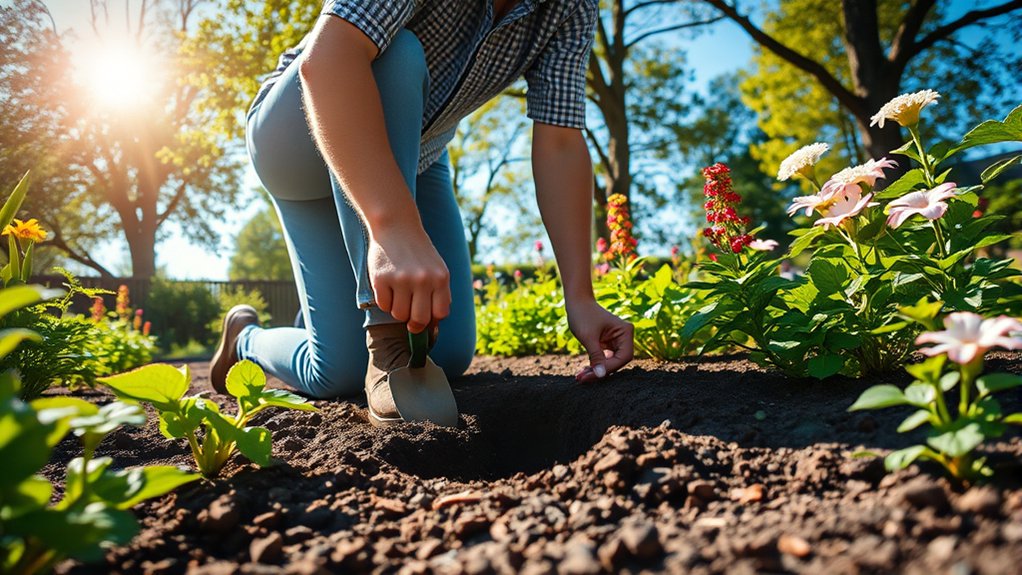
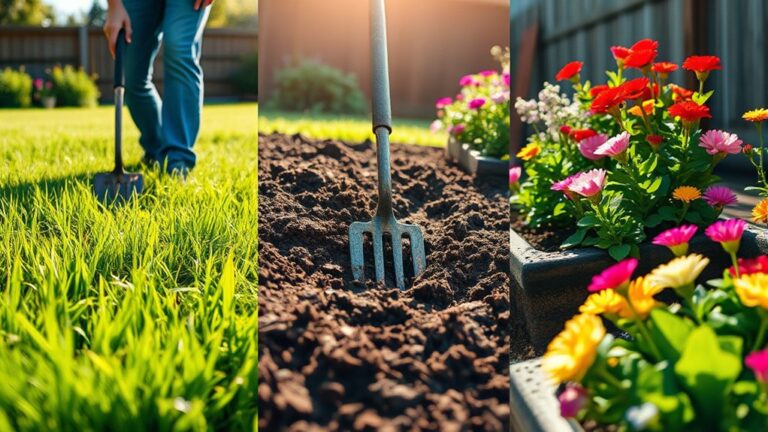
Where should you plant your garden? Start by observing your yard at different times of day. Notice which areas receive steady sunlight and which stay shaded. Check how rain moves across the ground, too; avoid spots where water collects or drains away too quickly.
Next, assess soil quality. Your soil should support healthy growth, so look for a place with workable, reasonably rich earth. If you’re unsure, test a small sample before preparing the bed. Also consider soil moisture: some areas dry out quickly, while others remain soggy. Choose a location with consistent conditions, and plan to improve the ground where needed.
Finally, look for wind protection. A fence, hedge, or wall can shelter your garden from strong gusts, but don’t place it where it blocks useful light or airflow. Keep the spot easy to reach, so you can water, weed, and maintain it without hassle. A well-chosen location gives your garden a strong start.
Choose Plants That Suit Your Garden
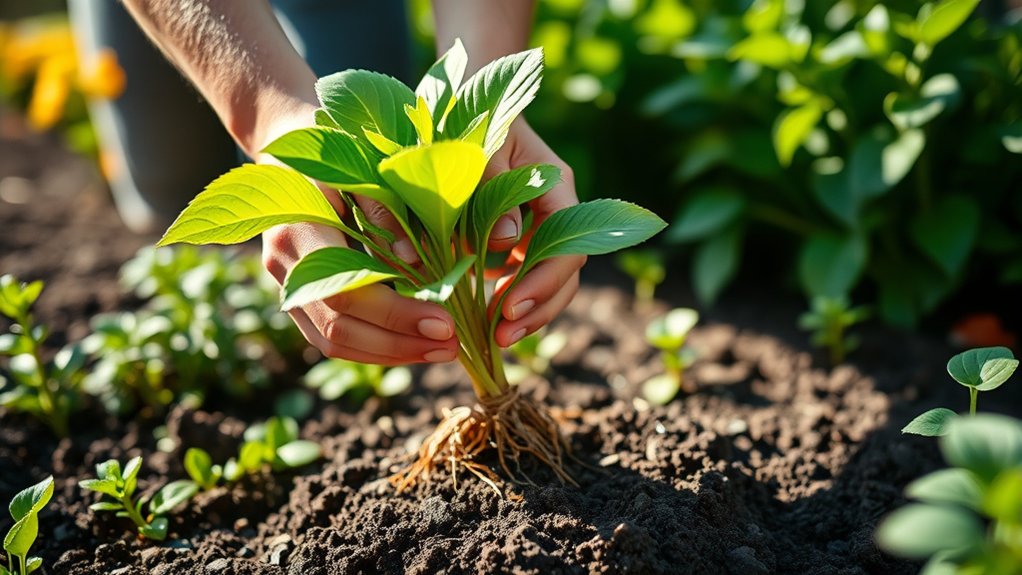
Once you’ve chosen a garden spot, select plants that match its sunlight, soil, and moisture. To assess sunlight needs, note how many hours of direct sun your spot receives. Then compare that light with each plant’s label or catalog description.
Check your garden’s typical moisture, too: some plants thrive in damp areas, while others prefer drier conditions.
| Garden condition | Plants to consider |
|---|---|
| Full sun | Tomatoes, lavender |
| Partial shade | Lettuce, hostas |
Choose native species when possible. They’re adapted to local conditions and often support pollinators and other wildlife. Consider your region’s climate and the space each plant will need at maturity. A crowded bed can limit growth, so check expected height and spread before you buy.
You’ll also want a mix of plants that bloom or produce at different times, giving your garden lasting color and harvests. Match your choices to your goals, whether you want fresh food, flowers, or a low-maintenance display. Keep a short list of suitable options, then select varieties you’ll enjoy caring for.
Prepare the Soil for Your Plants
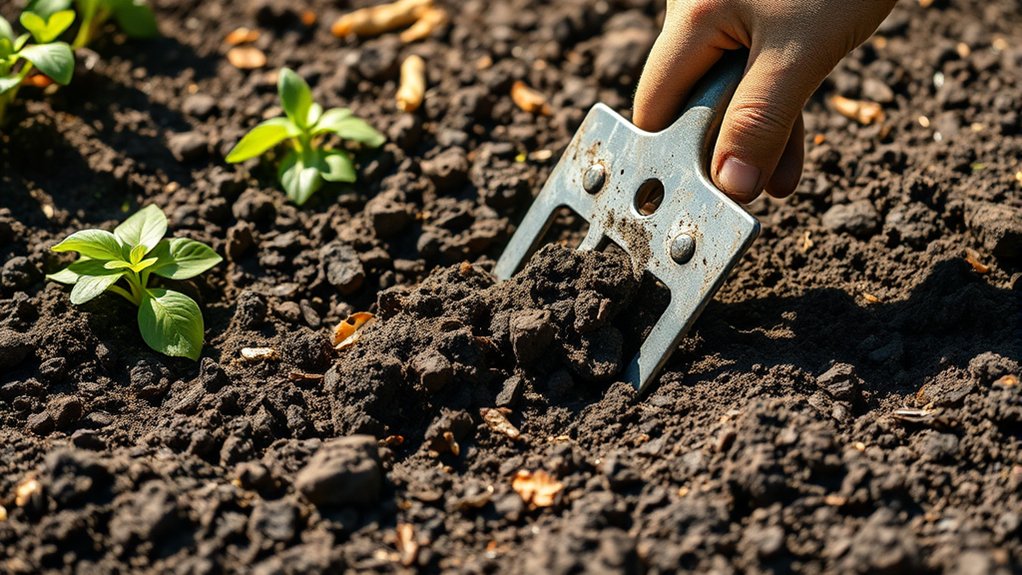
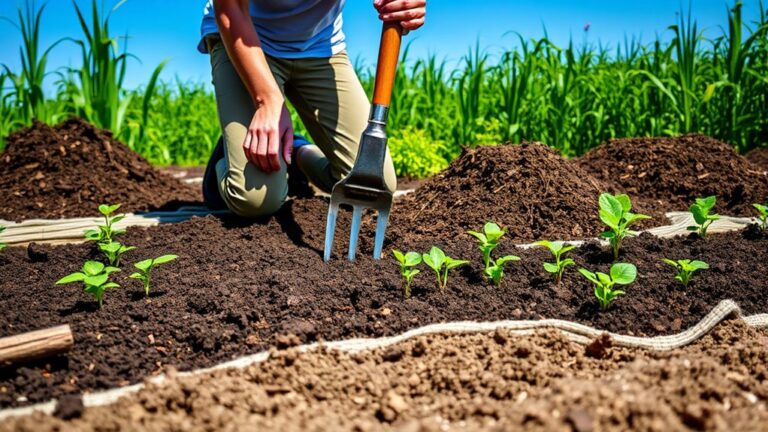
Before planting, loosen the soil with a garden fork or spade so roots can spread easily. Work across the bed when the ground feels slightly moist, not soggy; digging wet earth can damage its soil structure and leave hard clumps.
Loosen slightly moist soil with a fork or spade, avoiding soggy ground that can damage its structure.
Remove weeds, stones, and old roots as you go, then break up large lumps without pulverizing the soil.
Spread a layer of finished compost over the surface and mix it into the top few inches. Check the compost texture: it should look dark and crumbly, not slimy or woody.
Compost improves drainage in heavy soil and helps sandy soil hold moisture, while adding nutrients your plants can use. If you’re unsure about your soil’s needs, use a simple soil test before adding lime or fertilizer.
Follow the test’s recommendations rather than guessing, since too much of either can harm plants. Rake the bed level, then water lightly if the soil feels dry. Your planting area is now ready.
Plant Each Seedling at the Right Depth
When you’re ready to plant, check each seedling’s tag for its recommended depth. Different plants need different planting depths, so don’t assume every root ball belongs at the same level. Set each plant beside its hole and compare the soil line on its stem with the surrounding ground.
- For tomatoes, bury the stem up to the lowest leaves; new roots can form along the buried section.
- For most seedlings, keep the root ball’s top level with the soil surface.
- For plants with crowns, such as strawberries, leave the crown visible above the soil.
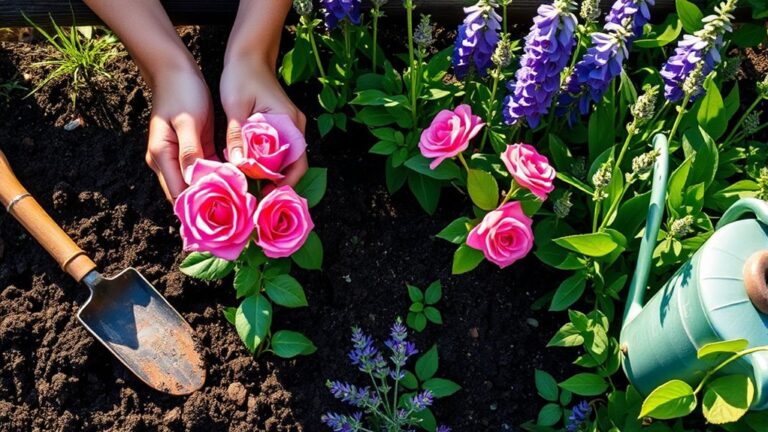
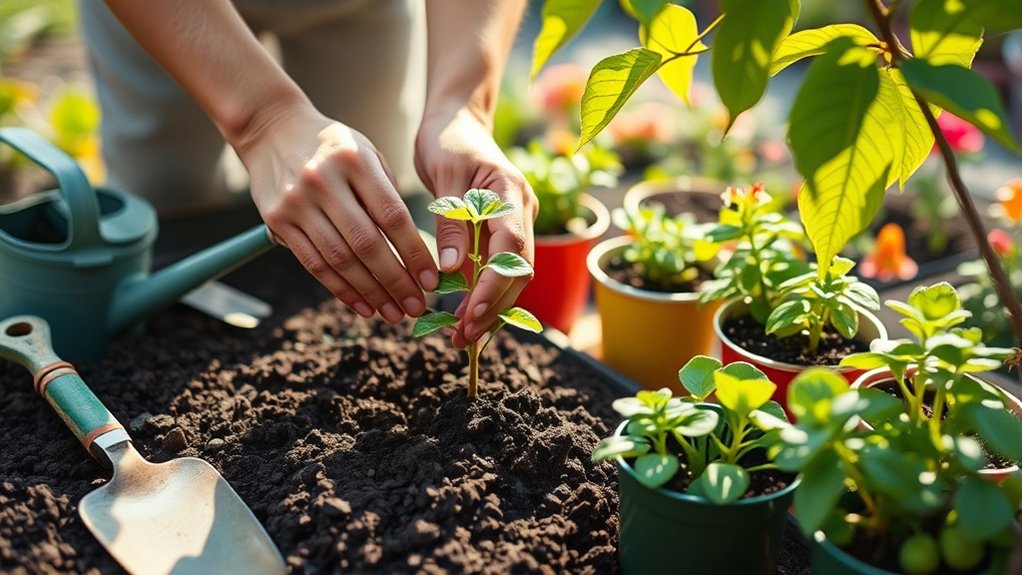
Dig a hole wide enough to spread the roots without bending or crowding them. Lower the seedling gently, then add soil around its roots.
Keep the original soil line in view as you fill the hole, and don’t cover stems or crowns that should remain exposed. Press the soil lightly to steady the plant, but avoid packing it hard.
If the tag’s guidance differs from general advice, follow its specific seedling depth recommendation. Each plant’s label helps you position it correctly.
Water and Care for Your New Plants
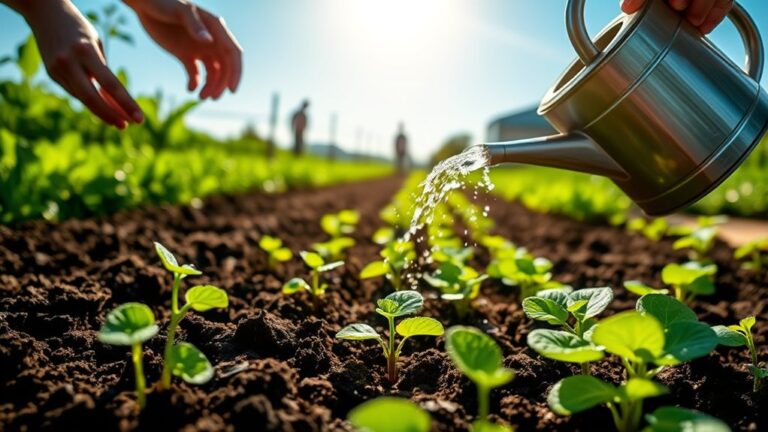
How should you water newly planted seedlings? Give each plant a gentle, thorough drink right after planting. Pour water slowly around its base so it reaches the roots without washing away soil or exposing them. Check moisture by pressing a finger about an inch into the ground; if it feels dry, water again. Keep the soil evenly moist while roots establish, but don’t let it become soggy.
> Give newly planted seedlings a gentle, thorough drink, then keep the soil evenly moist—not soggy—as their roots establish.
Water in the morning when possible, giving leaves time to dry and reducing the risk of disease. Adjust your schedule for rain, heat, and soil type: sandy soil dries faster, while clay holds moisture longer.
A layer of organic mulch supports water retention and helps keep soil temperatures steady. Leave a small gap around each stem to prevent rot. Good mulching care also limits weeds, so your seedlings face less competition for water and nutrients.
Watch for drooping, yellowing, or dry soil, and respond promptly. As plants grow, water deeply and less often to encourage strong roots.
Frequently Asked Questions
When Is the Best Time of Year to Start a Garden?
The best time to start a garden depends on your climate and the plants you want to grow. You can plant cool-season crops in early spring, as soon as the soil is workable, or in fall where winters stay mild. Wait until after your area’s last frost for warm-season crops.
Check local frost dates to guide seasonal readiness, then begin soil preparation by clearing weeds and enriching the ground before planting.
What Gardening Tools Should Beginners Buy?
What gardening tools should you buy first? Start with a hand trowel, sturdy gloves, pruning shears, a watering can or hose, and a small rake. These starter tools handle most everyday jobs without crowding your shed or straining your budget.
Add seed trays and labels for seed-starting basics, plus row covers or fine mesh for pest protection. Choose comfortable, durable tools, and buy more only when your garden’s needs grow.
How Can I Keep Pests Away From My Garden?
You can keep pests away by combining prevention with regular checks. Use pest barriers, such as row covers or mesh, to block insects before they reach your plants. Try natural repellents, including herbs or diluted neem oil, and remove affected leaves promptly.
Build soil health with compost and avoid overwatering, which can attract pests. Give plants enough plant spacing for airflow, and inspect them often so you can spot trouble early and respond before infestations spread.
Should I Grow Plants From Seeds or Buy Seedlings?
Choose seeds if you want more variety and lower costs; buy seedlings if you value convenience and a quicker start. In the seed vs seedlings decision, consider your schedule, experience, and growing season.
Seeds need time, careful watering, and suitable conditions, while seedlings let you skip early growth stages. For cost considerations, seeds usually cost less per plant, but seedlings can save effort and reduce the risk of failed germination.
Mix both to suit your garden.
How Do I Protect Garden Plants From Frost?
Frost’s icy “gift” can turn your thriving garden into a wilted display overnight, so cover plants before temperatures drop. Drape protective frost blankets over them in late afternoon, securing the edges to trap warmth, and remove covers once the morning sun warms the air.
Water soil earlier that day; moist ground holds heat better. Add late season mulching around roots, but keep mulch away from stems. Bring tender potted plants indoors or shelter them beside a wall.
Conclusion
You might think planting a garden takes too much time, but these five steps make it manageable. Choose a spot with suitable light, pick plants that fit your conditions, and prepare the soil before you begin.
Set each seedling at the right depth, then water it well and keep caring for it as it grows. You don’t need a perfect garden on day one—start with a few plants, learn as you go, and enjoy watching your garden thrive.
With these five easy steps, you’ll be ready to plant plants in your garden and help them thrive.