How Are Vegetables Grown in 3 Simple Steps?
Starting a vegetable garden can feel overwhelming when you’re unsure what to plant, when to sow seeds, or how to keep crops healthy.
You’re not alone—many new gardeners struggle to get the basics right.
This guide to how vegetables are grown in 3 simple steps will help you get started with confidence.
Key Takeaways
- Choose vegetables suited to your climate, available sunlight, space, and preferences.
- Clear weeds and rocks, loosen the soil, mix in finished compost, and adjust pH as needed.
- Sow seeds at the right time, following seed-packet instructions, soil temperatures, and local frost dates.
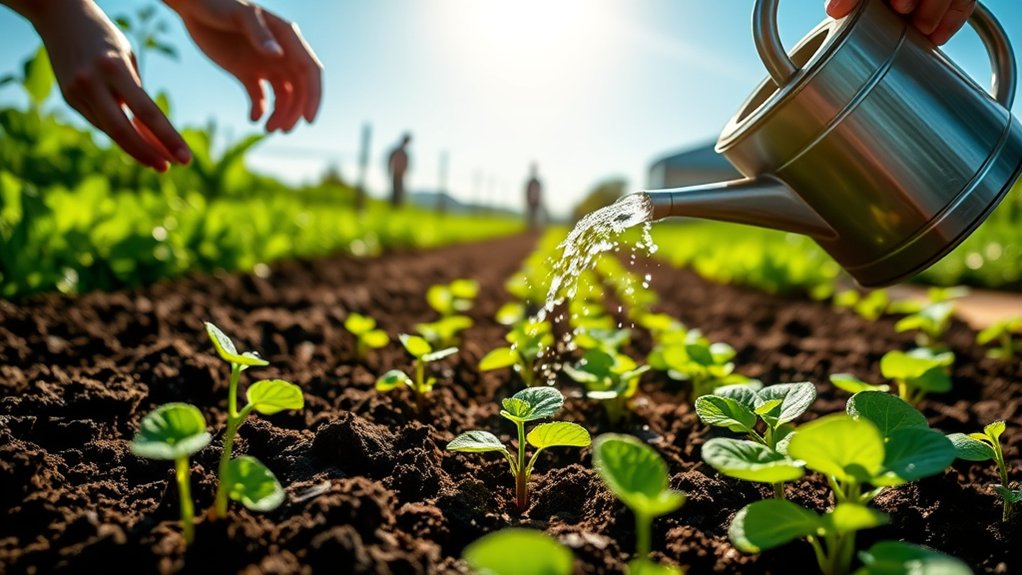
- Water consistently at soil level, and add mulch to retain moisture, suppress weeds, and protect soil.
- Harvest vegetables at their ideal size and color, using clean tools, then rinse before eating or storing.
Choose Vegetables and Prepare Your Soil
Start by choosing vegetables that suit your climate, available space, and the amount of sunlight your garden gets. Consider what you enjoy eating, then check each plant’s needs. Leafy greens can thrive in partial shade, while tomatoes and peppers need plenty of sun. If you’re short on room, grow compact varieties in containers or vertical planters.
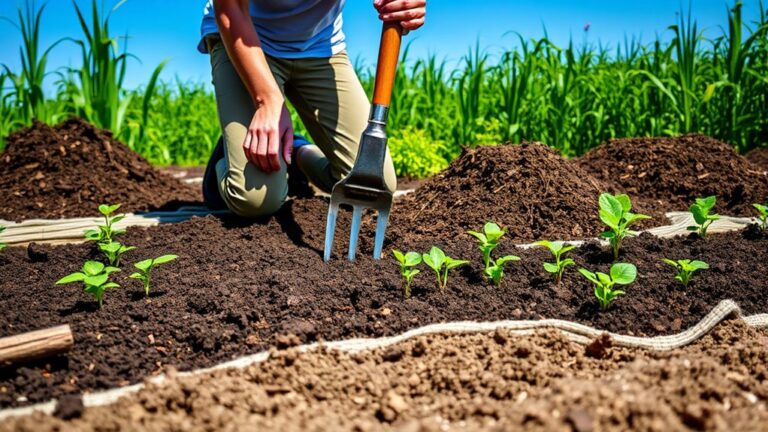
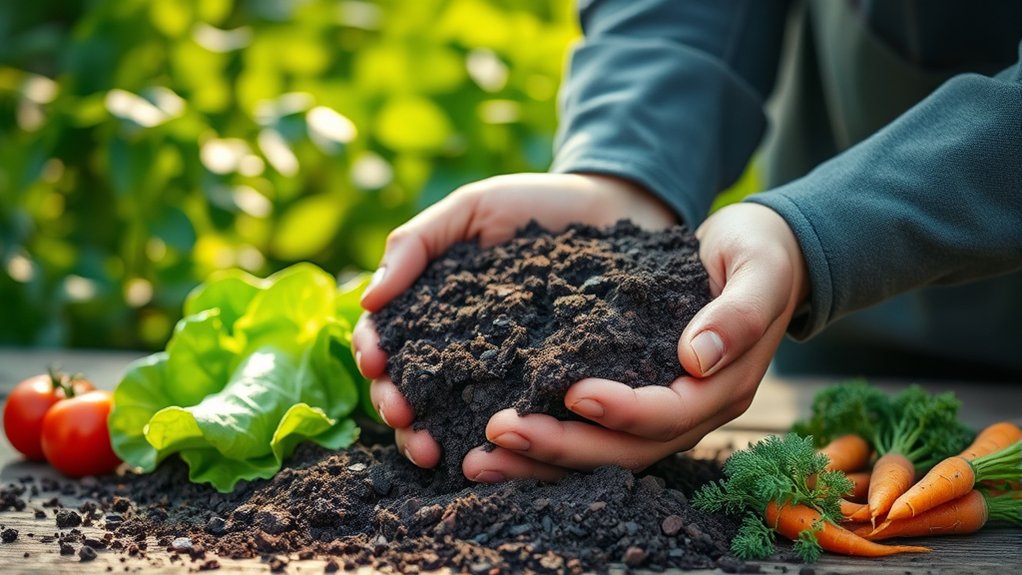
Prepare your soil before planting. Remove weeds, rocks, and old roots, then loosen the ground so roots can spread. Mix in finished compost to improve texture and add nutrients. Check the soil pH with a home test kit; adjust it if needed to match the vegetables you’ve chosen. Most vegetables grow well in slightly acidic soil.
After planting, cover the soil with one of several mulch types, such as straw, shredded leaves, or untreated grass clippings. Mulch helps hold moisture, limit weeds, and protect soil from erosion. Keep it a little away from plant stems to reduce rot and discourage pests.
Plant Vegetable Seeds at the Right Time
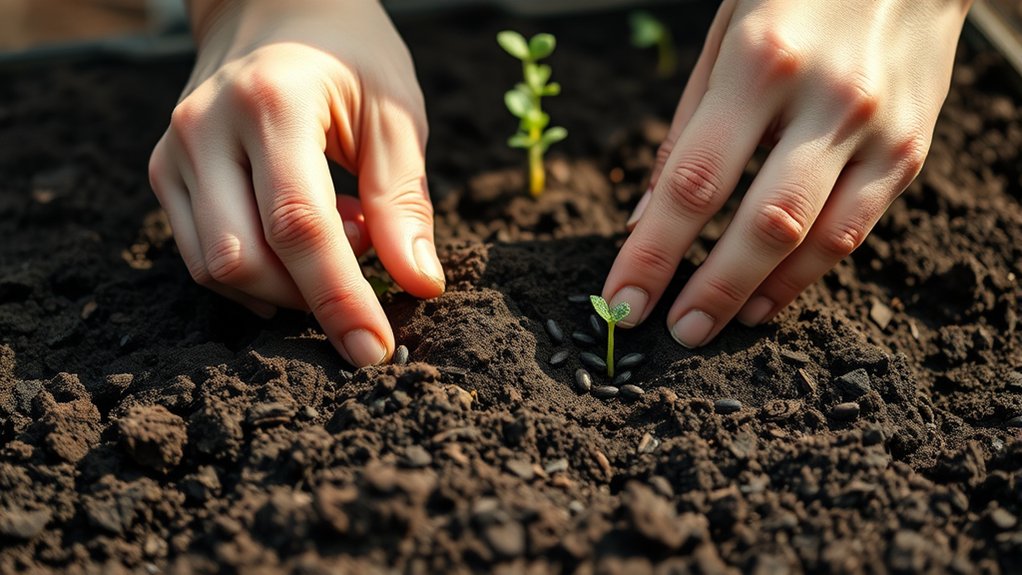
Plant seeds when conditions suit each vegetable, not just when it’s convenient. Check your seed packet for the recommended planting window, soil temperature, and days to maturity. Your local frost dates provide a useful guide: sow cool-season crops before the last spring frost, while warm-season crops need reliably warmer soil and nights. Good seed timing gives each variety a better chance to sprout and mature within your growing season.
> Time seed planting to each vegetable’s needs, using packet guidance, soil warmth, and local frost dates.
- Use frost dates: Find your area’s average last spring frost and first fall frost.
- Check soil warmth: Use a soil thermometer when a packet lists a temperature range.
- Follow spacing and depth: Read the packet so seeds have room and the right soil cover.
- Stagger sowing: Plant small batches at intervals when the variety allows.
You can start some seeds indoors if their instructions recommend it, then transplant them at the suggested stage. Make germination checks by noting sowing dates and looking for sprouts within the packet’s expected timeframe. If a crop’s window has passed, choose a suitable variety or wait for the next season.
Water, Care for, and Harvest Your Vegetables
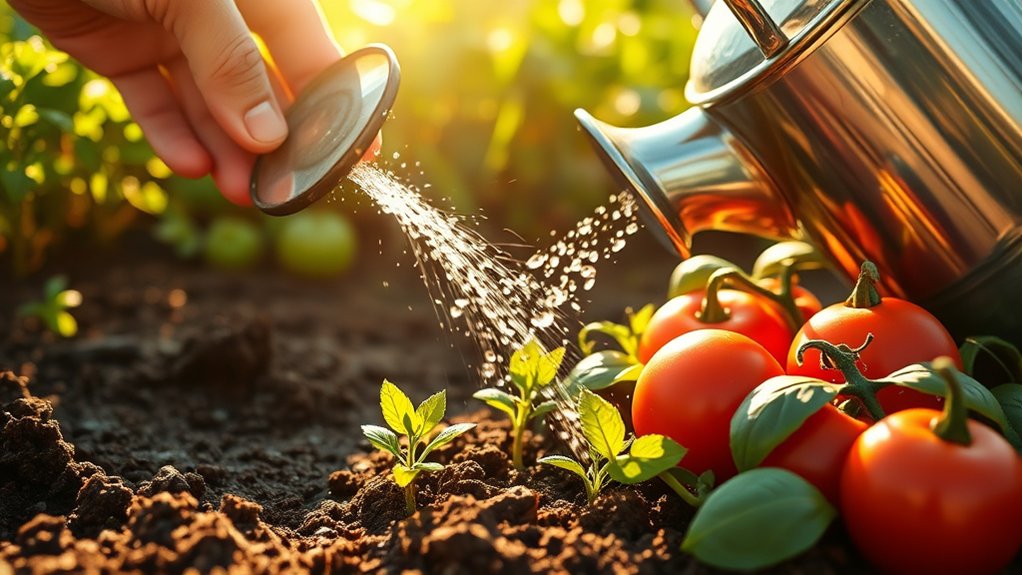
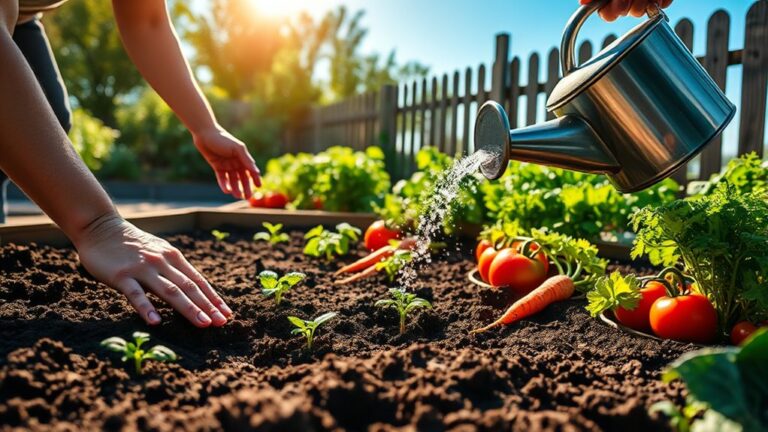
Once seedlings emerge, water them consistently and watch for signs of pests, disease, or nutrient problems. Water at the soil level in the morning so roots absorb moisture and leaves dry before evening.
Check the soil with your finger; if the top inch feels dry, water deeply. Good water quality matters, so avoid untreated sources that may contain harmful contaminants.
Keep weeds from competing with your vegetables by pulling them gently, and add mulch to conserve moisture. Inspect leaves regularly, remove damaged growth, and use simple barriers or handpicking to manage pests.
Support soil health with compost, and follow crop-specific feeding guidance rather than overfertilizing. Harvest each vegetable when it reaches its ideal size and color.
Use clean scissors or a sharp knife to avoid damaging stems, and pick ripe produce promptly to encourage continued growth. Handle your harvest gently, then rinse it under safe running water before eating or storing.
Check plants often; frequent harvesting helps you enjoy fresh vegetables at their best.
Frequently Asked Questions
How Much Sunlight Do Vegetable Plants Need Daily?
Most vegetable plants need 6–8 hours of direct sunlight daily, while fruiting crops like tomatoes, peppers, and cucumbers often thrive with 8 or more. Leafy greens can manage with 3–6 hours, especially in warmer climates.
Check each plant’s sunlight requirements, since varieties differ. Give your garden steady daily exposure by choosing a sunny spot, and watch for leggy growth or poor harvests—signs your plants may need more light.
Can Vegetables Be Grown Indoors Without a Garden?
Yes, you can grow vegetables indoors without a garden. Use container gardening to raise compact crops like lettuce, herbs, radishes, and cherry tomatoes near a bright window. If natural light is limited, Indoor lighting from full-spectrum grow lights can help plants thrive. Choose suitable Soil types: a light, well-draining potting mix works well in containers. Try Seed starting in small pots, and water consistently while ensuring each container has drainage holes.
What Containers Work Best for Growing Vegetables?
The best containers for vegetables are sturdy pots, grow bags, window boxes, and buckets with drainage holes. Choose container types based on your space and crop: leafy greens thrive in shallow boxes, while tomatoes and peppers need larger pots.
Check soil depth before planting; provide about 6–8 inches for lettuce and herbs, and 12–18 inches for tomatoes or carrots. You’ll also want enough width for roots and easy watering.
How Can I Grow Vegetables Organically?
You can grow vegetables organically by building healthy soil, choosing suitable seeds, and avoiding synthetic fertilizers and pesticides. Mix organic compost into your soil before planting, then add more as a surface mulch to feed plants and support soil health.
Water consistently, rotate crops, and encourage beneficial insects with flowering plants. Remove weeds by hand, and manage pests with barriers or gentle, approved organic treatments when needed. Harvest regularly to keep plants producing.
Which Vegetables Are Safest for Beginner Gardeners?
For a safe beginner choice, grow radishes, lettuce, spinach, bush beans, zucchini, or cherry tomatoes. These vegetables sprout or produce reliably, and you can start many in containers or small beds.
Choose varieties suited to your climate, give plants enough sunlight, and water consistently. To avoid common pitfalls, don’t overcrowd seedlings, overwater, or plant warm-season crops before frost passes.
Check each seed packet for spacing and timing, and harvest regularly to encourage continued growth.
Conclusion
Growing vegetables doesn’t have to feel like climbing a mountain. Choose crops you enjoy, prepare healthy soil, and plant seeds when the weather suits them. Then water consistently, watch for pests, and harvest each vegetable at its peak.
With a little patience and regular care, you’ll turn a small patch or even a container into fresh food for your table. Start with a few easy varieties, learn as you go, and enjoy the rewards of growing your own vegetables. Growing vegetables is a simple, satisfying way to enjoy fresh food at home.