How to Spell Garden Correctly
Struggling to find the right way to spell “garden”? You’re not alone—many people second-guess the letters, especially when trying to remember the word quickly. This simple guide makes it easy to get it right.
You spell “garden” G-A-R-D-E-N. It has six letters, two vowels (A and E), and one “d” between the R and E. Say it slowly as “GAR-den,” with the stress on the first syllable, to help connect the sounds to the spelling. You can use “garden” as a noun for a place where plants grow or as a verb for tending plants. The spelling stays the same in British and American English. A few simple tips can make it easier to remember.
Key Takeaways
- Spell garden as G-A-R-D-E-N.
- Garden has six letters: G, A, R, D, E, and N.
- It contains one d, followed by e and n.
- Break it into two syllables to remember: GAR-den.
- The spelling stays the same whether garden is a noun or a verb.
How Do You Spell “Garden”?
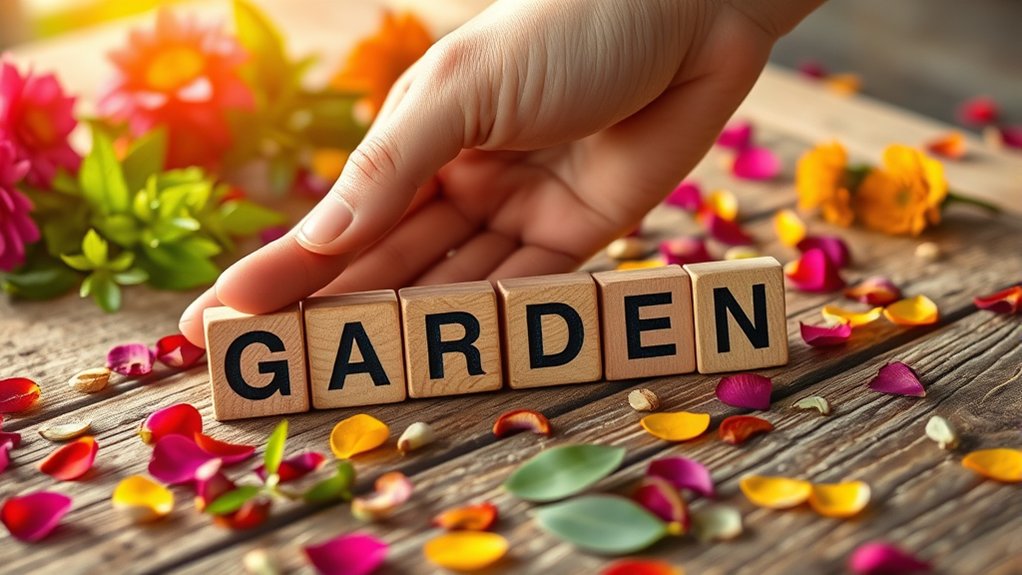
How do you spell “garden”? You write it as garden when you describe a place where you grow flowers, vegetables, or other plants. You might use the word while planning a garden layout, choosing a spot for a vegetable patch, or explaining how you enjoy spending time outdoors. In each case, the same spelling applies.
You can also use garden as a verb. If you garden, you work with plants by planting, watering, pruning, or weeding. The spelling stays the same whether you’re talking about a backyard space or the activity itself. For example, you might say, “I garden after work,” or, “My garden needs attention.”
When you write about plant care, check that you’ve typed garden correctly, especially in a title, label, or message. Spell-check tools can help, but they may not catch every mistake if you’ve entered a different valid word. Read your sentence once to confirm that garden fits the meaning you intend.
What Are the Six Letters in “Garden”?
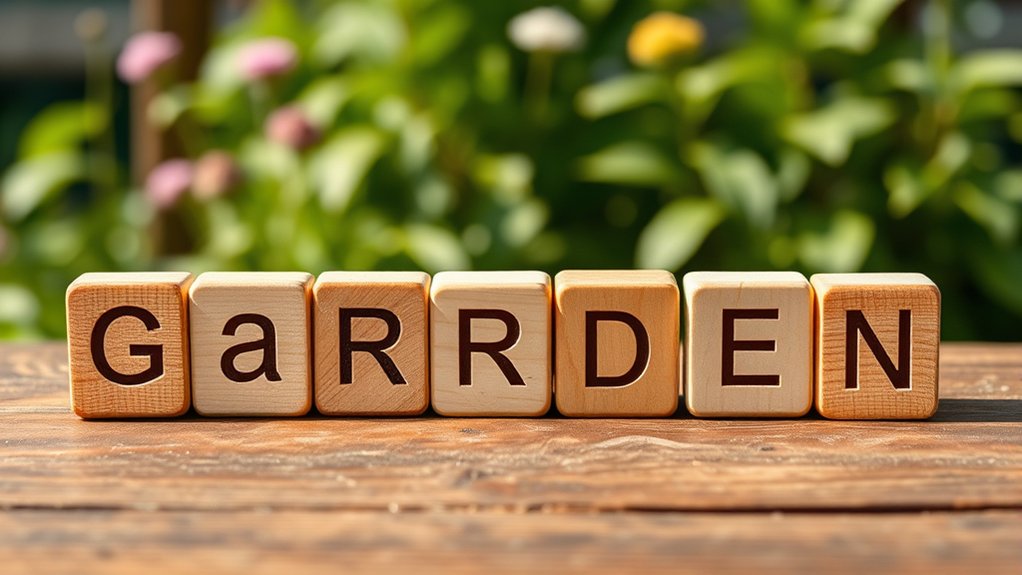
You can spell “garden” by naming its six letters in order: G, A, R, D, E, and N. It has two vowels and four consonants. Now, let’s look at some common mistakes to avoid.
Letter-by-Letter Breakdown
What letters make up “garden”? You spell the word with six letters in this order: G, A, R, D, E, N. Say each letter as you write it, and you’ll have a simple way to check your spelling. Start with G, then add A and R. Follow them with D, E, and N. Keep the sequence together: garden.
You’ll see “garden” in everyday writing about outdoor spaces, flowers, and vegetables. When you learn gardening terminology, you may encounter the word in instructions, labels, or descriptions.
You might also use it when discussing planting techniques, such as preparing soil or arranging seeds. In each case, write the same six letters in the same order. If you’re unsure, pause and spell the word aloud, matching each spoken letter to its place on the page.
Vowel and Consonant Count
In “garden,” the six letters include two vowels, A and E, and four consonants, G, R, D, and N. When you look at the word’s structure, you can separate its letters by sound type. The garden vowels appear in the first and third positions, while consonants fill the other four spots. This simple pattern gives you a clear consonant count and helps you describe the word’s composition.
| Letter group | Letters |
|---|---|
| Vowels | A, E |
| Consonants | G, R, D, N |
| Total vowels | 2 |
| Total consonants | 4 |
You can use this count to understand how “garden” is built without changing its spelling. Say the word aloud and notice how the vowels support its syllables, while the consonants shape its sounds. Counting each letter once confirms that the word has six letters altogether.
Common Spelling Mistakes
A quick letter check can prevent common spelling mistakes in “garden.” You need six letters, in this order: G, A, R, D, E, N. Say the word slowly as you write it, then compare each letter with the correct sequence. This simple habit helps you catch swapped, missing, or extra letters before they become routine.
- Don’t write “gardan”: keep the second vowel as E, not A.
- Don’t write “garnden”: place D before E, and avoid adding another letter.
- Don’t write “garen”: include D after R to complete the middle consonant sequence.
When you check garden typography, focus on the printed letter order, not the font’s style. Garden etymology may explain the word’s history, but it won’t change its modern spelling. Read your final version aloud and verify all six letters.
How Do You Say “Garden” Slowly?
To say “garden” slowly, break it into two syllables: GAR-den. Start with GAR, then add den. Keep the first syllable clear and strong; say the second more lightly. If you’re asking, “how do you say ‘garden’ slowly?”, practice each part before joining them.
| Step | Say | Focus |
|---|---|---|
| 1 | GAR | Stress this syllable |
| 2 | den | Keep it short |
| 3 | GAR-den | Blend the parts |
Now repeat GAR-den at a steady pace. Tap once for each syllable as you speak: one tap for GAR, one for den. This rhythm helps you hear the two parts and remember their order when you write the word.
For spelling tips for non native speakers, say the word aloud, listen for both syllables, and connect each sound to its letters. Don’t add an extra syllable or stretch the ending. Practice slowly, then say it at your usual speed.
What Does “Garden” Mean?
A garden is a place where people grow flowers, vegetables, herbs, or other plants. You can find one in a backyard, a park, or a container on a balcony. The word describes both the space and the plants you cultivate there.
Gardens may serve practical, decorative, or relaxing purposes, and many combine all three. To understand what a garden can offer, consider these common types:
- Vegetable garden: You grow edible crops, such as tomatoes, lettuce, or carrots, to enjoy fresh food.
- Flower garden: You cultivate blooms for color, fragrance, and visual appeal.
- Herb garden: You raise useful plants, such as basil, mint, or parsley, for cooking or tea.
Your garden’s design and purpose depend on your choices, available space, and local climate. Learning about garden history can show how people have shaped these spaces across cultures and generations.
With thoughtful plant care, you can help your garden thrive, whether you tend a single pot or a large plot.
How Do You Use “Garden” in a Sentence?
You can use “garden” as a noun for a place where plants grow or as a verb meaning to tend plants. As a noun, it names a space: “You planted tomatoes in the garden.” As a verb, it describes an activity: “You garden every weekend.” In both examples, the word fits naturally into the sentence and makes its meaning clear.
You can also use “garden” in descriptive phrases, such as “garden tools” or “garden flowers.” These combinations help you build garden related vocabulary while showing how the word works with other nouns. When you write, choose the form that matches your meaning: a garden is a place, while to garden means to care for plants.
If you’re curious about how to spell garden in other languages, compare translations, but remember that each language has its own spelling and grammar. Practice using “garden” in your own sentences to become more confident with its meaning and use.
What Are Common Misspellings of “Garden”?
Which spellings of “garden” should you watch for? When you write about a garden layout or plan vegetable beds, a small typo can make your notes look less polished. The standard spelling is garden, with one “r” and one “d.” Watch for these common errors:
- Gardin: You might leave out the second “e,” especially when typing quickly. Write “garden,” not “gardin.”
- Gardan: This version swaps the final “e” for an “a.” Check the last vowel before you finish your sentence.
- Garrden: You might accidentally double the “r.” Keep just one “r” between the “a” and “d.”
These mistakes can appear in labels, shopping lists, or descriptions of your outdoor space. If you spot one, correct it so readers can understand your meaning without distraction. Pay particular attention when you enter the word in a heading or repeat it across a document; consistent spelling keeps your writing clear.
What’s an Easy Way to Remember the Spelling?
You can remember how to spell “garden” by breaking it into two syllables: gar-den. It has one d, not two. Try using a simple memory phrase to help the spelling stick.
Break It Into Syllables
Try these three steps:
- Hear the beats: Say “gar” and “den” separately. You’ll notice two clear syllables.
- Write each part: Put gar first and den second. Keep the order steady as you combine them.
- Check the whole word: Read garden aloud and compare it with what you’ve written. If the sound and spelling match, you’ve got it.
Practice the split a few times, and you’ll find the spelling easier to retrieve when you need it.
Remember The Double D
A simple memory trick can help you spell garden correctly: remember that it has one d, not two. The word follows the pattern g-a-r-d-e-n, with a single d between r and e. When you write it, pause briefly at that letter and check that you haven’t doubled it. This quick check can keep a familiar word from becoming a spelling mistake.
You might see garden in lessons about garden history or plant taxonomy, but its spelling stays the same in every context. Don’t let the word’s connection to plants distract you: focus on its letters. If you’re unsure, write the word slowly, then scan it from left to right. You’ll spot the lone d and confirm that garden has six letters. That’s all you need to remember here.
Use A Memory Phrase
Need an easy way to remember how to spell garden? Turn its letters into a short phrase you can picture. Say it aloud, then write “garden” from memory. The word has six letters: G, A, R, D, E, and N. A simple cue helps you keep their order straight, especially when you’re writing quickly.
Try one of these memory phrases:
- Green Apples Remind Dogs Every Night—the first letters spell GARDEN.
- Gardeners Arrange Roses, Daisies, Evergreens, Naturally—picture the plants as you say it.
- Grandma’s Amazing Roses Delight Everyone Nearby—use this playful line as garden trivia for a spelling game.
Choose the phrase that sticks best, or create your own. You can even swap in plant families you recognize. Repeat your cue once, cover it, and spell the word without looking.
Is the Spelling Different in British English?
No—“garden” is spelled the same in British and American English. You can use the same six letters wherever you write: g-a-r-d-e-n. The word doesn’t gain an extra letter or change its ending across the Atlantic.
You may notice other British English spelling differences, such as colour instead of color, but garden isn’t one of them. If you’re writing for a British audience, keep the standard spelling “garden.” You don’t need to switch to a regional variant.
The spelling also stays the same when you use garden as a verb vs noun. As a noun, it names a place where you grow plants: “Your garden looks lovely.” As a verb, it describes an activity: “You garden on weekends.” The meaning and grammar change, but the letters don’t.
How Can You Practice Spelling the Word?
How can you make “garden” stick in your memory? Practice it in short, focused ways that help you recall each letter. Say the word aloud, spell it slowly, then write it without looking.
Connect its spelling to familiar ideas, such as garden care or outdoor planting, to make practice more engaging. Keep your sessions brief and repeat them often; steady review works better than cramming.
- Write it from memory. Cover the word, spell “garden” on paper, and check your answer. If you miss a letter, write the correct spelling three times.
- Break it into parts. Say “gar” and “den,” then join the parts. Notice the single “r” and the ending “den.”
- Use a quick challenge. Add “garden” to a practice list, mix it with other words, and test yourself later. You can also type it in a sentence, then proofread each letter.
Track your progress for a week. When you spell it correctly several times, you’ll remember it more easily.
When Should You Use the Word “Garden”?
Once you’ve learned to spell “garden,” use it when referring to a place where people grow flowers, vegetables, or other plants. You can describe a small backyard plot, a community growing space, or a landscaped area outside a home. For example, write, “I planted tomatoes in the garden,” when you mean the place where the plants grow.
You’ll also use “garden” to discuss gardening as a hobby. If you enjoy planting seeds, tending flowers, or harvesting vegetables, you can say, “I spend weekends in the garden.” The word can refer to the space itself or, in some contexts, the activity of cultivating it.
Notice garden usage in daily life, too. You might read about a botanical garden, a garden center, or a garden party. Use the word when the context involves plants, cultivation, or a setting named for its garden features. Check the sentence’s meaning to choose the right use.
Frequently Asked Questions
Is “Garden” a Noun, a Verb, or Both?
“Garden” is both a noun and a verb. As a noun, it names a place where you grow flowers, vegetables, or other plants. As a verb, it means you tend or cultivate such a place.
You might ask, “is ‘garden’ a noun, a verb, or both?” The answer is both, depending on how you use it. And yes, is the word “garden” used metaphorically in literature? Writers often use it to suggest growth, beauty, or care.
What Is the Plural Form of “Garden”?
The plural form of “garden” is “gardens.” You can use “garden” as a noun for a cultivated outdoor space or, less commonly, as a verb meaning to tend plants.
What is a garden’s plural form, and how is “garden” used in different contexts? You’ll say “gardens” when referring to more than one.
How do gardeners’ phrases and garden design terms differ in everyday usage? They describe gardening activities or specific styles, not plural forms.
What Are Some Synonyms for “Garden”?
You can call a garden a yard, plot, patch, flower bed, or green space—but one alternative may fit your meaning better than the rest. For a cultivated area, try “grounds” or “planting.” For a place where vegetables grow, “vegetable patch” works well. These garden synonyms vary by setting and style, so choose one that suits your sentence. If you’re exploring garden orthography, remember that spelling and word choice serve different purposes.
What Is the Origin of the Word “Garden”?
The origin of the word garden traces to Old French *gardin* and Anglo-Norman *gardin*, meaning an enclosed space. You can follow it further to Frankish *gardo*, related to Proto-Germanic roots meaning “enclosure” or “yard.”
These are the origin of the word garden and its earliest roots. As the term traveled through languages, garden’s semantic shift across languages broadened its meaning from a protected plot to a cultivated space for growing plants or enjoying nature.
What Compound Words Include “Garden”?
Like Alice stepping through a looking glass, you’ll find “garden” opening into many combinations. Compound garden words include garden gate, garden hose, garden path, garden party, garden center, garden gnome, and garden-variety.
Some are open compounds, written as separate words, while others, such as “gardenia,” aren’t compounds. For garden-related phrases, you can use “secret garden” or “kitchen garden.” Check a dictionary when you’re unsure whether a combination takes a hyphen.
Conclusion
When you write about a garden, remember its six letters: G-A-R-D-E-N. Say the word slowly, picture a garden you love, and practice spelling it in a sentence. That small habit can help you feel more confident every time you use the word.
You’re not alone in finding spelling tricky: research suggests about 1 in 5 adults struggles with literacy. Keep practicing, and you’ll make “garden” a word you can spell with ease.