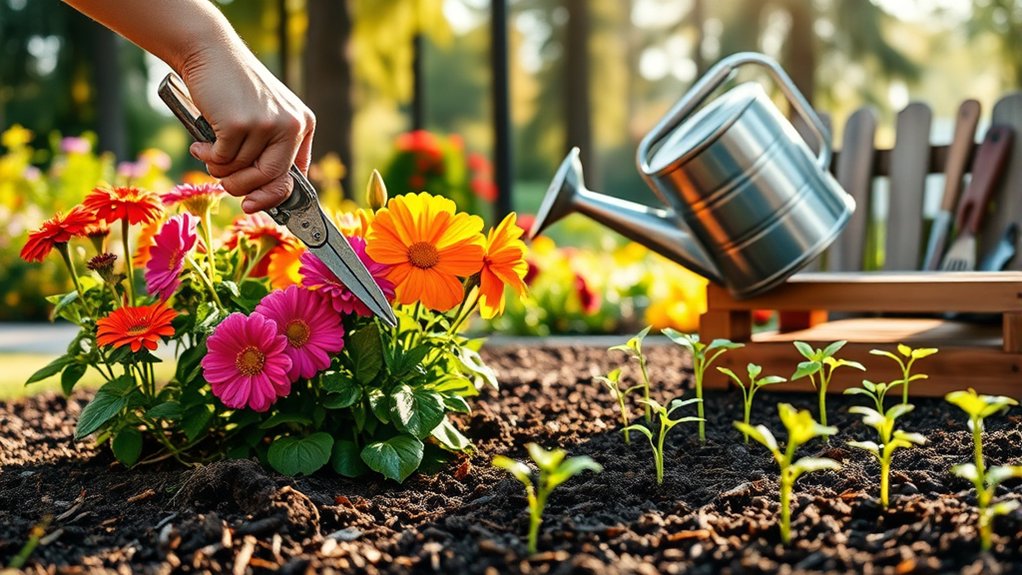
10 Essential Tips on How to Care for a Garden
Keeping a garden healthy can feel overwhelming when plants wilt, weeds take over, or you’re not sure what to do next. You’re not alone—many people struggle to keep their gardens thriving. These essential tips on how to care for a garden can help you get started with confidence.
To care for a garden, match plants to your sunlight, climate, and available space. Prepare loose, healthy soil with compost, then plant at the right time, depth, and spacing. Water at soil level when the soil feels dry, and mulch to conserve moisture and suppress weeds. Feed plants when they need nutrients, prune thoughtfully, and check often for pests or disease. As plants grow, adjust care to changing weather and needs. These essentials provide a strong start for a thriving garden.
Key Takeaways
- Assess sunlight, climate, drainage, and soil before choosing plants suited to your garden’s conditions.
- Prepare soil by loosening compacted areas and adding finished compost where needed.
- Plant at the right time, depth, and spacing, following frost dates and mature plant size.
- Water at soil level when the soil feels dry, and mulch to retain moisture and suppress weeds.
- Weed regularly, prune carefully, and inspect plants for pests or disease; remove infected growth promptly.
Assess Your Garden’s Sunlight and Climate

Before choosing plants, note how much sunlight each part of your garden receives and when. Track morning and afternoon exposure, and watch how buildings, fences, and trees cast shade as the seasons change. To assess sunlight accurately, check each area on several clear days. Most plants need specific amounts of direct light, so match their requirements to the conditions you observe.
Next, consider your local climate zones and typical weather. Your region’s zone can help you identify plants that tolerate winter lows, but it won’t capture every challenge. Notice summer heat, wind, rainfall patterns, and late frosts. These details help you choose plants suited to your garden, not just your map.
Pay attention to soil drainage without turning this into a soil-preparation project. After rain, observe where water lingers and where the ground dries quickly. If you often face dry spells, prioritize drought tolerance. Choosing plants that fit your site’s light, climate, and moisture conditions can reduce stress and make ongoing garden care easier.
Prepare Healthy Soil for Your Garden
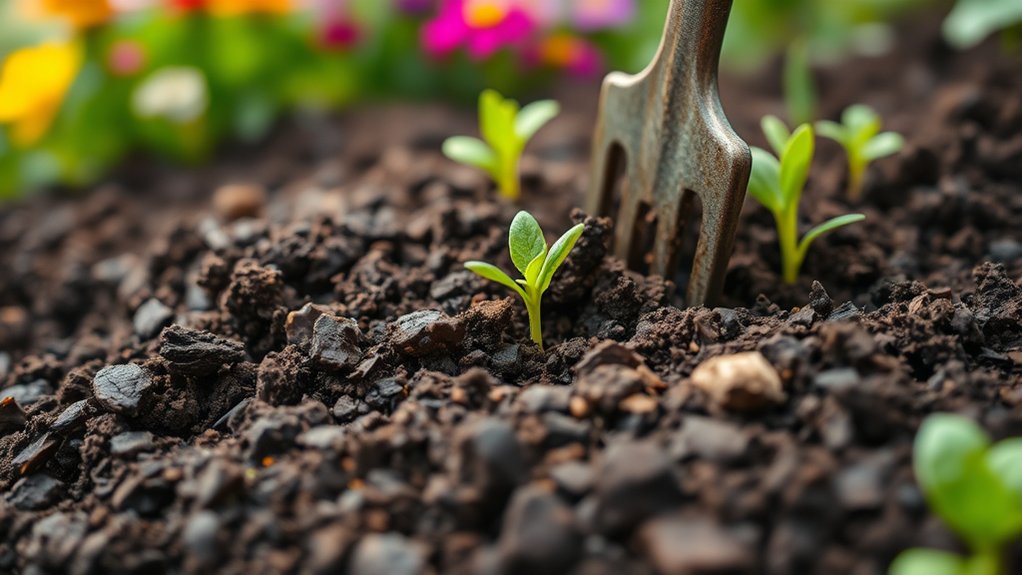
Once you’ve matched plants to your garden’s light and climate, check the soil they’ll grow in. Healthy soil supports strong roots, steady drainage, and microbial activity. Squeeze a handful: it should hold together loosely, then crumble when you tap it. If it stays sticky or falls apart like dust, improve its soil structure.
| What you notice | What you can do |
|---|---|
| Hard, compacted soil | Loosen it with a garden fork |
| Water pools on top | Mix in finished compost |
| Dry, dusty soil | Add compost and water deeply |
| Pale, thin soil | Spread a layer of compost |
| Earthworms in the bed | Protect this living soil |
Before adding amendments, remove stones, weeds, and debris. Work compost into the top few inches, but avoid digging when soil is wet; that can compact it.
Test your soil’s pH and nutrient levels through a local extension service, then adjust only as needed. Cover bare ground with mulch to help retain moisture and protect soil life.
Recheck the bed each season, and replenish organic matter as it breaks down.
Choose Plants That Suit Your Space
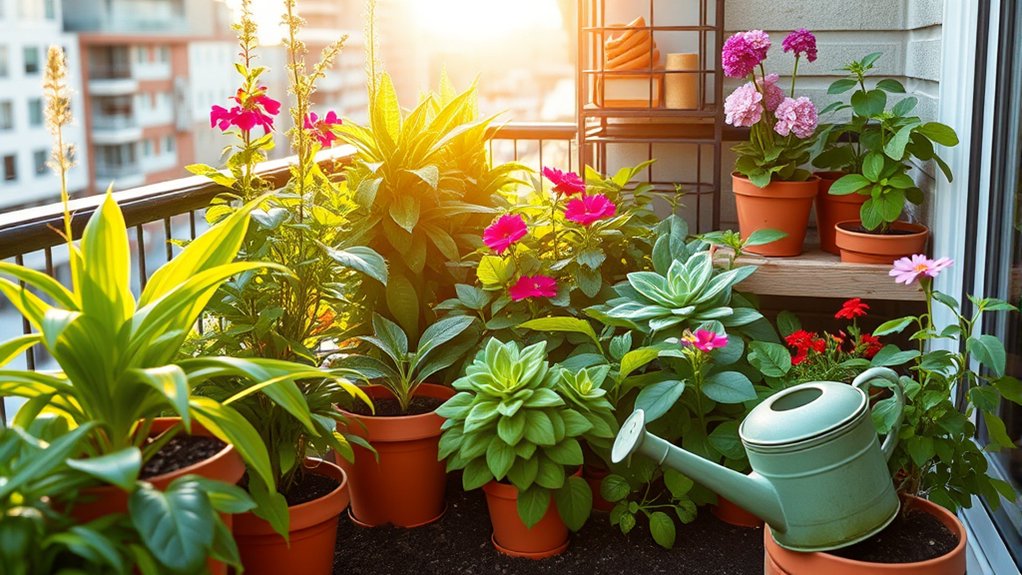
Choose plants that fit your available space, light, and climate to give them the best chance to thrive. Before you buy, measure your garden beds, containers, or balcony and note how much room each plant will need as it matures. When you choose space wisely, you’ll avoid overcrowding and make everyday care easier.
Pay attention to sunlight, too. Track which areas receive full sun, partial shade, or mostly shade, then match plants to those conditions. Check your local climate and growing zone so you can select varieties suited to your typical temperatures and seasonal weather. Native plants often adapt well and support local pollinators, while drought-tolerant choices can help if your summers run dry.
Think about your goals as well. Choose vegetables, herbs, flowers, or shrubs that suit your interests and the time you can give them. Read plant labels for mature size and care needs, and favor options that fit your garden’s conditions rather than forcing a poor match. This thoughtful selection helps your garden stay healthy and manageable.
Plant at the Right Time and Depth
When should you plant? Check your region’s frost dates and each plant’s preferred growing season. Timing matters: put cool-season crops in the ground while temperatures remain mild, and wait until frost danger passes before planting warm-season varieties. Your local planting calendar can help you choose dates, but adjust for unusual weather and your garden’s conditions.
Next, follow depth guidelines for every seed, bulb, and transplant. Read the plant label or seed packet, since planting too deeply can prevent emergence, while shallow placement may expose roots or leave seeds vulnerable. As a general guide, sow seeds at a depth about two to three times their width, unless instructions say otherwise.
Set transplants so the root ball sits level with the surrounding soil; bury tomatoes deeper only when their care instructions recommend it. Space plants according to their mature size, too, so they’ve room to grow without crowding. Taking time to check dates, labels, and placement gives your garden a stronger start.
Water Your Garden the Right Way
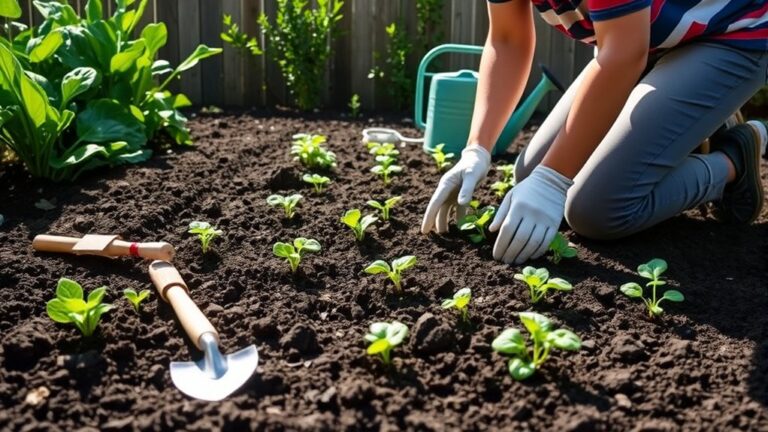
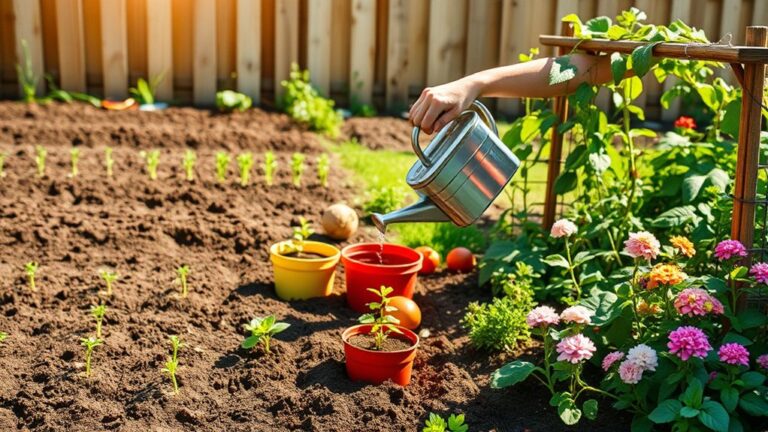
After planting at the right time and depth, water gently to help roots settle into the soil. Give each plant a slow, thorough drink, directing water toward its base rather than spraying leaves. This helps moisture reach the roots and reduces waste.
Check soil moisture before watering: press a finger an inch into the ground. If it feels dry, water; if it feels damp, wait and check again later. Your plants’ needs change with weather, soil, and growth, so don’t follow a rigid schedule. Good irrigation timing means watering early in the morning, when less water evaporates and foliage can dry during the day.
- Watch a gentle stream soak around young seedlings.
- Feel cool, slightly damp soil beneath the surface.
- Water deeply until the root zone feels moist.
- Check containers daily on hot, windy days.
Adjust your routine after rain, and use a watering can or hose nozzle that won’t disturb tender stems. Consistent, thoughtful watering helps your garden establish strong roots.
Mulch to Protect Garden Soil
A layer of mulch protects garden soil by slowing evaporation, suppressing weeds, and softening temperature swings. Spread it around your plants to help the ground stay evenly moist and reduce how often you need to water. These mulch benefits also shield soil from pounding rain, which can cause erosion and expose roots.
Choose an organic mulch, such as shredded leaves, straw, or bark, to cover the soil while letting air and water pass through. Apply a layer about two to three inches deep, keeping it a few inches away from stems and trunks. Mulch piled against plant bases can trap moisture and encourage rot.
For effective soil moisture preservation, refresh the covering as it breaks down or shifts. Pull weeds before mulching, then spread the material over bare ground without burying low-growing plants. In spring, wait until the soil has warmed before applying mulch, so you don’t hold in the cold. Check the layer occasionally and replenish thin spots.
Feed Plants When They Need It
Feed plants when they show signs of needing nutrients, such as slow growth or pale leaves. Before you reach for fertilizer, check the soil and consider whether light, water, or temperature might explain the change.
A simple soil test can reveal what’s missing, so you won’t add nutrients your plants don’t need. Understanding nutrient science helps you choose a balanced product and apply the right amount.
- Picture tomatoes setting fruit after a measured dose of compost.
- See leafy greens brighten with a gentle, nitrogen-rich feed.
- Imagine herbs growing in soil enriched with finished compost.
- Notice potted flowers perk up after diluted liquid fertilizer.
Follow the label, and don’t assume more food means faster growth; excess fertilizer can burn roots or wash into waterways. Apply feed to moist soil, paying attention to watering timing, then water as directed to move nutrients toward roots.
Feed during active growth, and pause when plants naturally slow down. Keep notes on products and results, so you can adjust future applications with confidence.
Prune and Weed Regularly
Prune with purpose to remove damaged growth and shape your plants. And weed consistently so unwanted growth doesn’t compete for water and nutrients. With regular care, your garden will thrive.
Prune With Purpose
Regular pruning and weeding help your garden stay healthy and productive. When you prune with purpose, you guide growth instead of simply trimming everything in reach.
Study each plant first, then make deliberate cuts that improve its shape, airflow, and access to sunlight. Remove damaged or crossing branches with clean, sharp tools, cutting just above a healthy bud. Your thoughtful approach protects blooms and encourages stronger growth.
- Snip dead stems to reveal fresh green shoots.
- Thin crowded branches so sunlight reaches the center.
- Shape shrubs gently, following their natural form.
- Lift fading leaves from around bright blossoms.
Check how each plant responds before making more cuts. Some flower on old wood, while others bloom on new growth, so learn their needs and prune at the right time.
Avoid removing too much at once. Careful, measured trimming keeps your garden balanced and helps each plant thrive through the season.
Weed Consistently
Weeds compete with garden plants for water, nutrients, and sunlight, so pull them while they’re small. Check your beds regularly, especially after rain, when damp soil makes roots easier to remove.
Follow a simple weeding schedule, such as a brief walk-through twice a week, to stop weeds from spreading or setting seed. Use a hand tool for deep-rooted weeds, and remove as much of each root as you can. Avoid disturbing nearby plants as you work.
Mulch bare ground to block sunlight and slow new growth. Keep mulch a few inches from stems to prevent rot.
Pay attention to soil texture management: loosen compacted areas gently, and add organic matter when soil needs better structure. Don’t leave pulled weeds with mature seeds in the garden. Consistent effort keeps beds tidy and reduces future work.
Prevent Common Garden Pests and Diseases
Check your plants regularly so you can spot pests and diseases early. You can also encourage beneficial insects to help keep common pests in check. If you find affected leaves, remove them promptly to stop disease from spreading.
Inspect Plants Regularly
A quick walk through your garden each week can help you catch pests and diseases before they spread. Set an inspecting schedule, and check each plant from leaf tips to soil line.
Turn leaves gently, look beneath them, and examine stems and new growth. Recognizing symptoms early helps you act before damage worsens.
- Spot pale trails, holes, or curled edges on leaves.
- Check undersides for clusters of eggs, webbing, or tiny insects.
- Notice yellow patches, dark spots, fuzzy growth, or wilting.
- Look for chewed stems, sticky residue, and unusual leaf drop.
Use a hand lens for small clues, and compare affected plants with healthy ones. Note what you find and where it appears.
Remove badly damaged leaves with clean tools, then monitor nearby plants closely. Regular checks help you respond promptly and keep problems from spreading.
Encourage Beneficial Insects
Regular plant checks help you spot trouble early, and encouraging beneficial insects can prevent some pests from taking hold. You can attract ladybugs, lacewings, and hoverflies, which feed on aphids and other garden pests.
Grow pollinator friendly plants, such as dill, yarrow, and native flowers, to provide nectar and pollen throughout the season. Choose a variety of blooms so insects can find food from spring through fall.
Create beneficial insect habitat by leaving a few sheltered spots, such as a small patch of bare soil, hollow stems, or a shallow water source with stones for perching. Avoid broad-spectrum pesticides, which can harm helpful insects along with pests.
Instead, identify the insects you see and give beneficial species time to reduce pest numbers. A diverse garden supports natural balance and helps protect your plants.
Prevent Disease Spread
To prevent disease from spreading, remove infected leaves or plants as soon as you spot them, and discard them in the trash rather than the compost. Clean your tools between cuts, and don’t handle healthy plants after touching diseased ones.
Water at soil level so foliage stays dry, and leave enough space for air to move between stems.
- Wipe pruning shears with alcohol after each infected branch.
- Pick up fallen leaves before damp piles harbor fungus.
- Check leaf undersides for spots, eggs, or tiny pests.
- Keep mulch away from stems to discourage rot.
Avoid moving plants or soil that may carry Invasive species or hidden pathogens. For waterlogging prevention, improve drainage and avoid overwatering; soggy roots weaken plants and invite disease.
Rotate crops each season, and choose resistant varieties suited to your garden. Check plants regularly so you can act early.
Adjust Garden Care as Plants Grow
As your plants grow, their needs change, so adjust your care to match. Use growth monitoring to spot new demands early: check leaf color, soil moisture, flowering, and root space each week. Then tailor watering, feeding, pruning, and support to each plant’s stage.
| Growth stage | Care adjustment |
|---|---|
| Seedling | Keep soil evenly moist; provide gentle light. |
| Leaf growth | Water deeply; add balanced fertilizer if needed. |
| Budding | Support stems; avoid excess nitrogen. |
| Flowering | Maintain steady moisture; remove spent blooms. |
As plants mature, roots may need more room. Thin crowded seedlings or transplant them before they compete for water and nutrients. Add stakes or trellises before heavy fruit or blooms strain stems.
During seasonal transitions, reduce watering as temperatures cool, and protect tender plants from frost. In hot weather, mulch beds and check containers more often, since they dry quickly.
Keep observing; your garden’s changing signals will guide practical adjustments. Make one change at a time, then watch how plants respond. That helps you refine care without stressing them.
Frequently Asked Questions
How Should I Clean and Store Garden Tools?
Clean your garden tools after each use by brushing off soil, washing away sap, and drying every surface thoroughly. For cleaning tools with rust, scrub gently with steel wool, then apply a light coat of oil to metal parts.
Sharpen blades as needed, and disinfect them between plants to limit disease spread. When storing tools, hang them in a dry, sheltered place; keep handles off damp floors and protect sharp edges with covers.
How Can I Make My Garden More Welcoming to Pollinators?
Turn your garden into a buzzing welcome mat by giving pollinators food, water, and shelter. Plant pollinator friendly plants that bloom from spring through fall, so bees and butterflies can find a steady buffet.
Choose native nectar sources suited to your region; they’ll nourish local species and usually need less care. Skip pesticides, leave a few bare patches for ground-nesting bees, and add a shallow water dish with stones. Your garden will soon hum with life.
What Should I Consider When Planning Garden Paths?
Plan garden paths around how you move through the space, where you want to go, and how wide the route needs to be. Sketch a step by step layout, including entrances, seating areas, and garden beds.
Choose path materials that suit your climate, budget, style, and maintenance preferences; consider gravel, pavers, or stepping stones. Ensure paths drain well, stay stable underfoot, and provide enough room for comfortable access, even when plants grow.
How Can I Reduce Garden Waste Through Composting?
You can reduce garden waste through composting, and the theory that scraps simply rot away is only partly true: without enough air and balanced materials, they may smell instead. Chop leaves and prunings, then mix them with fruit and vegetable scraps in roughly equal amounts of greens and browns. Keep the pile damp, turn it regularly, and leave out meat and dairy. Use garden tools to maintain it, and improve storage organization for easy access.
Are Raised Garden Beds Worth Building?
Yes, raised garden beds are worth building if you want better soil control, easier access, and improved drainage. Your cost benefit analysis should weigh materials and construction time against years of convenient planting.
For raised bed durability, choose rot-resistant wood, metal, or masonry, and ensure the structure suits your climate. You’ll pay more upfront than for in-ground planting, but a well-built bed can last for years with minimal repairs.
Conclusion
A thriving garden doesn’t require perfect conditions, just attention and small, consistent adjustments. Notice how sunlight, soil, watering, and seasonal changes affect your plants, then respond before problems grow.
For example, if your tomatoes wilt during a hot spell, check the soil before watering. Dry soil calls for a deep soak, while damp soil may signal another issue.
Keep learning from what succeeds and what struggles. With patience, you’ll build healthier plants and learn how to care for a garden that suits your space.