3 Tips to Get Good Plants in Grow a Garden
Choosing the right plants in *Grow a Garden* can be tricky when you’re balancing growth time, garden space, and Sheckle earnings. You’re not alone—many players struggle to know which seeds are worth planting. These three tips can help you get good plants in *Grow a Garden* and make the most of your garden.
To get good plants in *Grow a Garden*, choose seeds that fit your goals and budget. Compare their costs, growth times, and potential Sheckle returns; mix quick-growing crops for steady earnings with valuable plants for bigger rewards.
Next, check your garden often, water crops when needed, and watch their growth stages and condition so you can respond to changing weather or mutations.
Finally, keep plants that earn their space and replace low-value crops when better seeds or upgrades become available. The tips below can help you plan each step.
Key Takeaways
- Choose seeds that match your goals, comparing their cost, growth time, expected value, and space requirements.
- Balance quick-growing, affordable crops with high-value plants for steady Sheckles and larger future earnings.
- Check seed descriptions and shop prices before buying, and avoid spending all your Sheckles on one crop.
- Monitor growth, weather, and plant condition; water crops when needed and harvest them when they’re ready.
- Replace low-value plants when useful, planning ahead to preserve space and seedlings for replanting.
Choose Seeds for Your *Grow a Garden* Goals
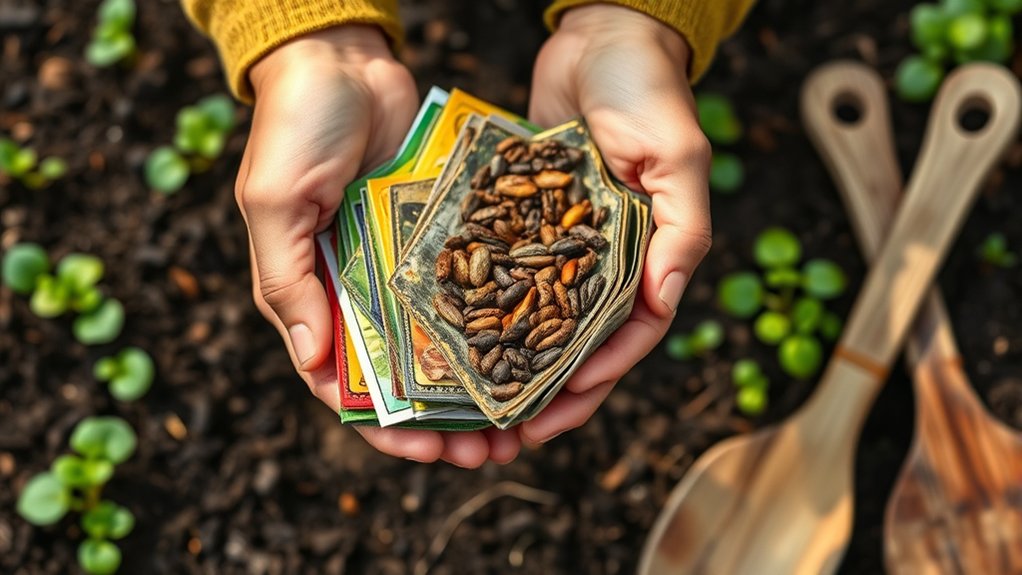
Choose seeds that match your goals in *Grow a Garden*: pick fast-growing crops for quick rewards or valuable plants to earn more Sheckles. Your seed selection shapes how quickly you can build a useful harvest and what you’ll gain from it.
If you want steady progress, choose affordable seeds that mature quickly, so you can collect crops and reinvest sooner. If you’re saving for bigger purchases, look for plants with higher selling value, even when they take longer to grow.
Before planting, compare each option’s cost, growth time, and potential return. Consider germination traits, too: some seeds may be more reliable or better suited to your available space.
Choose a mix if you want both quick earnings and longer-term value, but avoid spending all your Sheckles on one costly crop. Check seed descriptions and prices in the shop, then pick plants that fit your budget and current goal. A thoughtful choice gives your garden a stronger start.
Care for Plants as They Grow
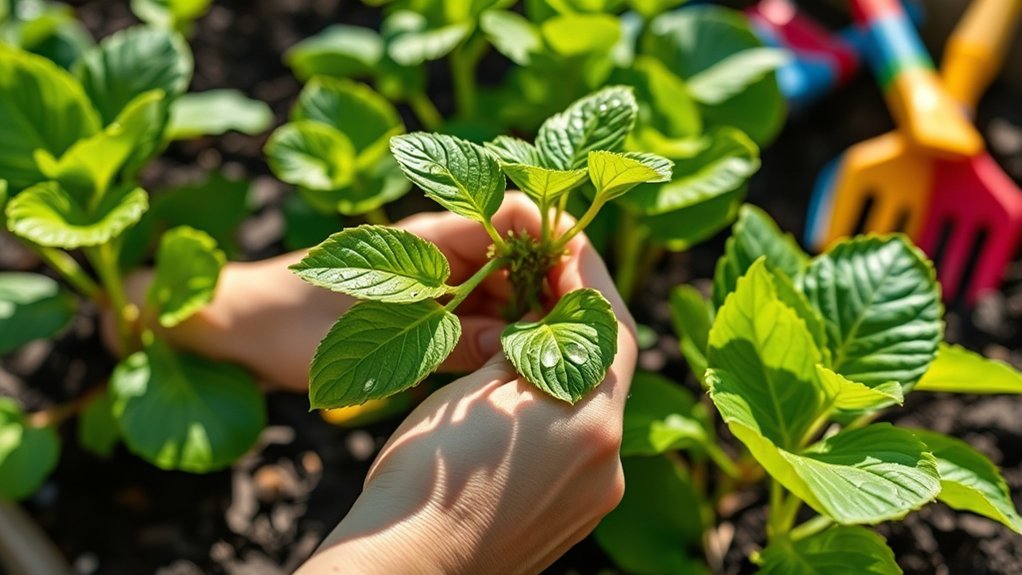
Once your seeds are planted, tend them regularly to help your crops thrive. Check your garden often, since timely care growth can improve each plant’s progress. Water crops when they need it, and watch for signs that they’re ready to harvest. Weather and mutations can affect results, so adjust your routine as conditions change.
| Task | What to check | Why it helps |
|---|---|---|
| Water | Crop needs | Supports growth |
| Inspect | Plant condition | Catches problems |
| Observe | Weather changes | Guides your routine |
| Harvest | Readiness | Collects produce |
Keep an eye on each crop’s stage instead of relying on guesswork. If a plant looks different, review its needs and respond promptly. Regular attention supports plant longevity and helps you make the most of your garden’s growing cycle.
You don’t need to hover over every seed; brief, consistent checks are enough. Use what you learn from each harvest to fine-tune how you care for your next round of plants. This steady approach helps you grow healthy crops without wasting time or resources.
Keep Valuable Plants and Replace the Rest
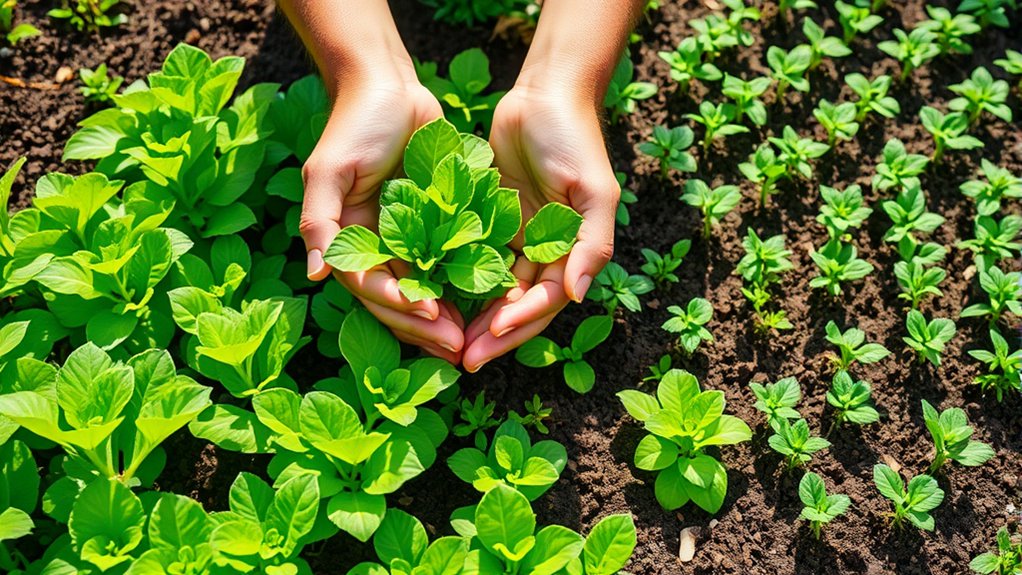
As your garden fills up, keep the plants that produce the most value and replace those that take up space without helping your goals. Check each plant’s harvest, growth time, and usefulness before deciding what stays. A crop that earns more or supports your next upgrade may deserve a spot, while a slow, low-value plant can go.
Plan ahead when you clear a space. Keep seedlings ready so you can replant quickly, and protect specimens that are rare, hard to grow, or especially profitable. If a valuable plant disappears, replace losses as soon as you can rather than leaving empty plots idle. You can also preserve favorites for variety or personal goals, even when they aren’t your top earners.
Review your garden as your needs change. New seeds, upgrades, and goals may make yesterday’s best choice less useful. Make deliberate swaps, and you’ll keep your space productive without losing plants you truly value.
Frequently Asked Questions
What Is *Grow a Garden*?
Grow a Garden is a popular Roblox farming game where you plant seeds, grow crops, harvest produce, and earn money to expand your garden. You can buy new seeds, unleash tools, and build a thriving farm as you play.
If you’re asking, “What is Grow a Garden?” think of it as a relaxing game about cultivating plants and progressing over time. How to Define Growth? You grow by nurturing crops and improving your garden.
Can I Play *Grow a Garden* With Friends?
Yes, you can play *Grow a Garden* with friends. Like a medieval town crier announcing a garden party, the game lets you invite others to join your Roblox server. Can multiplayer mode make planting more fun? Absolutely: you can enjoy cooperative gardening, show off your crops, and explore together. Join the same server or invite friends through Roblox, then work side by side as you grow your garden and share the experience.
How Do I Earn Coins in *Grow a Garden*?
You earn coins in *Grow a Garden* by planting seeds, harvesting crops, and selling your produce. Choose quick-growing plants when you need money fast, then reinvest your earnings in better seeds. These earn coins strategies help you build your balance steadily.
For useful coin farming tips, keep your garden planted, harvest often, and check which crops sell for the best prices. Complete available tasks, too, since they may reward extra coins. Don’t leave ripe crops waiting.
What Pets Can I Collect in *Grow a Garden*?
You can collect a wide range of pets in *Grow a Garden*, including dogs, cats, rabbits, chickens, bees, and rarer creatures such as dragons or dinosaurs, depending on the game’s current updates. These pets to collect can add fun and variety to your garden, and some may offer useful bonuses while you play. Check the in-game shop, events, and eggs to discover available garden companions and expand your collection.
How Do I Unlock New Areas in *Grow a Garden*?
You unlock new areas in *Grow a Garden* by progressing through the game and meeting each zone’s requirements. Check gates, signs, or map markers for clues about what you need, such as reaching a level, collecting currency, or completing tasks.
Save resources for access fees, and revisit locked paths as you advance. To uncover secrets, explore zones carefully and watch for hidden entrances or prompts. If a route stays closed, keep growing and check again.
Conclusion
Choose seeds that match your goals, care for each plant as it grows, and replace the ones that aren’t helping your garden thrive. Pay attention to what works, then use those lessons to make smarter choices next time.
You don’t need every plant to be a winner; keep your valuable finds and let the rest go. With a little patience and thoughtful planning, you’ll find good plants in Grow a Garden and help your garden blossom into a collection that’s worth growing.