How to Grow Vegetables Step by Step
Growing vegetables can feel overwhelming when you’re unsure what to plant, how to prepare the soil, or when to water. You’re not alone—many people struggle to get started and keep their plants thriving. This step-by-step guide to how to grow vegetables makes it easier to choose the right crops, care for them, and enjoy a rewarding harvest.
To grow vegetables step by step, choose crops that suit your space, climate, and available time. Pick a sunny spot, gather seeds or sturdy seedlings, and prepare loose soil with finished compost. Plant at the right time, depth, and spacing, following packet directions and local frost dates. Water when the top inch feels dry, then add mulch after the soil warms. Feed as needed, check for weeds and pests, and harvest promptly. You’ll find more tips for extending your harvest ahead.
Key Takeaways
- Choose vegetables suited to your space, climate, growing season, and available time; check seed packets for maturity, spacing, and light requirements.
- Select a sunny location, track its daily sunlight, and prepare the bed by removing weeds, loosening soil, and mixing in finished compost.
- Plant seeds or seedlings at the recommended depth and spacing, using local frost dates to choose the right planting time.
- Check soil moisture regularly; water at the base when the top inch is dry, and apply two to three inches of mulch after soil warms.
- Feed plants as directed, monitor for weeds and pests, and harvest vegetables with clean tools when they are ready.
Choose Vegetables for Your Growing Space

What should you grow? Choose vegetables that fit the space and time you can offer. If you have room for only a few containers, try compact crops such as lettuce, radishes, or bush beans. A larger plot can support sprawling plants, including squash, but check each variety’s mature size before buying seeds.
Think about what you enjoy eating, how often you’ll harvest, and how much care each crop needs. Fast-growing greens suit beginners and provide quick results; tomatoes and peppers need more attention but can reward you with a steady harvest. Match varieties to your local growing season, and choose seeds or transplants accordingly.
Before planting, use soil testing to learn whether your soil needs amendments and which crops will thrive. Plan crop rotation, too: avoid planting related vegetables in the same spot year after year. A simple garden map helps you track choices, space, and future planting plans. You’ll waste less and grow more.
Pick a Sunny Spot for Your Garden

Choose a sunny spot to help your vegetables thrive. Check how many hours of direct sunlight it gets each day, and avoid shady areas where plants may struggle to grow.
Check Daily Sunlight
Before you plant, check how much sunlight your garden gets throughout the day. Sun exposure can change as the sun moves, so don’t judge a spot from one quick look.
Choose a clear day and observe the area at several times, such as morning, midday, and late afternoon. Note when direct light reaches the ground and when it leaves.
Repeat this daily monitoring for a few days to account for changing conditions. You can use a notebook or take photos from the same position to compare results.
If you’re tracking sunlight in a container garden, move the container only after you’ve recorded its current pattern. This simple check helps you match vegetables with the light they need and make a confident planting plan before you prepare the soil or sow seeds.
Avoid Shady Areas
Once you’ve tracked the sunlight, pick a spot that gets plenty of direct light and stays clear of shade for most of the day. Most fruiting vegetables, such as tomatoes and peppers, need six to eight hours of sun to grow well.
Watch for trees, fences, buildings, and tall crops that might cast shadows as the sun moves.
Consider morning sun vs. afternoon sun: morning light helps dry dew, while intense afternoon sun can stress plants in hot climates. Choose the brightest suitable area, then use shade management to protect heat-sensitive crops without blocking light from sun-loving vegetables.
- Trim overhanging branches that shade your beds.
- Keep tall plants on the garden’s north side.
- Place leafy greens where they’ll get light shade during hot afternoons.
Gather Seeds, Seedlings, and Garden Tools

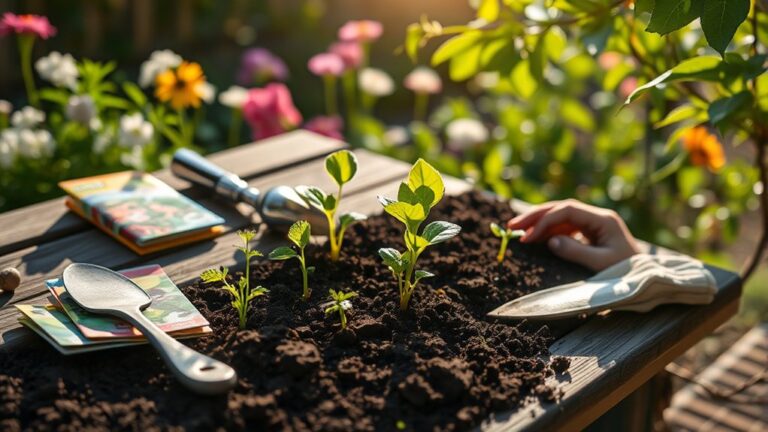
Choose seeds or seedlings that suit your climate and growing space. Pick vegetables you enjoy eating, and check when to plant them. You’ll also need a few basic tools, like a trowel, gloves, and a watering can.
Choose Seeds And Seedlings
Start with vegetables you enjoy eating, then select seeds or seedlings suited to your climate, growing space, and season. Check your local planting calendar to match each variety with the right sowing time.
Choose compact types for containers and productive varieties for limited beds. Read seed packets for days to maturity, spacing, and light needs, then assess seed viability by checking expiration dates and storage conditions.
If you buy seedlings, pick sturdy plants with healthy leaves, firm stems, and no pests. Avoid crowded roots or wilted growth. Plan seedling transplanting for a cool, cloudy day, and harden plants outdoors gradually beforehand.
- Select varieties that thrive in your region.
- Match plant size and maturity time to your space.
- Compare seeds with healthy seedlings for each crop.
Choose only the amount you can grow and enjoy.
Gather Essential Garden Tools
With your seeds or seedlings selected, gather a few reliable tools to prepare the soil and care for your plants. Start with a hand trowel for digging planting holes, a garden fork for loosening compacted soil, and a sturdy spade for larger beds.
Add a rake to level the surface and remove debris. Keep a watering can or hose nearby so you can water gently without washing seeds away. Gloves protect your hands, while plant labels help you track seed varieties and planting dates.
Choose tools that fit your garden’s size and feel comfortable to hold. Clean soil from blades after each use, dry metal parts, and sharpen cutting edges as needed.
Regular tool maintenance prevents rust, improves performance, and helps your equipment last. Store everything in a dry, accessible place.
Prepare Your Soil for Vegetables
Healthy soil gives vegetables the nutrients, water, and support they need to grow. Before you prepare it, clear away weeds, stones, and leftover plant debris. Check whether your soil feels sandy, sticky, or crumbly when damp; this helps you understand its soil structure and what it may need.
Healthy soil starts with clearing debris and noticing how it feels when damp—clues to what your vegetables need.
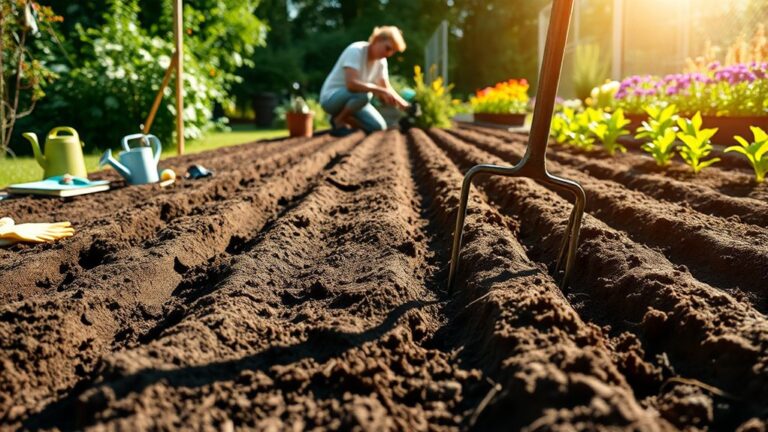
Loosen compacted ground with a garden fork, working only when the soil isn’t wet. Add a layer of finished compost to improve texture, feed beneficial organisms, and encourage microbial activity. If you’re using fertilizer, choose one suited to your soil’s needs and follow the label directions. A soil test can show its pH and nutrient levels, so you can make targeted adjustments rather than guessing.
- Mix compost into the top few inches without crushing the soil.
- Remove roots and debris that could interfere with healthy soil.
- Rake the surface smooth, keeping it loose and workable.
Finish by watering lightly if the soil is dry, then let the bed settle before your next gardening step.
Plant Vegetables at the Right Time and Depth
When should you plant vegetables? Check your local frost dates and each crop’s preferred growing conditions. Cool-season vegetables, such as peas and lettuce, can go into the ground in early spring, while tomatoes and peppers need warmer weather.
For a fall harvest, count backward from your area’s first expected frost, allowing each crop enough days to mature. Follow seed-packet guidance, and adjust for your local climate.
Before planting, read the recommended spacing and depth for each variety. Sow seeds too deeply, and they may struggle to emerge; plant them too shallowly, and they can dry out or fail to anchor.
Set transplants at the depth specified on their labels, taking care not to bury stems unless the instructions recommend it. Give plants room to reach their mature size.
Proper spacing supports space optimization by making efficient use of your garden without overcrowding. Consider root depth, too: deep-rooted crops need enough loose soil below them, while shallow-rooted crops can grow in less depth.
Water Vegetables as They Grow
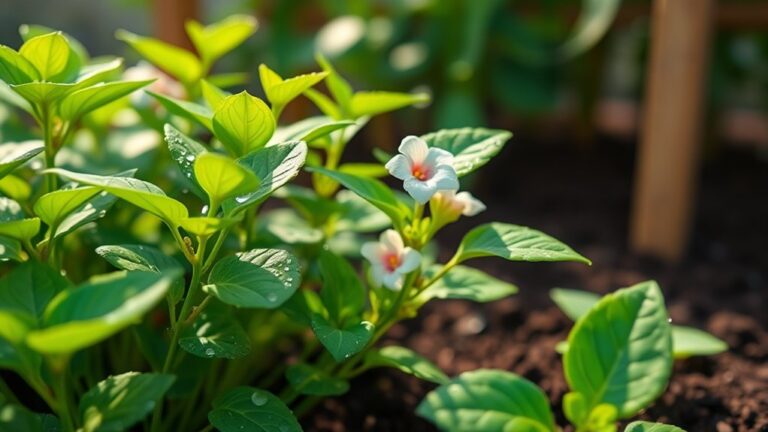
How often should you water vegetables? Check the soil before you reach for the hose. If the top inch feels dry, water slowly at the base until moisture reaches the roots.
Your watering frequency depends on weather, soil, and plant size: hot, windy days and sandy soil may call for more frequent watering, while cool spells and clay soil need less. Aim for steady moisture, not soggy ground, and adjust as your plants grow.
- Check soil moisture with a finger; don’t rely on a fixed calendar.
- Water early in the day so leaves can dry before evening.
- Use a drip irrigation setup to deliver water directly to roots and reduce waste.
Watch your plants for clues. Wilting can signal thirst, but it can also follow heat; check the soil before adding water. Water deeply enough to encourage strong roots, and avoid frequent, shallow splashes.
If rain falls, inspect the soil and skip watering when it’s already moist. You’ll conserve water and help your vegetables grow steadily.
Mulch and Feed Your Vegetable Plants
Choose organic mulch to help retain moisture and suppress weeds. Spread it evenly around your plants, but keep it clear of their stems.
Then feed your vegetables regularly to support healthy growth.
Choose Organic Mulch
Organic mulch protects your soil while it breaks down into nutrients for your vegetables. Choose a mulch material that suits your garden, the crops you grow, and what’s readily available. Different options vary in texture, nutrient content, and how quickly they decompose. Consider these common choices:
- Straw: Light and easy to spread, straw works well around many vegetables. Choose seed-free straw to limit unwanted growth.
- Shredded leaves: Gather fallen leaves for a low-cost option that gradually enriches your soil.
- Compost: Use finished compost as mulch when you want to add organic matter and nutrients.
You can also compare local sources for quality and cost. Avoid materials treated with chemicals or containing weed seeds. Your choice affects the benefits you’ll get from mulch application, so match the material to your plants and garden conditions before you begin.
Apply Mulch Properly
Once you’ve chosen a mulch, spread it in an even layer around your vegetable plants. Wait until the soil has warmed in spring; applying mulch too early can slow warming and delay growth.
Your mulching timing may vary with your climate, so check that the soil feels warm before you begin.
Keep the mulch material about two to three inches deep, leaving a few inches of clear space around each stem. Mulch piled against stems can trap moisture and encourage rot or pests.
Spread it over the soil between plants and along rows, taking care not to cover seedlings or leaves. If the layer thins or breaks down during the season, add a little more to maintain coverage.
Water the bed before mulching if the soil is dry, then keep the layer loose and even.
Feed Plants Regularly
Feed your vegetables regularly to support steady growth, flowering, and fruit production. Start with healthy soil enriched with compost, then choose a fertilizer suited to your crops. Follow package directions; too much fertilizer can burn roots or encourage leafy growth at the expense of vegetables.
Your seed selection affects plants’ nutrient needs, so check each variety’s growing guidance. Apply liquid feed to moist soil, and water afterward if the label recommends it. Keep mulch slightly away from stems to reduce rot and let nutrients reach roots.
Watch plants for signs of deficiency, such as pale leaves or weak growth, but don’t diagnose every problem as hunger; poor watering, pests, or disease can look similar. Pair regular feeding with pest management, and adjust your routine as plants grow.
- Feed leafy greens with balanced fertilizer.
- Give fruiting crops extra potassium when flowering begins.
- Reduce feeding as harvest approaches.
Control Weeds and Common Garden Pests
Check your vegetable garden regularly, because weeds and pests can quickly compete with crops for water, nutrients, and space. Pull young weeds before they set seed, and loosen soil carefully to avoid damaging vegetable roots. Add mulch around plants to block weeds and conserve moisture. This simple Weed management routine keeps beds easier to maintain.
For effective Pest control, inspect leaves, stems, and undersides for eggs, holes, or discoloration. Handpick larger pests, remove affected leaves, and use row covers to protect vulnerable plants. Encourage beneficial insects by growing flowers nearby, and choose targeted treatments only when needed. Check plants often so you can respond early.
| Garden problem | Practical response |
|---|---|
| Young weeds | Pull by hand |
| Weed seedlings | Cover soil with mulch |
| Chewed leaves | Inspect for pests |
| Pest eggs | Remove by hand |
| Vulnerable crops | Add row covers |
Keep tools clean, and dispose of diseased plant material rather than leaving it in the bed. Consistent checks help you catch problems before they spread.
Harvest Vegetables at the Right Time
Harvest vegetables when they reach the size, color, and firmness described for their variety. Check seed timing notes and plant labels for expected maturity, but let harvest readiness guide your decision. Weather and growing conditions can change how quickly crops develop, so inspect them often rather than relying only on a calendar.
Use clean scissors or a sharp knife for crops with tough stems, and support the plant as you cut. Pick gently to avoid bruising produce or damaging nearby growth. Harvest during the cool morning when possible, then move vegetables into shade to preserve freshness. These signs can help you judge when to pick:
- Tomatoes should have full color and yield slightly to gentle pressure.
- Zucchini taste best when they’re tender and small enough for their variety.
- Leafy greens are ready when leaves reach a useful size; take only what you need.
Don’t leave ripe vegetables on the plant too long. Overripe produce can lose flavor, become tough, or attract pests. Check each crop regularly and handle every harvest carefully.
Plant Successive Crops for More Harvests
To keep vegetables coming throughout the season, plant successive crops as earlier ones finish. This method, called succession planting, helps you make the most of your garden space and avoid a single, overwhelming harvest. When you pull out a crop of lettuce, radishes, or peas, prepare the empty bed and sow another quick-growing vegetable.
You can also stagger planting dates for the same crop. Sow a short row of carrots or beans every two to three weeks, adjusting the timing to suit your climate and the crop’s growing season. This creates staggered harvesting, so you’ll pick fresh produce over a longer period instead of gathering it all at once.
Check seed packets for days to maturity, and count backward from your area’s first expected frost when planning fall plantings. Keep soil moist while seeds establish, and add compost between crops to replenish nutrients. With a simple planting schedule, you’ll enjoy steady harvests and use each bed efficiently.
Frequently Asked Questions
Can Vegetables Grow Successfully in Containers on a Balcony?
Yes, you can grow vegetables successfully in containers on a balcony. Balcony vegetable growing works well when you choose compact varieties, provide enough sunlight, and use pots with drainage holes.
For strong container garden viability, match each plant to a suitably sized container and use quality potting mix. Water regularly, since pots dry out faster than garden beds, and feed plants as needed. Check your balcony’s weight limits before adding large containers.
How Can I Preserve Extra Vegetables After Harvesting?
Treat your harvest like a ticking clock: preserve surplus quickly by freezing, canning, pickling, or drying vegetables. First, sort your produce and remove damaged pieces. Blanch suitable vegetables before freezing to protect flavor and texture.
Use tested recipes and proper equipment for safe canning, or pickle vegetables in vinegar brine. Dry herbs and thin slices thoroughly. For short-term storage, choose storage methods suited to each vegetable’s temperature and humidity needs. Label packages with dates.
Which Vegetables Are Safest for Children to Grow?
You’ll find lettuce, spinach, peas, radishes, and cherry tomatoes among the safest vegetables for children to grow. Choose non-toxic plants without thorns, and check seed packets for age-appropriate handling.
These safe vegetables offer quick, satisfying harvests, which can keep kids interested. For child friendly tips, give children small, easy-to-use tools, supervise watering, and teach them never to eat leaves, berries, or seeds unless you’ve identified them as edible. Wash harvested produce before eating.
Can I Grow Vegetables Indoors Without Natural Sunlight?
Yes, you can grow vegetables indoors without sunlight if you provide suitable artificial lighting. For artificial lighting viability, choose full-spectrum LED grow lights and keep them close enough to plants to deliver adequate intensity without overheating leaves.
Most leafy greens and herbs adapt well; fruiting crops, such as tomatoes, need stronger light and more space. Set lights on a timer for about 12–16 hours daily, and monitor growth, watering, and temperature.
How Do I Plan a Vegetable Garden for Next Year?
Plan next year’s vegetable garden now by reviewing what grew well, what struggled, and how much produce you used. Sketch your available space, note sunlight and water access, then choose crops suited to your climate and family’s tastes. Include planning crop rotation so you don’t plant related vegetables in the same beds repeatedly.
Check seed catalogs early, compare varieties, and start budgeting seed costs. Order supplies before spring, and keep your plan flexible for weather or changing needs.
Conclusion
As you follow each step, you’ll find vegetable gardening is less complicated than it seems. Choose crops that suit your space, give them sun and good soil, then water, mulch, and watch for pests.
Harvest at the right time, and plant another round when space opens up. By coincidence, the first vegetables you pick may be ready just as you’re wondering what to cook.
Enjoy the fresh flavors and the satisfaction of growing your own food, one small step at a time. With these steps, you’ll know how to grow vegetables and enjoy the rewards of your garden.