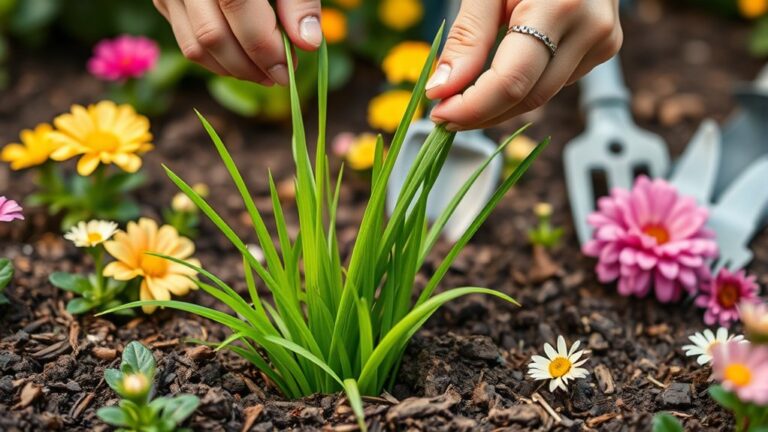
5 Essential Tips to Take Care of Perennial Plants
Keeping perennial plants healthy year after year can feel like a lot to manage, especially when each variety has different needs. You’re not alone—many gardeners struggle to figure out how much to water, when to prune, and how to keep plants thriving. These five essential tips for perennial plant care can help you get started.
To care for perennial plants, match each one to your garden’s sunlight, soil, and climate. Water deeply at the base when the top inch of soil feels dry, adjusting for rain and heat. Feed only when plants need nutrients, and follow fertilizer directions to avoid excess growth. Prune at the right time for each variety, and deadhead spent blooms. Add mulch to conserve moisture, keeping it away from stems, and divide crowded plants when they lose vigor. These steps offer a strong start, with more useful details ahead.
Key Takeaways
- Choose perennials suited to your site’s sunlight, soil drainage and pH, climate, and hardiness zone.
- Check soil moisture and water slowly at the base when the top inch feels dry; adjust for weather and rainfall.
- Test soil before feeding, and use fertilizer sparingly in spring according to plant needs and label directions.
- Prune at the right time for each plant, and deadhead spent blooms to encourage flowering.
- Mulch lightly, keeping it away from stems, and divide crowded plants after flowering to restore vigor.
Match Perennial Care to Sun, Soil, and Climate
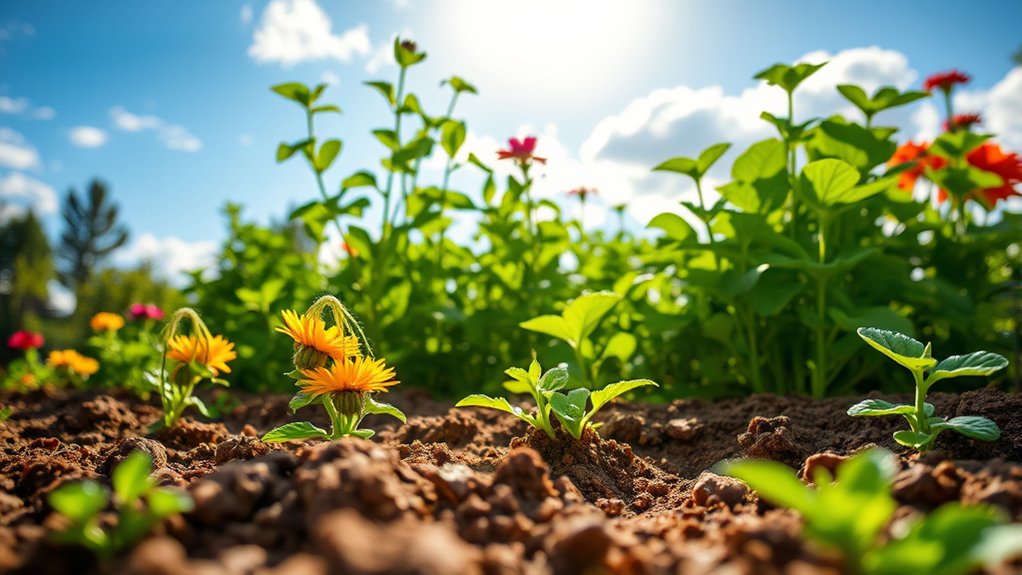
Match each perennial to the sun, soil, and climate it needs to thrive. Check plant labels and reliable local guides before choosing varieties. Note how many hours of direct light each spot receives, then select plants suited to that sun exposure.
A shade-loving perennial may scorch in afternoon sun, while a sun-loving one can grow weak and sparse in deep shade.
Assess your garden’s soil before planting. Its texture affects drainage, airflow, and root growth. Sandy soil drains quickly, while clay holds moisture and can become compacted.
Choose perennials that tolerate your existing conditions, or improve the bed with suitable organic matter. Check soil pH, too, since some plants prefer acidic or alkaline ground.
Finally, match plants to your climate and hardiness zone. Consider winter lows, summer heat, humidity, and late frosts. Select varieties that can handle your region’s extremes.
Place plants where nearby trees or structures won’t create unsuitable shade or heat. The right match helps perennials establish strong roots and return reliably year after year.
Water Perennials Deeply and Consistently

How often should you water perennials? Check the soil before reaching for the hose. When the top inch feels dry, give your plants a thorough drink.
Check the top inch of soil before watering, then give perennials a thorough drink when it feels dry.
To water deeply, apply water slowly at the base so it reaches the root zone instead of running off the surface. Deep watering encourages roots to grow downward, helping plants handle brief dry spells.
Your schedule depends on rainfall, temperature, soil, and plant needs, so don’t follow a rigid calendar. During hot, dry weather, check more often; after rain, wait and test the soil.
Consistency matters: avoid letting roots swing between very dry and waterlogged. Aim for evenly moist soil, not constant saturation.
Choose irrigation timing that limits evaporation: water in the morning, giving foliage time to dry. A soaker hose or drip line can direct water to roots with less waste.
Add mulch to support moisture retention, but keep it away from stems. Adjust your routine as conditions change, and watch for wilting or soggy soil.
Feed Perennials Without Overdoing It

Feed perennials according to their needs rather than assuming more fertilizer means more blooms. Start by checking your soil and plant labels; many established perennials thrive without regular feeding.
If growth looks weak or your soil lacks nutrients, choose a balanced fertilizer and follow its package directions. Too much can burn roots, encourage excessive leafy growth, and reduce flowering.
Pay attention to fertilizer timing. Apply nutrients in spring as new growth begins, unless your plant’s care instructions recommend another schedule.
Avoid late-season feeding that may prompt tender growth before cold weather. Don’t fertilize stressed plants until you’ve addressed the underlying problem, such as poor drainage or unsuitable light.
You can also improve soil gradually with organic amendments, such as compost, worked lightly into the surface. These enrich the soil and support its structure without delivering a sudden dose of nutrients.
Keep a simple record of what you apply and when, so you can adjust future feeding to your garden’s actual results.
Prune and Deadhead to Encourage More Blooms
Once you’ve got feeding right, regular pruning and deadheading can help many perennials produce more blooms. Check each plant’s pruning timing, since some need trimming in spring while others benefit from a cut after flowering.
Follow its growth habit and avoid removing healthy stems before you know when it sets buds. Clean, sharp shears make precise cuts and reduce damage.
Use deadheading techniques that suit the flower: snip spent blooms just above a healthy leaf or bud, or remove an entire flower stalk when its display has finished. This keeps plants from putting energy into seeds and may encourage fresh flowers.
Don’t deadhead plants whose seed heads feed birds or add winter interest, unless you prefer a tidier look.
For a quick refresh, trim leggy stems lightly rather than cutting back the whole plant. Remove diseased or damaged growth as soon as you spot it, and disinfect your tools between plants when needed.
Regular checks help you catch fading flowers before they set seed.
Mulch Perennials and Divide Them When Needed
Mulch perennials with a thin layer of compost or shredded bark to help retain moisture, suppress weeds, and protect roots from temperature swings. Keep mulch a few inches from stems to prevent rot, and refresh it each spring. You’ll get better results when you match your approach to each plant’s needs.
| Task | When | Benefit |
|---|---|---|
| Apply mulch | Spring | Holds moisture |
| Clear old growth | Early spring | Reduces disease |
| Divide crowded plants | After flowering | Restores vigor |
Watch for smaller blooms, bare centers, or overcrowding; these signs tell you to divide when needed. Most perennials benefit from division every few years, but check the ideal season for each variety.
Water plants well the day before, then lift the clump carefully with a garden fork. Separate healthy sections with roots and shoots, discard dead centers, and replant divisions promptly at their original depth.
Water thoroughly and keep the soil evenly moist while they establish. A fresh mulch layer helps protect new roots, but don’t bury crowns. With timely care, your perennials can thrive and bloom generously.
Frequently Asked Questions
When Is the Best Time to Plant Perennial Flowers?
You’ll usually get the best results by planting perennial flowers in early spring or early fall, when mild temperatures and steady moisture help roots settle before summer heat or winter cold. These are the best planting windows for most regions, though local climate and each plant’s needs matter.
Before planting, loosen the soil, remove weeds, and add compost as seasonal soil prep. Water thoroughly, and follow your nursery’s guidance for your specific flowers.
Which Perennials Are Safe for Pets?
You can choose pet safe varieties such as coneflowers, bee balm, coral bells, phlox, and asters, which are generally considered non-toxic to cats and dogs. Still, check each plant’s exact species before buying, since common names can cover different plants.
Perennial toxicity varies, and even non-toxic plants may upset your pet’s stomach if eaten. Keep new plantings out of reach, and contact your veterinarian if your pet chews a plant and develops symptoms.
How Can I Protect Perennials From Winter Frost?
Protect perennials from winter frost by watering them before the ground freezes, then applying winter mulch strategies to insulate their roots. Spread 2–4 inches of shredded leaves, straw, or bark after the soil cools, but keep mulch away from crowns to prevent rot.
For tender plants, add breathable frost cloth during severe cold and remove it when temperatures rise. Don’t prune healthy stems too early; they can shield crowns and support overwintering wildlife.
Can Perennials Grow Successfully in Containers?
Yes, can perennials grow successfully in containers? Absolutely—you can enjoy many perennial flowers, herbs, and grasses in pots. For healthy container growth, choose a variety suited to your climate, then select a pot with drainage holes and enough room for its roots. Use quality potting mix, water when the surface feels dry, and feed as needed. Place your container where the plant gets suitable sunlight, and protect it during harsh winter weather.
How Do I Prevent Pests From Damaging Perennial Plants?
Protect your perennials like a gardener guarding a treasure chest: inspect leaves and stems weekly through pest monitoring, and act when you spot damage. Remove pests by hand or spray them off with water before infestations spread.
Encourage ladybugs and other helpful insects with biological controls, avoiding broad-spectrum chemicals. Apply a mulching technique to suppress weeds and shelter roots, but keep mulch away from stems.
Follow a pruning schedule to remove damaged growth and improve airflow.
Conclusion
With the right sun, soil, and climate, your perennials can put down roots and thrive. Water deeply, feed lightly, and prune spent blooms to keep the garden growing without fuss.
Add mulch like a cozy blanket, and divide crowded plants when they need room to stretch. These small habits help your garden return season after season, like an old friend at your door.
Keep tending your perennial plants with care, and you’ll enjoy a lasting chorus of color.