How to Create an English Garden in 5 Simple Steps
Creating a beautiful English garden can feel overwhelming when you’re unsure which plants to choose or how to bring everything together. You’re not alone—many gardeners struggle to balance color, structure, and comfort. These five simple steps can help you create an English garden that feels welcoming and suits your space.
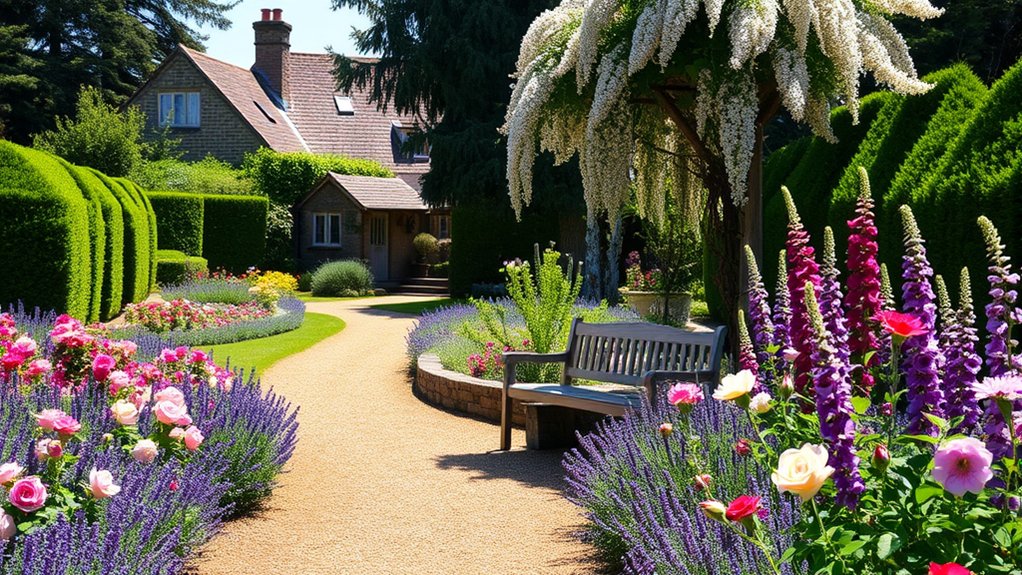
Create an English garden in five simple steps. First, track sunlight and test your soil, then choose plants that suit those conditions. Second, connect entrances and seating with comfortable paths, using curves for a relaxed look or straight lines for formality. Third, select climate-appropriate flowers with staggered bloom times. Fourth, add roses, clematis, and shrubs for height, giving climbers sturdy supports. Finally, place durable seating and a few personal details. A closer look at each step can help your garden flourish.
Key Takeaways
- Assess sunlight, soil type, drainage, and climate before choosing plants suited to your garden’s conditions.
- Plan paths and borders to connect entrances and seating areas, using practical, attractive materials.
- Choose flowers with compatible light and water needs to provide blooms from spring through fall.
- Add height and structure with climbing roses, clematis, and shrubs, leaving room for mature growth.
- Finish with durable seating and a few coordinated details, such as a birdbath, lantern, or weathered pot.
Start Your English Garden With Sun and Soil
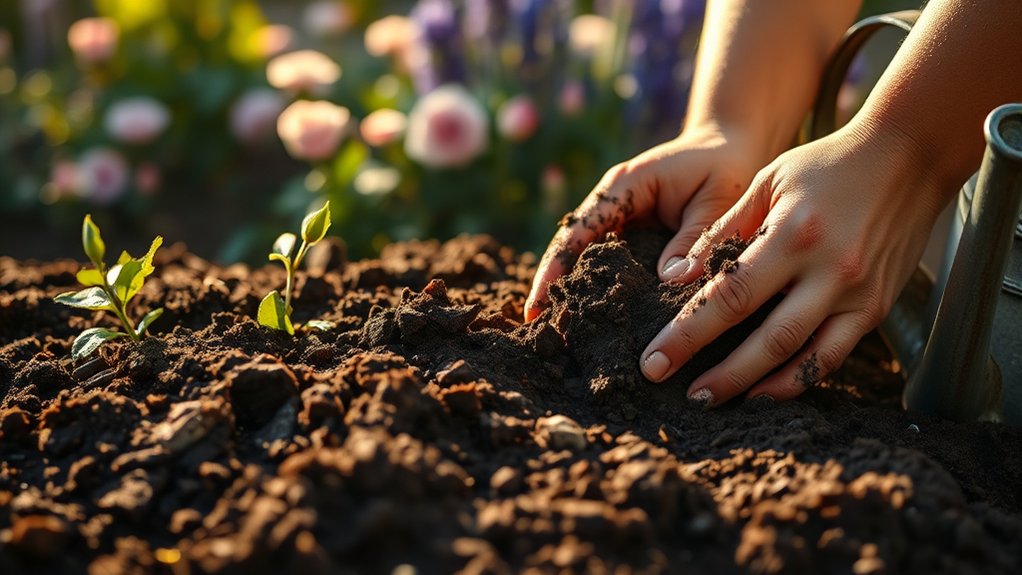
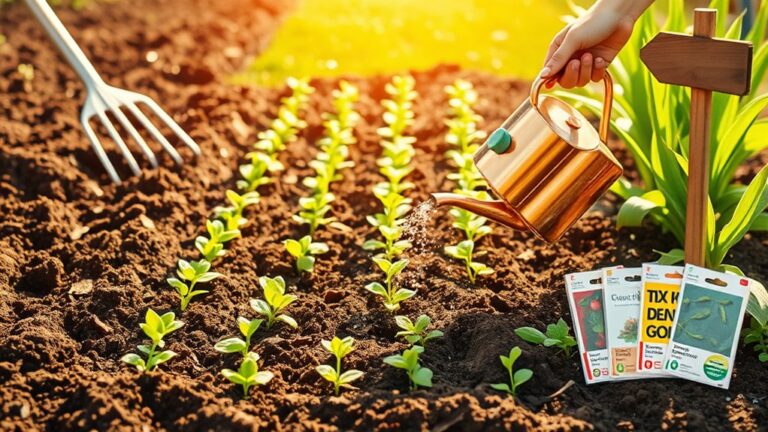
Before you choose plants, check how much sun your garden gets and what kind of soil you have. Track sun exposure throughout the day, noting which areas receive full sun, partial shade, or deep shade. Match plants to those conditions instead of expecting them to thrive everywhere. Roses and lavender prefer sunny spots, while foxgloves and hostas tolerate more shade.
Next, learn your soil types. Dig a small sample and check whether it’s sandy, clay-heavy, or loamy. Improve drainage in heavy clay with compost, and add organic matter to sandy soil to help it retain moisture. A simple soil test can also reveal pH, helping you choose plants that suit your garden.
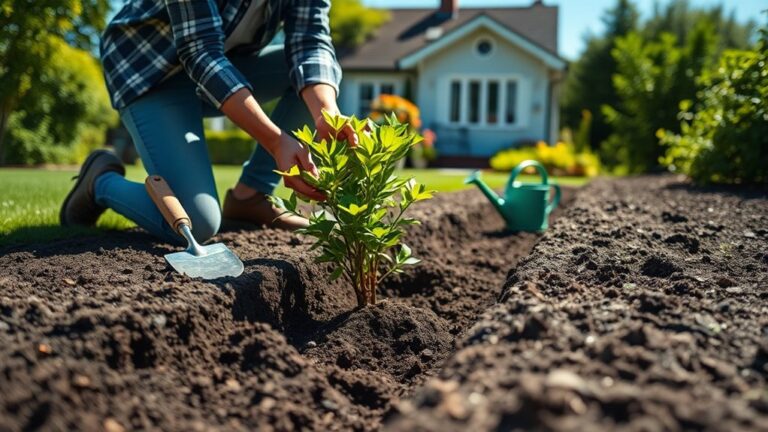
If you’re growing climbing roses or clematis, plan for climber care: provide sturdy support and water regularly while plants establish. Follow pruning basics for each variety, since cutting at the wrong time can reduce flowering. With sunlight and soil understood, you’ll give your plants a strong start.
Shape Your English Garden With Paths and Borders
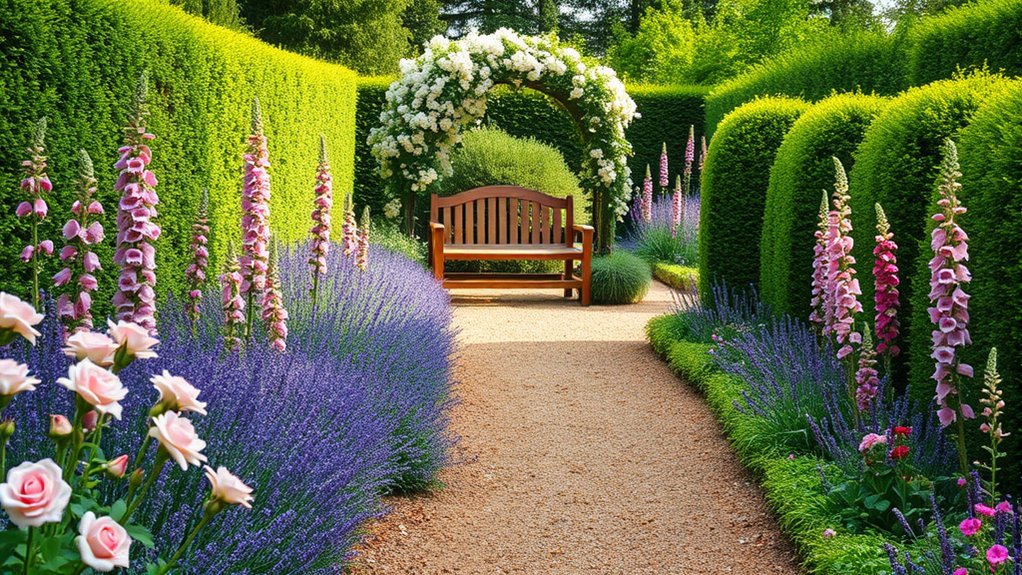
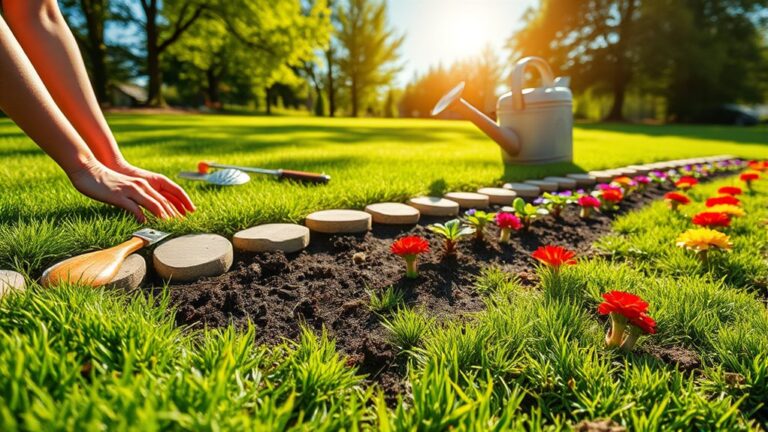
Paths and borders give your English garden structure while guiding the eye between planting areas. Plan a path design that connects entrances, seating spots, and garden features without cutting through beds.
Curving routes create a relaxed feel, while straight paths suit a more formal layout. Choose a surface that fits your budget and garden style, such as gravel, brick, or stepping stones. Keep paths wide enough for comfortable walking and easy maintenance.
Use borders to define the route and give each area a clear edge. Repeat shapes or materials to create a cohesive look, and leave room to reach plants for pruning. Consider these practical choices:
| Feature | Option | Benefit |
|---|---|---|
| Path shape | Curved | Softens the layout |
| Path shape | Straight | Creates formality |
| Edge | Brick | Holds a crisp line |
| Edge | Stone | Adds natural texture |
Plan border planting around mature size, spacing, and access, so the edges stay orderly without crowding paths.
Choose Flowers That Suit Your Garden
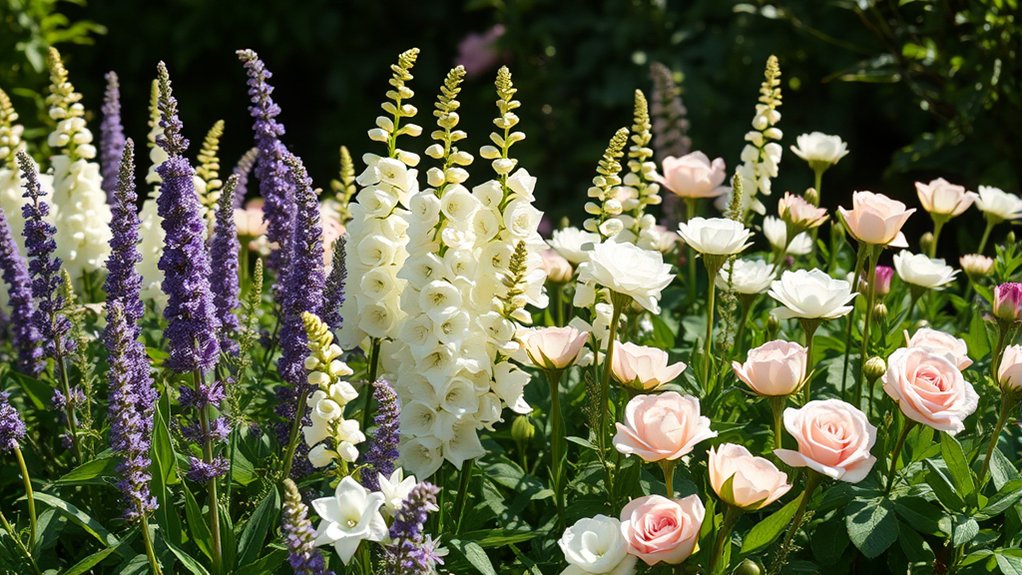
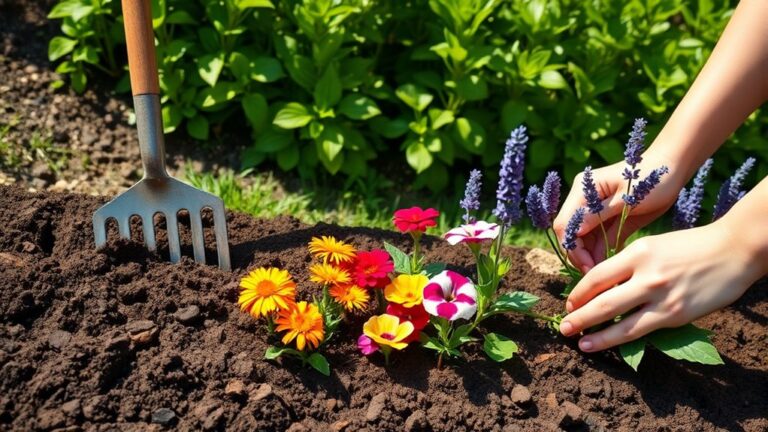
Choose flowers that suit your garden’s light, soil, and climate to help them thrive with less effort. Before you buy, watch how sunlight moves across your borders. Note which spots get full sun, partial shade, or deep shade, then match plants to those conditions.
Match flowers to your garden’s sunlight, soil, and climate for healthier blooms with less effort.
Check your soil’s texture and drainage, too. If it’s heavy or sandy, choose flowers that tolerate it, or improve the soil with compost.
For successful flower selection, consider your local climate and each plant’s hardiness. Choose varieties that can handle your winters and summer heat, and group flowers with similar water needs to simplify care.
Think about bloom compatibility as you plan: combine plants that flower at different times so your borders stay colorful from spring through fall. Repeat a few colors or flower shapes to create a cohesive look without making the planting feel too uniform.
Read plant labels carefully, and leave enough room for each flower to reach its mature width. That way, your garden will look balanced and healthy.
Add Height With Roses, Shrubs, and Climbers
Add height with roses, shrubs, and climbers to give your garden depth and draw the eye upward. Choose a climbing rose for a sunny wall or sturdy trellis, and guide its stems as they grow. For a softer look, let clematis weave through the rose branches, selecting varieties with compatible light and pruning needs.
Use shrubs to anchor borders and create height balance. Place taller varieties toward the back or at intervals along a bed, then layer shorter plants in front. Evergreen shrubs provide structure through winter, while flowering types add seasonal color and attract pollinators. Check each plant’s mature size before planting so it won’t crowd nearby flowers or block light.
Think about scent layering, too. Combine fragrant roses with scented climbers, such as honeysuckle, and position them where you’ll notice their perfume as you move through the garden. Mix bloom times to keep color, fragrance, and vertical interest going across the seasons.
Finish With Seating and Charming Details
A well-placed seat turns your garden into a place to pause and enjoy the view. Choose a bench beneath a rose-covered arch, a chair beside a border, or a small bistro set on a sunny patio.
Think about Study and durability: check each piece’s materials, finish, and care needs before buying. Weather-resistant wood, metal, or stone can handle changing seasons.
| Seat | Best location | Charming detail |
|---|---|---|
| Wooden bench | Under a tree | Striped cushion |
| Metal chair | Beside flowers | Painted finish |
| Bistro set | Sunny patio | Ceramic pot |
Add personal touches, but leave room for plants to shine. A birdbath, lantern, or weathered pot can lend character without making the space feel crowded.
Match colors and textures to your planting scheme for a collected, welcoming look. Consider Budget and timing: start with one useful seat, then add accessories as funds allow.
Place everything where you can enjoy fragrance, shade, and a clear view of your garden’s changing blooms.
Frequently Asked Questions
Can I Create an English Garden in a Small Space?
Yes, you can create an English garden in a small space by using small space planning and compact plant palettes. Choose a few classic flowers, such as roses, lavender, and foxgloves, and arrange them in layered heights.
Add a narrow path, a container, or a climbing plant to create charm without crowding. You don’t need a lawn; a bench or focal point can make your garden feel inviting.
How Much Time Does an English Garden Take to Maintain?
Your time commitment depends on your garden’s size, plant choices, and desired neatness. Expect to spend about one to three hours weekly during the growing season on maintenance tasks like watering, weeding, deadheading, and pruning.
You’ll likely need less time in winter, though occasional cleanup still helps. Choose hardy plants, mulch beds, and group plants with similar needs to reduce upkeep. A small English garden can stay charming without demanding hours every day.
Is an English Garden Suitable for Beginner Gardeners?
Yes, an English garden can suit you as a beginner, especially if you start small and choose hardy plants. A beginner friendly design with simple borders, a few roses, and easy-care perennials helps you build confidence without taking on too much.
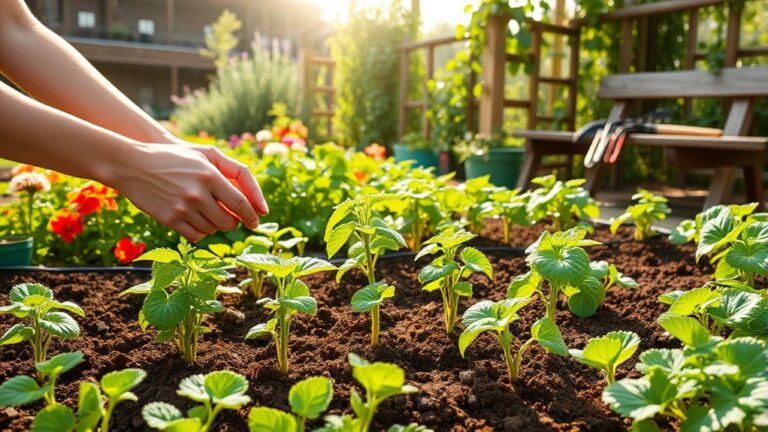
Learn soil preparation basics by clearing weeds, loosening the ground, and adding compost before planting. You can expand your garden as you gain experience and discover which plants thrive in your conditions.
Can I Create an English Garden on a Budget?
Yes, you can create an English garden on a budget by starting small and choosing affordable, easy-care plants. Look for budget friendly ideas like growing flowers from seed, swapping cuttings with neighbors, and reusing containers or salvaged materials.
For small space adaptations, plant climbers on a simple trellis, group pots together, or use vertical planters. Add features gradually, and you’ll build a charming garden without overspending. Prioritize a few classic blooms, such as roses, foxgloves, or daisies.
How Can I Make My English Garden Wildlife-Friendly?
You can turn your English garden into a lively refuge by offering wildlife food, water, and shelter. Choose wildlife friendly planting, including native flowers, herbs, and shrubs that bloom across the seasons, so bees and butterflies find a steady buffet. Build pollinator habitats with hollow stems, leaf piles, and a small patch of bare soil. Add a shallow water dish, avoid pesticides, and let a corner grow a little wild.
Conclusion
Your English garden doesn’t need to be perfect to feel enchanting. Start with healthy soil and sunny spots, then shape inviting paths, layered borders, and flowers that thrive in your space. Add roses, shrubs, and climbers for height, and finish with a seat where you can pause and enjoy the view.
With each thoughtful choice, you’ll create an English garden that feels like a warm welcome home, a peaceful retreat that grows more beautiful with every season.