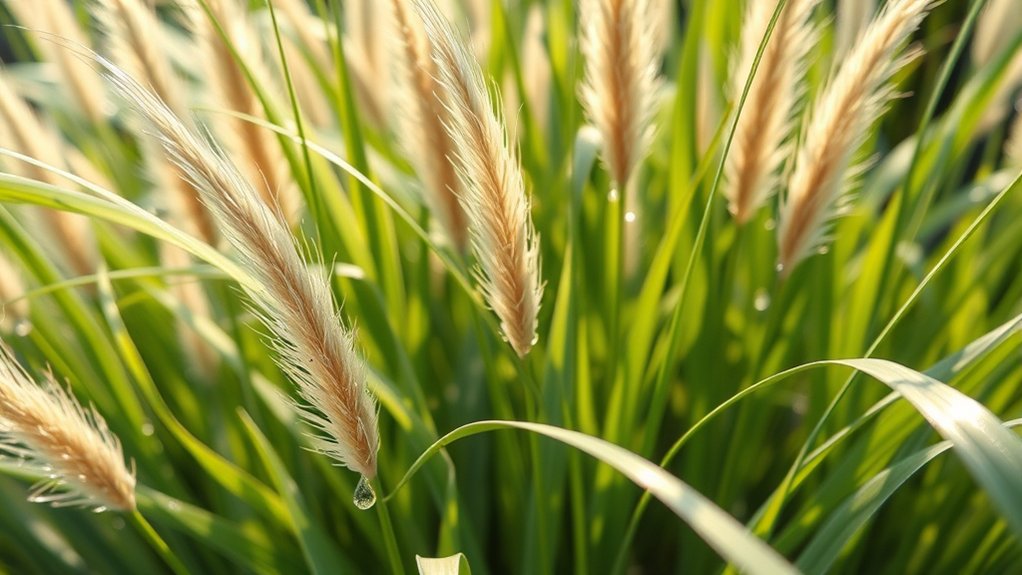
10 Essential Tips for Decorative Grass Care
Keeping decorative grasses healthy can feel harder than it looks, especially when you’re unsure how much to water, when to prune, or which varieties suit your garden. You’re not alone—many people struggle to keep ornamental grasses thriving through every season. These essential tips for decorative grass care can help you choose the right plants and give them the care they need.
Choose ornamental grasses suited to your climate, sunlight, soil, and available space. Prepare well-drained, weed-free soil, and plant in spring or early fall. Water new grasses deeply, then water established plants during prolonged dry spells.
Add a loose, even mulch layer, keeping it two inches from crowns. Divide crowded clumps, prune at the right time, and protect plants through winter.
Watch for pests, disease, and signs of stress. These practical tips will help you keep grasses thriving throughout the seasons.
Key Takeaways
- Choose grasses suited to your climate, soil, sunlight, drainage, and available space at maturity.
- Prepare the planting area by removing weeds and debris, testing soil conditions, and amending only when needed.
- Plant in spring or early fall, then water deeply and keep new grasses watered during their first growing season.
- Apply a loose, even 2–3-inch mulch layer, keeping it about two inches away from each grass crown.
- Divide overgrown clumps in spring or early fall, and fertilize only when soil tests or poor growth indicate a need.
Choose Ornamental Grasses for Your Climate and Garden

Start by matching ornamental grasses to your climate, soil, and sunlight. Choosing climate appropriate grasses helps you avoid varieties that struggle through your winters or summer heat. Check each plant’s hardiness range, mature size, and moisture needs before you buy. A grass suited to your region will usually need less attention and offer more reliable growth.
Evaluating garden microclimates can help you refine your choices. Notice where your yard stays sunny, shaded, windy, or sheltered, and consider how quickly each spot dries after rain. A warm wall may support a grass that wouldn’t thrive in an exposed corner, while a low area may suit a variety that tolerates damp conditions.
Match the plant’s light preferences to the hours of sun its location receives. Also consider how much space it’ll occupy at maturity, so it won’t crowd paths, windows, or nearby plants. Choose grasses whose colors, textures, and seasonal changes fit the look you want, and verify that they’re appropriate for your local growing conditions.
Prepare the Soil Before Planting Ornamental Grasses

Before planting ornamental grasses, check how well your soil drains to make sure water won’t pool around the roots. Then clear away weeds and debris so your grasses won’t have to compete for space and nutrients. Finally, amend the soil as needed to create the right growing conditions.
Test Soil Drainage
How quickly water drains from your soil can determine whether ornamental grasses thrive or struggle. Before planting, test drainage to learn whether water moves through the bed at a suitable pace. Dig a hole about 12 inches deep and wide, fill it with water, and let it drain completely.
Refill the hole, then check the water level after an hour. If it drops less than an inch, drainage may be poor; if it disappears quickly, the soil may dry out too fast.
Consider soil texture alongside this test. Dense clay often holds excess moisture, while sandy soil drains rapidly. You can improve conditions by mixing in compost or other suitable organic matter, then retesting.
Choose grasses suited to your site’s moisture levels, or adjust the planting area to support healthy roots and steady growth.
Remove Weeds and Debris
Once you’ve checked drainage, clear the planting area of weeds, roots, rocks, and other debris. Thorough debris removal gives ornamental grass roots room to establish and makes planting easier.
Pull weeds by hand or use a hoe, removing as much of each root as possible to limit regrowth. Don’t leave pulled weeds or seed heads on the soil; they can spread seeds back into the bed.
- Remove perennial weeds before they take hold.
- Collect stones, sticks, and broken plant material.
- Check for hidden roots that may resprout.
- Bag seed-bearing weeds rather than composting them.
- Rake the surface to spot anything you missed.
Consistent weed control now reduces competition for water and space as your grasses grow. Keep the cleared area tidy until planting, and avoid disturbing nearby plants while you work.
Amend Soil as Needed
With the area cleared, check the soil before planting ornamental grasses. Test its pH and drainage, and note whether it’s sandy, compacted, or rich in organic matter.
These grasses often thrive in average soil, so don’t add fertilizer automatically. Choose a soil amendment only when test results or poor structure show you need one.
Mix compost into depleted soil to improve texture and moisture retention, or loosen compacted ground to help roots establish. If drainage is poor, consider a raised bed rather than adding excessive organic material.
Follow test recommendations for lime or other amendments, and blend them evenly into the planting area. Pay attention to nutrient timing: amend before planting so changes can settle, and avoid strong fertilizer that may encourage weak, excessive growth. Recheck conditions as your grasses mature.
Plant Grasses in the Right Season and Location

Plant ornamental grasses in spring or early fall, when mild temperatures give their roots time to establish. Choose the season that best suits your climate and the type of grass you’re planting. Then, pick a spot that offers the right amount of sunlight, soil moisture, and room to grow.
Choose the Right Season
When should you plant ornamental grasses? For most varieties, spring is the safest choice. You’ll give roots time to establish before summer heat or winter cold arrives. Plant after your area’s last hard frost, when the soil has begun to warm.
You can also plant in early fall if you have several weeks before the ground freezes. This timing lets roots settle while temperatures stay mild, though late planting may leave young grasses vulnerable to winter damage.
- Check your local frost dates before choosing a planting day.
- Water new plants regularly during their first growing season.
- Avoid planting in frozen or waterlogged soil.
- Choose spring planting for tender or slow-growing varieties.
- Consider fall planting when you want established roots before next year’s seasonal color; mature grasses often offer better drought tolerance.
Match Grass to Location
After choosing the right season, match each ornamental grass to a spot that suits its needs. Check the plant’s label for its preferred sunlight, soil, moisture, and mature size. Place sun-loving varieties where they’ll receive several hours of direct light; choose shade-tolerant types for dimmer areas. If your soil drains poorly, select grasses that handle wet conditions or improve drainage before planting.
Consider location aesthetics as well as growing needs. Use tall grasses to add privacy or structure, and position compact varieties along paths or in containers. Leave enough room for mature clumps so they won’t crowd nearby plants or block walkways.
Group grasses with similar care requirements to simplify watering and maintenance. Your season compatibility matters, too: protect new plantings from harsh weather and give roots time to establish before temperatures become extreme. Check conditions regularly and adjust care as needed.
Water New and Established Grasses Correctly
Watering ornamental grasses correctly helps new plants establish strong roots while keeping mature clumps healthy. After planting, water deeply to settle soil around the roots. During the first growing season, check moisture regularly and water when the top inch feels dry.
Your local climate, soil, and grass variety affect water requirements, so adjust frequency rather than following a rigid schedule.
For established grasses, rely on rainfall when it meets their needs; water during prolonged dry spells, especially in heat. Use seasonal timing to guide care: newly planted grasses need consistent moisture in active growth, while many mature varieties need less water once dormant.
- Water at the base to reach roots and keep foliage drier.
- Apply water slowly so it penetrates instead of running off.
- Check soil before watering; don’t let roots sit in soggy ground.
- Give new plants extra attention during hot, windy weather.
- Reduce watering as growth slows, but don’t let new roots dry out.
Mulch Grasses to Help Retain Soil Moisture
Choose a mulch that suits your ornamental grasses and helps the soil retain moisture. Spread it evenly around each plant, keeping it clear of the crowns to prevent rot.
Choose the Right Mulch
The right mulch helps ornamental grasses retain soil moisture while suppressing weeds. Choose a material that suits your climate, soil, and garden style. Organic options gradually enrich the ground, while mineral mulches last longer and won’t decompose. Consider how each choice affects soil compaction, drainage, and watering frequency before you buy.
- Shredded bark breaks down slowly and adds organic matter.
- Compost improves soil structure but needs periodic replenishment.
- Straw offers light coverage and decomposes relatively quickly.
- Pine needles suit acidic soils and allow water through.
- Gravel provides durable coverage but can heat nearby roots.
Match mulch to your grasses’ needs and local conditions. In wet climates, favor materials that drain well; in dry areas, choose options that help conserve moisture. Check whether the mulch’s texture and weight suit your garden and maintenance preferences. Avoid materials that could introduce weed seeds or unwanted chemicals.
Apply an Even Layer
How thick should your mulch layer be? Aim for about two to three inches across the soil around your ornamental grasses. This depth helps slow evaporation, so your plants can access moisture between waterings without leaving the ground bare.
Spread mulch in a consistent layer, using your hands or a rake to smooth out high and low spots. An even cover helps soil hold moisture more reliably and reduces temperature swings that can stress roots.
Check the surface after heavy rain or wind, then redistribute mulch where it has shifted or thinned. Keep the layer loose rather than packing it down; compacted material can limit water and air movement through the soil.
With steady coverage, you’ll support Root health and encourage Even growth throughout the growing season. Replenish the layer as it breaks down.
Keep Mulch Away From Crowns
Leave a small gap between the mulch and each grass crown, where the stems meet the roots. This space helps air circulate and keeps damp material from encouraging rot or fungal disease. Spread mulch evenly around your grasses, but don’t pile it against their bases.
- Keep mulch about two inches from each crown.
- Use a light layer to retain soil moisture without smothering roots.
- Check after rain, since mulch can shift toward the stems.
- Pull back wet, compacted material to improve airflow.
- Remove weeds by hand so you don’t disturb shallow roots.
As you tidy the bed, avoid confusing crown care with reed stripping or seedhead removal; those tasks involve the foliage, not the mulch ring. Refresh mulch when it thins, maintaining the gap each time. This simple habit protects crowns while helping soil stay moist between waterings.
Feed Grasses Only When Soil or Growth Calls for It
Before reaching for fertilizer, check whether your ornamental grasses actually need it. Many established varieties thrive in average soil and need little feeding. If you apply too much nitrogen, you may encourage floppy growth, weaken stems, or reduce flowering. Let the plant’s performance and a soil test guide your choice.
When growth looks unusually weak, first consider common causes such as drought, poor drainage, or too much shade. A soil test can reveal whether nutrients are lacking, so don’t guess or add fertilizer by habit. If the soil calls for nutrients, choose a balanced, slow-release product and follow its label. Apply it in spring as new growth begins, keeping granules away from foliage and crowns. Water lightly afterward if the label recommends it.
You don’t need to feed grasses on a fixed schedule. Watch how yours grow, and fertilize only when evidence points to a nutrient need. This measured approach supports healthy growth without pushing excessive foliage or wasting fertilizer.
Divide Overgrown Grasses to Restore Vigor
When ornamental grasses grow crowded, develop a bare center, or lose vigor, dividing them can renew growth and give you healthy plants to replant elsewhere. Choose a cool, mild day in spring or early fall, when the soil’s workable and plants can recover without heat stress.
Water the clump beforehand, then lift it carefully with a spade or garden fork.
Use these dividing techniques to make the job manageable:
- Cut around the clump’s edge, keeping the root ball intact.
- Split it into sections with a sharp spade, knife, or two forks.
- Keep divisions healthy, with firm roots and several growing points.
- Discard dead, weak, or woody centers rather than replanting them.
- Set divisions at their original depth, then water thoroughly.
Replant promptly, spacing sections according to the grass’s mature spread. Keep the soil evenly moist while roots establish, but don’t leave it soggy.
These rejuvenation practices restore space and vitality, helping your grasses fill out again. Share extra divisions with neighbors or use them to extend a border.
Prune Grasses at the Right Time of Year
Prune ornamental grasses in late winter or early spring, just before new growth begins. This seasonal timing lets you remove old stems without cutting into fresh shoots. For deciduous varieties, gather the leaves, then trim them several inches above the ground. Wear gloves, and use sharp shears to make clean cuts. If your grass stays green through winter, remove only damaged or untidy blades, rather than cutting the whole plant back.
| Grass type | What you’ll see | Pruning approach |
|---|---|---|
| Deciduous | Tan, dry blades | Cut back before shoots emerge |
| Evergreen | Green, living leaves | Comb out dead blades |
| Tall clumps | Dense, upright stems | Tie together before trimming |
Don’t prune grasses too early in autumn; standing foliage adds texture to your garden and helps mark the plant’s shape. Check the clump as spring approaches, and adjust your cut to its size and growth habit. If new shoots already appear, trim carefully around them to avoid damage.
Protect Ornamental Grasses Through Winter
How can you protect ornamental grasses through winter? Start with the needs of each variety: hardy grasses often need little help, while tender types benefit from careful winter protection. Leave healthy foliage standing until spring; it catches snow, insulates crowns, and adds structure to your garden. Tie tall clumps loosely with twine to reduce wind damage without crushing stems.
- Add a few inches of mulch around the base after the ground cools, keeping it clear of the crown.
- Move container-grown grasses beside a sheltered wall or into an unheated garage.
- Wrap pots with burlap or insulating material to protect roots from repeated freezing and thawing.
- Choose a spot with wind shelter, such as near a fence, while ensuring good drainage.
- Water containers lightly before the soil freezes, then avoid leaving them waterlogged.
Don’t cut grasses back in autumn unless their foliage creates a specific safety concern. In spring, remove winter-damaged growth before new shoots emerge.
Spot Common Pests, Diseases, and Care Problems
Most ornamental grasses resist pests and disease, but poor drainage, overcrowding, or excess moisture can cause trouble. Check your plants regularly so you can spot pests before they spread. Look for aphids, spider mites, and scale insects on leaves and stems. Rinse small infestations with water or use insecticidal soap according to its label.
To diagnose diseases, inspect discolored foliage, soft stems, or unusual spots. Rust may leave orange or brown marks, while fungal problems often thrive in damp, crowded conditions. Remove affected growth, improve airflow, and avoid wetting leaves when you water. If symptoms persist, consult a local extension service for accurate identification.
Also watch for care problems that mimic disease. Brown tips can signal drought, excess fertilizer, or winter damage; yellowing may point to waterlogged soil. Check moisture before watering, and make sure containers drain freely. Divide crowded clumps when growth weakens, and trim dead foliage with clean tools. With steady observation, you’ll catch problems early and keep your grasses vigorous.
Frequently Asked Questions
Can Ornamental Grasses Be Grown Successfully in Containers?
Yes, you can grow ornamental grasses successfully with container gardening. Choose a pot with drainage holes and enough room for the grass’s mature roots, then use well-draining potting mix and water when the soil begins to dry.
Match the plant to your light and climate, and divide it when crowded. Check pet safety and child safety, consider invasiveness and spread habits, and use taller varieties for privacy screening or cut stems for floral arrangements and dried arrangements.
Which Ornamental Grasses Are Safe for Pets and Children?
You can choose pet safe varieties and child friendly grasses such as blue fescue, fountain grass, and Japanese forest grass. These ornamental grasses aren’t considered toxic to pets or children, but sharp blades can still scratch skin or irritate mouths.
Keep plants out of play areas, supervise curious pets and kids, and check each plant’s label before buying. If someone eats a plant or develops symptoms, contact a medical professional or veterinarian.
How Can I Use Ornamental Grasses to Create Privacy?
Use tall, dense ornamental grasses to create a living screen along patios, fences, or property lines. For flexible privacy screen ideas, plant clumping varieties in staggered rows or group large pots where you need cover.
Choose container friendly grasses if you want to screen a balcony or move plants seasonally. Check each variety’s mature height and spread, then space plants for airflow while allowing their foliage to fill in and soften your view.
Do Ornamental Grasses Spread Aggressively or Become Invasive?
Does ornamental grass spread aggressively? Some do, but many stay in tidy clumps. A striking statistic: one running bamboo species can grow up to 3 feet in a day, though most ornamental grasses spread far more slowly.
Your invasion risk depends on the species and climate. Check local guidance before planting, then use maintenance strategies such as cutting seed heads and dividing clumps. For runners, choose containment methods like deep barriers or containers to limit spread.
Can Ornamental Grasses Be Used in Fresh or Dried Flower Arrangements?
Yes, you can use ornamental grasses in both fresh arrangements and dried designs. For fresh arrangements, cut stems when their plumes look full but haven’t shed, then place them in water with your flowers.
For dried grasses, harvest stems before they become brittle, bundle them, and hang them upside down in a dry, airy spot. Their texture and movement add height, softness, and visual interest to many styles of arrangement use.
Conclusion
Care for ornamental grasses by choosing varieties suited to your climate, preparing the soil, and planting them in the right place. Water wisely, mulch thoughtfully, and divide crowded clumps when growth slows.
Prune at the proper time, protect plants through winter, and watch for pests or disease. When you match each task to the season, you’ll help your grasses stay healthy, graceful, and resilient.
With these 10 essential tips for decorative grass care, you can bring movement, texture, and beauty to your garden year after year.